


Can you reverse gum disease? Gum disease, or periodontal disease, is a widespread ailment associated with the gums and may progress to tooth loss in case of lack of proper treatment. A lot of patients, particularly those with early-stage disease, inquire if the reversal of gum disease is possible.
Although in most cases, the destruction caused by gum disease is not fully reversible, the development of the disease can be halted and even healthy gums restored with prompt treatment. This blog aims to provide information about different stages of gum disease, ways to control and treat it and the most valuable part – can you reverse gum disease?
What Is Gum Disease and How Does It Develop?
If detected on time, is it possible to reverse gum disease? Periodontal disease progress begins with gingivitis, a mild form of gum disease when the gums become inflamed, redden, and bleed during the brushing. The question ‘’Can you reverse gum disease’’ is mostly understandable in the early stage of the disease, as is the case with gingivitis. Untreated gingivitis bores down into periodontitis, the late stage of gum disease, in which the deeper tissues and bones around the teeth are involved.
The major root from which gum disease is leading to the development is plaque buildup on the teeth, as well as the gums. Plaque is a bacteria film that sticks to the teeth, and if it is allowed to calcify, a situation called tartar will happen, being a unique substance that only a dentist or a dental hygienist can remove.
As tartar keeps accumulating the bacterial number also increases which is the reason for both inflammation and infection of the gums. At this stage the signs of gum disease appeared in the form of symptoms.
Can You Reverse Gum Disease in the Early Stages?
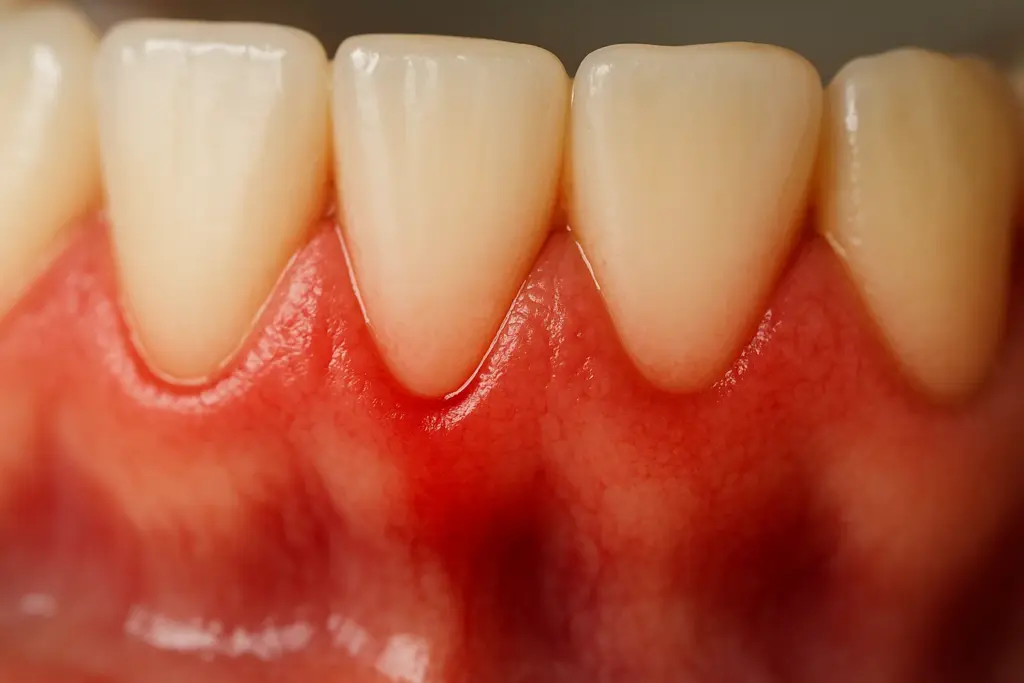
Can you reverse gum disease in its early stages, i.e. gingivitis? Gum disease can be reversed if the condition is gingivitis and is treated adequately. The issue of “Can you reverse gum disease if caught early?” is at its peak when along with the early professional intervention, good oral hygiene is also maintained.
Regular brushing, flossing, and professional cleanings are a must to eliminate plaque and tartar, which are the primary culprits in gum disease.
At the initial stage of gingivitis, the swelling can be controlled, and the gums may return their usual state. It is important that you are checked and cleaned by your dentist; also, ensure that you take care of your oral hygiene at home. The key to detecting gum disease at the early stages is to be able to reverse the situation and stop the illness from progressing to periodontitis.
Can You Reverse Gum Disease in the Advanced Stages?
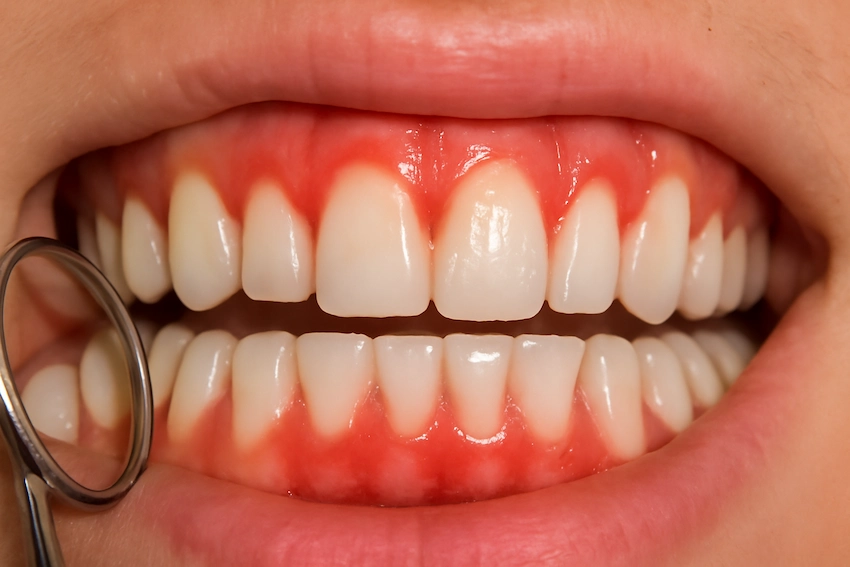
Can you reverse gum disease? As the progression of gum disease advances into periodontitis, things become more challenging. The question is whether gum disease can be reversed at this stage. It is a shame that when gum disease gets to this level, it is only managed that can be done, not total reversal. At the same time, treatment is the one that is able to stop the development and keep the disease from going further.
The treatment of severe gum disease is usually done by professional deep cleanings (scaling and root planing) along with the use of antibiotics and sometimes also procedures to surgically correct the damage.
If the wondering, “is it possible to reverse gum disease in the advanced stages?” is still lingering in your mind, be informed that the objective then is to stop the disease from getting worse and Oral health care is maintained.
How to Prevent Gum Disease and Keep Your Gums Healthy?
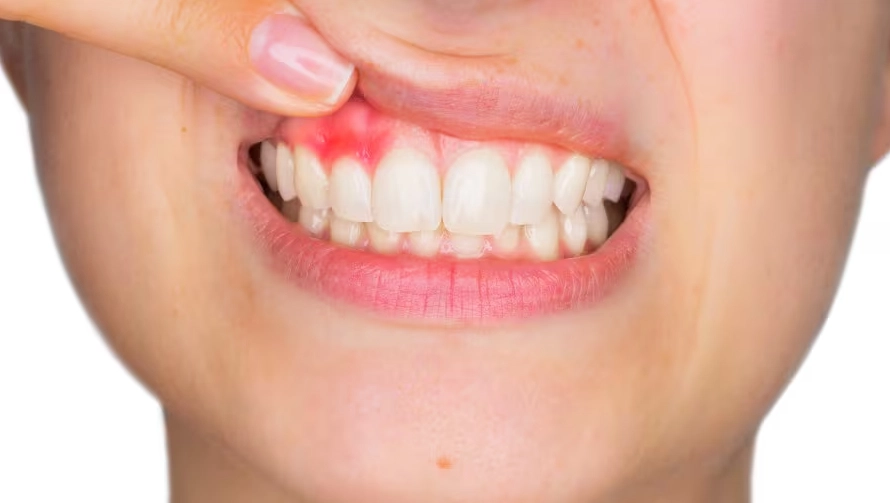
Would gum disease be reversed only by just preventing it all the time? Prevention is the best method to keep your gums in good shape. The steps below will work for you to avoid gum disease:
- Brush and Floss Regularly: A combination of brushing twice a day and flossing once a day is most efficient in removing plaque and preventing gum disease as well.
- Use Antibacterial Mouthwash: The mouth rinse kills bacteria which are the main cause for plaque and gingivitis; therefore, the mouth rinse helps to prevent them.
- Visit Your Dentist Regularly: Regular professional cleaning is the best way to eliminate both plaque and tartar which are difficult to remove even with brushing and flossing.
- Eat a Healthy Diet: Eating glittering food full of vitamins and minerals can be of great help to the teeth. Vitamin C, again, is the most essential point in oral health.
- Quit Smoking: Smoke is the main cause leading to gum diseases among several others; hence, quitting smoking will surely be a positive matter for gum health.
Is it possible to reverse gum disease? You will not only stay away from gum disease by doing these things, but you will also guard against future gum problems.
Treatment Options for Gum Disease
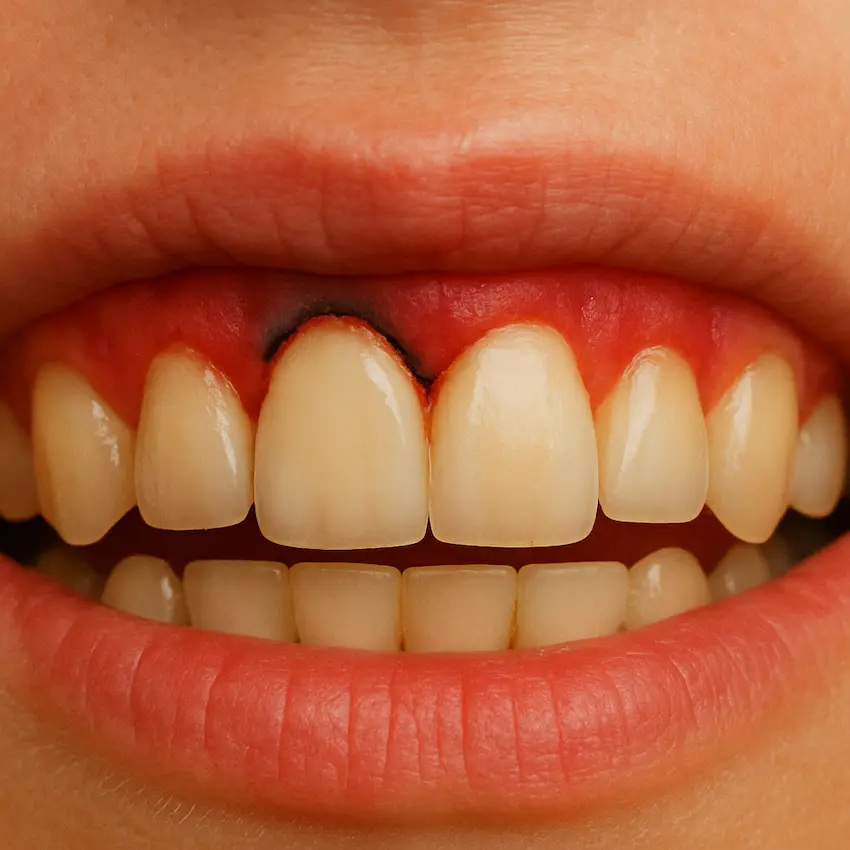
Then, can you reverse gum disease once it has gone too far? In the case of the first stage, yes, with sufficient treatment. Here are the main options for treatment available:
- Scaling and Root Planing: This is a method of cleaning thoroughly which removes the tartar and plaque from under the gum line and also makes the tooth roots a part of the process soft. It is a removal of the bacteria, and thus, healing is made easier.
- Medications: Dentists might recommend the use of certain antibiotics both on the infected site and some to be taken orally so that the infection can be eliminated.
- Surgical Treatment: In the case of a serious situation, surgery can be the means through which the damaged gum tissue is treated or the infected areas removed.
By being diagnosed with the disease in time and maintaining a proper oral hygiene routine, you can reduce the risk of deep treatment and keep your gums healthy.
FAQs About Can You Reverse Gum Disease
Gingivitis (the initial phase of gum disease) is, indeed, recoverable when the patient takes good oral care such as regular brushing, flossing, and professional cleanings.
Yes, it is entirely possible to regain one’s gum health after the detection of gum disease at an early stage and proper treatment.
It is still possible to live with gum disease; however, it is not suggested as an unneglected gum infection can implicate the loss of teeth and give rise to other health issues.
Repairing gum health means better oral care with regular brushing and flossing, application of an antimicrobial mouth rinse, as well as checking by a dentist for professional cleanings. More serious cases may require deep cleaning and root planing, or surgical intervention.
Gum disease will definitely be irreversible when it gets to an advanced stage called periodontitis, the stage at which there is a bone loss.
References:
American Dental Association. (2021). Gum disease: What you need to know. Retrieved from https://www.ada.org/resources
Mayo Clinic. (2022). Gum disease (periodontitis) treatment and prevention. Retrieved from https://www.mayoclinic.org
WebMD. (2021). Gum disease: Symptoms, causes, and treatment. Retrieved fromhttps://www.webmd.com/oral-health
Colgate. (2022). How to prevent gum disease.

