


Zinc adhesive overuse can rarely cause poisoning.
Are you really in the habit of smearing a sticky paste to keep your teeth in place as part of your regular morning ritual? It’s possible that you don’t even realize it, but this common practice could be damaging your nerves. For the majority of people who use dentures, putting on denture adhesive is like adding another side dish to their meal of life.
Actually, the majority of consumers don’t care about verifying the ingredients of the product they are eating. Nevertheless, if one were to examine the details, one would find a mineral that is so familiar to most of us that we hardly notice it: zinc. Of course, zinc helps to bolster the immune system, and it is necessary for overall well-being. But if you take zinc in very large doses for a long time,e it can be very harmful to your health.
The Zinc and Copper Interplay and Your Body
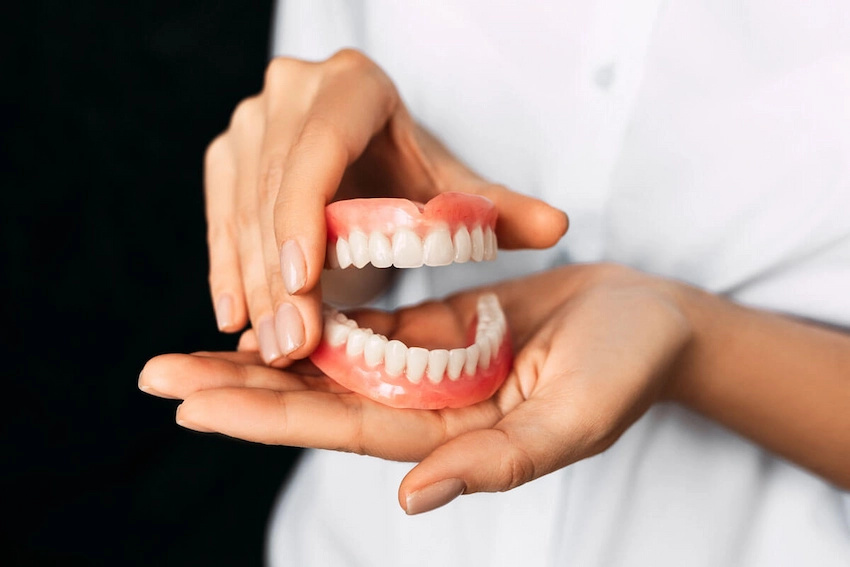
If you want to figure out how the dental paste at the root of this story can cause nerve damage, you are going to have to understand the mineral activities in the stomach. In essence, the interaction between copper and zinc can be compared to that of a seesaw in the playground. Overload one side of the seesaw with zi,nc, and the copper level on the other side will literally go down to the ground.
It is copper that your nervous system requires so desperately. To keep your nerves healthy and well-functioning, it relies heavily on copper. You can think of the insulating effect as a thick rubber coating covering the cable of the telephone. Without such insulation, the communication goes amiss or ceases altogether. This leads to the situation where one experiences symptoms of nerve damage. There can be numbness, tingling in the extremities, or sudden weakness.
One of the scenarios might be quite typical of what happens in the clinic: The patient has been using the same denture for a decade. Usually, the patient has kept their mouth closed even during meals and conversations because the denture has been secured with lines of paste applied often throughout the day. This has been the person’s method of swallowing tiny amounts of the zinc compound.
What Leads to Jawbone Loss
Analytically, the answer to this question is a lot easier than you might anticipate.
To put it simply, the bones require physical force to maintain their structure. When there is no stimulus, such as the unavoidable happening of eating, the bones will get thinner, just like a person who hasn’t exercised for a couple of years. Directly following the shrinking of the bone, the denture that seemed to fit perfectly just one or two years ago suddenly becomes so loose that it brings feelings of anxiety. Patients then resort to adhesive pastes again and again.
It is indeed a great point that Professor Doctor Coşkun Yıldız talks about, more significantly related is not the zinc by itself. When the bone in the jaws is diminishing, and you rely on dentures, the large amount of adhesives used is a huge problem;
Messy Pastes vs. Fixed Teeth
But let’s take a closer look at how conventional paste measures up against modern dental interventions.
| Feature | Regular Dentures with Paste | Fixed Implant Teeth (All-on-4 / Zygomatic) |
| Zinc Poisoning Risk | High (if using zinc paste too much) | None (no paste needed) |
| Jawbone Health | Bone shrinks and melts away | Keeps jawbone strong and healthy |
| Bite Strength | 10% to 20% of natural teeth | 80% to 90% of natural teeth |
| Daily Care | Messy to apply and clean up | Brush and floss normally |
Solution with Dental Implants
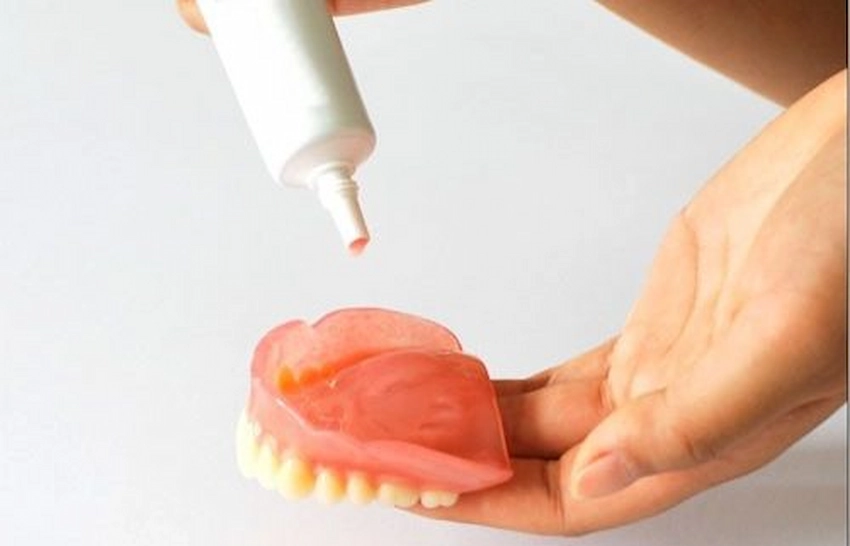
That raises the question… is there a way out of the messiness of paste and the risk of metal poisoning?
For us at Lema Dental Clinic, from what we’ve seen, the best and most sustainable solution is to remodel the entire mouth structure. Every year, we host thousands of patients in Turkey who can hardly bear the idea and inconvenience of loose dentures any longer, certain of the fact that we are leading in the use of highly sophisticated implant systems. Patients who have suffered severe bone loss have been helped through the use of All-on-4, All-on-6, or Zygomatic implants. These are the new roots that have been given to the patients,s and the bridge is fixed in the bone directly.
Dentist Polen Akkılıç and her team are especially committed to ensuring the perfect dental implant fit of these new teeth. Once secured, a fixed implant bridge leaves the roof of your mouth free. Your full bite strength is restored. Above all, you no longer have to buy dental paste. You protect your nerves, improve your diet, and regain your confidence.
FAQs
Is there a limit to how much denture paste one can safely use?
To be sure, a paste made from zinc-containing products should be spread over at least 3-8 weeks before you need to open a new one. If, on the other hand, you keep a newly opened paste tube at hand just to make sure your dentures stay in your mouth, you are using excessive, dangerously high amounts. You should talk to a dentist without delay.
How can I tell if I’ve been poisoned with zinc?
If someone has poisoned themselves with zinc, the least of their worries will be a tingling sensation in their hands and feet, or they might even feel as if they have been pricked with pins and needles. The symptoms may go on to the second level and include loss of sensation, imbalance, tiredness, and muscle weakness in the legs and arms.
Does stopping the paste mean my nerves will recover?
The first and most important thing is to quit the past right away. Doctors usually prescribe copper pills to restore the balance of minerals in the patient’s body. Nerve recovery is very slow; however, even though the blood levels of copper can normalize quite quickly. Nerve damage can become permanent if too much time elapses.
Are all denture pastes zinc-containing?
That is not true. Due to medical warnings, many large brands have changed their formulations and no longer contain zinc. Even so, many cheap store brands and “extra strong” pastes that are still using zinc can be found. Therefore, you shall always read the label on the box.
How can I quit dental paste for good?
Securing your teeth to your jaw is the only way to stop using paste forever. We do it with dental implants. Implants are artificial roots that hold your new teeth firmly in place so they can never slip again.
Academic References
- Nations, S. P., Boyer, P. J., Love, L. A., Burritt, M. F., Butz, J. A., Wolfe, G. I., … & Trivedi, J. R. (2008). Denture cream: an unusual source of excess zinc, leading to hypocupremia and neurologic disease. Neurology, 71(9), 639-643.
- Hedera, P., Fink, J. K., Bockenstedt, P. L., & Brewer, G. J. (2009). Myelopolyneuropathy and pancytopenia due to copper deficiency and high zinc levels of unknown origin II. The denture cream is a zinc source. Experimental Neurology, 218(2), 358-361.
- Spinazzi, M., De Lazzari, F., Tavolato, B., Angelini, C., Manara, R., & Armani, M. (2007). Myeloneuropathy after prolonged exposure to zinc-based denture adhesive. Archives of Neurology, 64(11), 1678-1681.
- Igic, R. (2010). Denture adhesive containing zinc can cause copper deficiency. Vojnosanitetski pregled, 67(10), 875-876.
- Willis, M. S., Monaghan, S. A., Miller, M. L., McKenna, R. W., Perkins, W. D., Levinson, B. S., … & Kroft, S. H. (2005). Zinc-induced copper deficiency: a report of three cases initially recognized on bone marrow examination. American Journal of Clinical Pathology, 123(1), 125-131.

