When the majority of persons are told about Lyme disease (Borreliose), they only associate that with joint pain, feeling overly fatigued, and a mark in the shape of a bull’s eye. Yet, one of the less known and barely discussed effects of it is how Lyme disease (Borreliose) is bad for your oral health. Thus, here is the primary topic: Can Lyme disease (Borreliose) lead to tooth loss? To put it simply—it’s a vague situation.
Let’s find out what the researchers and dental healthcare workers say about the connection between Lyme disease (Borreliose) and tooth loss, and what you should do if you find yourself with dental symptoms.
How Lyme Disease (Borreliose) Affects the Body—and Possibly Your Teeth
Lyme disease (Borreliose) is caused by a bacterium, a microorganism that is transmitted through a tick’s bite and has the capability to affect the body’s different systems. Neck pain and dropping pencils report causing neurological symptoms, joint inflammation, and chronic fatigue are the most serious effects. Nevertheless, some patients have also revealed various unexpected dental problems.
In a majority of the Lyme disease (Borreliose) and tooth loss instances, the two are related in an indirect way. This is because chronic inflammation, immune system malfunction, and nutritional deficiencies are the causes of gum and bone weaknesses which are the essential components in the retention of teeth.
Furthermore, if not treated promptly, the patients with advanced Lyme might experience dry mouth, the condition that leads to plaque accumulation and hence tooth decay. In case of neglect, this is soon to become a gum disease—thus, the fall of teeth.
Symptoms Linking Lyme Disease (Borreliose) and Tooth Loss
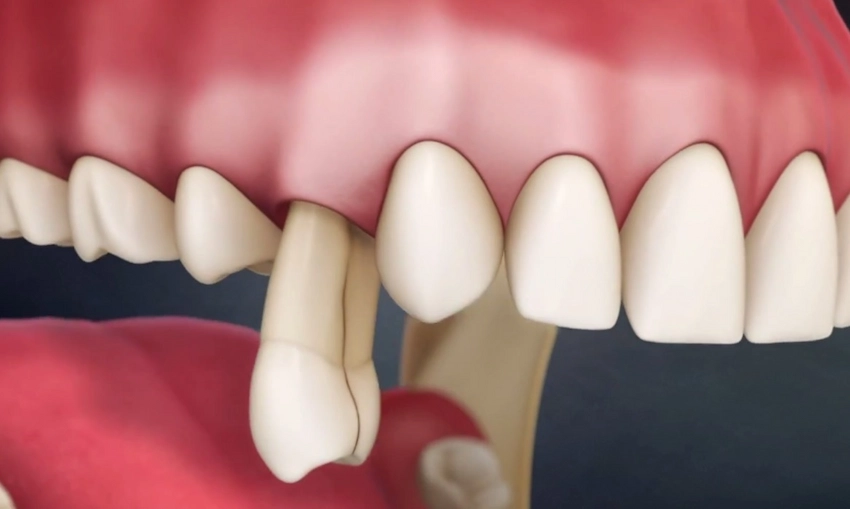
While not all individuals afflicted with Lyme disease (Borreliose) and tooth loss will consequently present with or show manifestations of oral or dental complications, a substantial number of such patients who do suffer from the visible effects, tend to express their confusion in the following respects.
A few of the most profound symptoms that have been reported by patients suffering from Lyme disease (Borreliose) and tooth loss include the following:
- Gum bleeding and inflammation
- Increased tooth sensitivity
- Loose teeth without any obvious cause
- Jawbone pain or clicking
- Chronic bad breath or metallic taste
Nevertheless, practitioners in the medical field and dentists have noted that in the long run or when the action of treatment cures Lyme disease is halted for a long period, a vacillating pattern of the illness cutting across Lyme disease (Borreliose) and tooth loss has been consistently observed.
Some researchers suggest that the spirochetes responsible for Lyme disease (Borreliose) and tooth loss can take refuge in the soft tissues of the mouth and exacerbate compromised periodontal issues leading to more severe damage, consequently, the deterioration of the dental structure becomes more aggressive, leading to the unnecessary practice of dentists and those who encounter such situations over time.
In severe circumstances where care is not rendered timely or to the proper extent, the damage could progress to such a level that loss of teeth becomes a very probable reality and is distinguished from the other course of treatment for Lyme disease (Borreliose) and tooth loss.
How to Manage Lyme Disease (Borreliose) and Prevent Tooth Loss?

To manage Lyme disease (Borreliose) and tooth loss effectively, a joint effort between general health practitioners and dentists is crucial. Patients afflicted with Lyme disease (Borreliose) should take the following preventive measures to promote and uphold the health of their teeth:
- Early Diagnosis: It is important to note that the fastest that Lyme disease (Borreliose) is diagnosed, the less likely it may affect the gums and teeth further on.
- Strong Oral Hygiene: For individuals with a compromised immune system, oral hygiene habits such as two times daily brushing, flossing, and use of mouth rinses have been highly recommended.
- See a Specialist: Consulting a Lyme-literate doctor in addition to a periodontist is also an effective and beneficial way of blending treatments and ensuring that all necessary measures are taken in
- Gone, but not forgotten, are the days of pain when your jaw bone recedes. If you have had Lyme disease for long, then see your dentist who can take X-rays to examine your jaw bone density.
- In case you have already lost a tooth, there is no reason to feel like you will remain a gummy person for life. Lema Dental Clinic can give you dental implants that are of the highest quality that can restore the aesthetic appearance of your mouth and the proper function of the teeth.
Even though you might prefer to ignore the damage caused by illness, you should not actually do this. You can have the jaw of the right shape with the help of porcelain veneers or undergo Hollywood Smile.
FAQ: Frequently Asked Questions About Lyme Disease (Borreliose) and Tooth Loss
Even if the information is not explicit, chronic Lyme disease (Borreliose) may still be the indirect cause of the weakening of the immune system and the gums, which will eventually lead to tooth loss.
People with Lyme disease may experience gum pain, loose teeth, or jaw problems again when they are least expected. They should talk to their doctor or dentist if they notice any of these symptoms.
In many cases of tooth loss due to Lyme disease (Borreliose), dental implants, gum grafting, and full smile restorations are advised as the next best treatment option
Gums that bleed, the feeling of your mouth deprived of moisture, tooth sensitivity, and an infection in your mouth that was caused and is still unknown might be symptoms.
Certainly. Doing regular and thorough teeth cleaning and gum care helps to minimize swelling and bacterial growth that are vital for controlling Lyme disease (Borreliose) and thus the reasons for tooth loss can be prevented.