


Yes, Often Possible
One can certainly have a dental implant done two years after tooth extraction. It really is a common situation in dental practice. Dentists, evaluating thoroughly the amount, quality of the bone, and the state of the gums, can safely and predictably put implants even if it is years after the extraction.
Not getting an implant right after the tooth removal does not mean you are less likely to get a successful treatment. Truth is, by means of precise diagnostics and state-of-the-art implant procedures, implants are able to become very stable even in cases when the time interval between the extraction and implantation is quite long.
What Happens to the Bone in the Jaw After Tooth Extraction?

Once a tooth is extracted the jawbone goes through a natural healing cycle. As the root of the tooth is no longer there to provide the bone with the required stimulation, the bone volume gradually decreases.
The majority of the bone loss occurs within the first 6 to 12 months after the extraction; however, the process of bone loss may continue at a slower rate over time.
This is the reason why a professional assessment is very important in case a dental implant is planned a few years after a tooth extraction.
Is Bone Loss Still a Problem After 2 Years?
Bone loss after 2 years can certainly complicate the planning of implant treatment; yet, that does not mean it is a definite barrier to the therapy.
There are still a lot of patients who retain enough bone to support an implant without the need for extra procedures. In case the bone volume is not sufficient, the dentist may resort to advanced techniques such as bone grafting, sinus lift surgeries, or the use of special implants to safely bring back the patient’s condition to implant therapy.
How the Dentist Assesses Implant Candidacy After a Long Delay
With the help of 3D CBCT imaging, dentists get an exact measurement of the bone height, width, and density. This piece of high-tech equipment allows them to plan the surgery in great detail and also the surgical risks are considerably minimized.
The patient’s medical history, occlusal forces, gum condition, and oral hygiene status are taken into consideration as well to guarantee the longevity of the implant.
Treatment Options If Bone Loss Is Present
Modern implant dentistry has creatively addressed the problem of bone loss from various angles. The final decision will be made by the clinical team based on the anatomical, general health, and functional requirements of the patient.
| Clinical Situation | Possible Solution | Purpose |
| Mild bone loss | Standard implant placement | Direct implant support |
| Moderate bone loss | Bone grafting | Restores bone volume |
| Upper jaw bone loss | Sinus lift | Creates vertical bone height |
| Severe bone loss | Specialized implants | Anchors in stronger bone |
Does Waiting 2 Years Affect Implant Success?
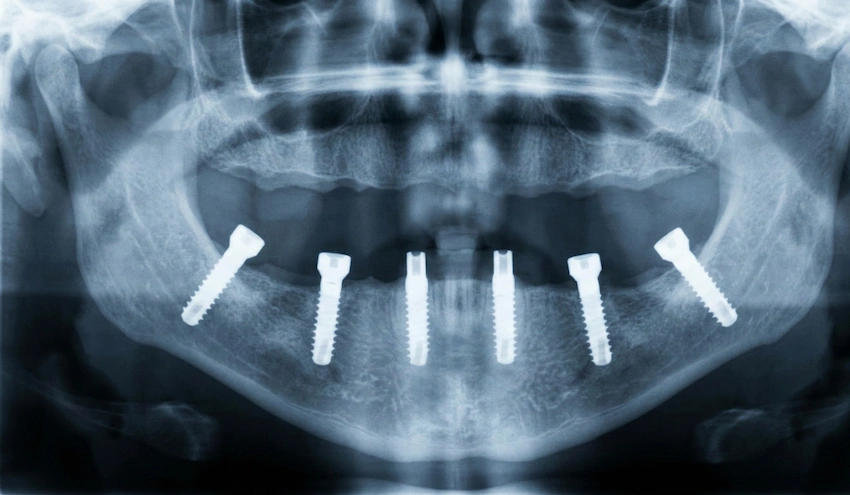
Without a doubt, implants inserted after several years of tooth removal, if well planned, have very high long-term success rates. Factors other than the timing alone, such as precise diagnosis and proper technique, are of utmost importance.
Delayed implants are perfectly capable of functioning and appearing as real teeth provided that surgical protocols are strictly followed and aftercare is adequately assured.
Benefits of Getting an Implant Even Years Later
Dental implants facilitate bone maintenance by enabling reestablished natural mastication forces. Besides, they hold adjacent teeth in place and preserve facial contours.
Implant placement is a positive step no matter how long ago the extraction occurred since it restores not only the smiles and confidence but the chewing functionality and long-term oral hygiene as well.
Dental Implant Treatment in Turkey at Lema Dental Clinic
Undergoing dental implant treatment in Turkey is not merely about the dental surgery itself. It is a package deal comprising state-of-the-art diagnostics, up-to-date surgical protocols, and technically accurate treatment planning. Implant therapy at Lema Dental Clinic is first and foremost a process of unlocking possibilities since thorough case analysis is fundamental to the clinic’s philosophy which focuses on safety and efficacy even in the most complicated scenarios.
Combining digital planning with top-tier implant systems and a focus on patient care from Lema Dental Clinic, one can expect not only highly functional implants but also a stable and aesthetic outcome that is intended to last.
FAQs About Getting an Implant 2 Years After Extraction
It is possible to have dental implants placed even two years after teeth have been taken out as long as the jawbone and gums are examined and prepared properly.
The success of an implant is more related to the quality of the bone and the treatment plan rather than how long it has been since the tooth was extracted.
The jawbone loses mass gradually if left unreinforced after tooth extraction hence the volume of the bone can decrease significantly.
There are cases where patients will have sufficient bone even without the need for additional procedures.
If bone volume is insufficient, treatments such as bone grafting or sinus lift procedures can safely prepare the area for implants.
American Dental Association. Dental Implants: Post-Extraction Considerations.
International Team for Implantology. Consensus Statements on Implant Timing and Bone Preservation.
Misch, C. E. (2015). Dental Implant Prosthetics. Elsevier Health Sciences.

