


Yes, with treatment.
Gum disease, also known as periodontal disease, is a condition that affects a significant number of people worldwide. The disease may be varied in degree, from mild gingivitis to severe periodontitis that may cause tooth loss if not treated. If you are planning to have All-on-4 implants but your gums are a concern, then you are in the right place. Being a person with gum disease, you may wonder if you can still be qualified for the All-on-4 implant procedure.
The article will describe whether it is allowable to have All-on-4 implants along with periodontal disease, the difficulties that may arise, and how Lema Dental Clinic treatment in Istanbul can help you regain your smile and have good oral health again.
What Are All-on-4 Implants?
All-on-4 implants are a procedure that is the solution to the problem of people who have lost most or all of their teeth. The revolutionary method means that four dental implants are placed in the jaw to hold the full set of the replacement teeth, which is the most stable and long-term result compared to the traditional dentures. All-on-4 implants aim at functioning and the beauty of your teeth as natural ones and thus, you get a natural look smile back.
How Gum Disease Affects Your Eligibility for All-on-4 Implants
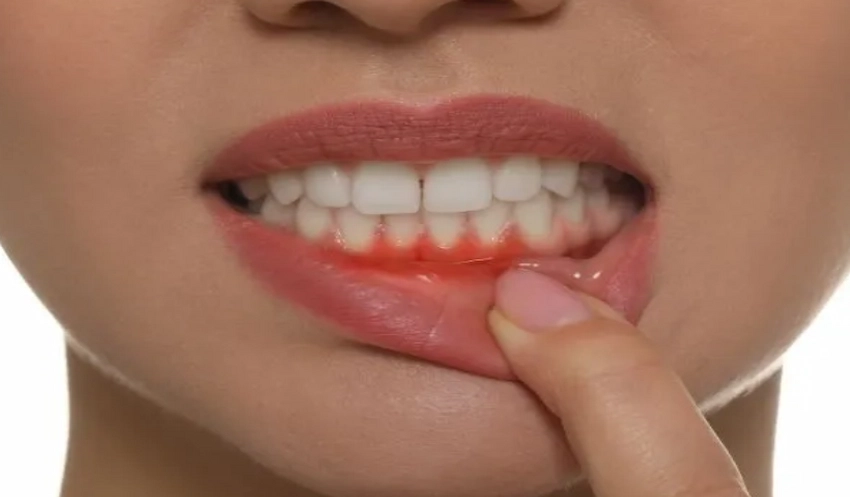
If you suffer from gum disease, you need to find out how it will affect the possibility of getting the All-on-4 implants. The infection of the gums can cause the bone that supports your teeth to lose strength which is even more important for the correct and stable placement of dental implants. In situations of severe gum disease, the area around the teeth may be so damaged that it can even lead to bone loss.
Your dentist, before the turn, will definitely check the condition of your gums and jawbone. If you only have a mild or moderate case of gum disease, the dentist will write you a prescription for the treatment of periodontitis so that implant surgery can follow right after. While, in instances of serious ill-condition of the gums with plenty of bone loss, implant success can only be guaranteed after bone grafting has been done along with other procedures.
Can Gum Disease Be Treated Before All-on-4 Implants?
Gum disease can be cured in most cases before you undergo All-on-4 implantation. If your condition is severe, your dentist may recommend a treatment involving more than one method, these being:
Deep Cleaning and Root Smoothing: A deep cleaning that removes plaque and tartar from the area under gums.
Antibiotics: Medicines that destroy bacteria causing the infection and help the gums heal by bringing the healing process.
Bone Grafting: In case of bone loss due to gum disease, bone grafting will give the necessary support to the place where the implant is going to be inserted.
After the treatment and the recovery period, when your gums and jawbone will be in perfect health, the dentist at LEMA Dental Clinic will be able to perform the All-on-4 surgery.
Why Is It Important to Treat Gum Disease Before Implants?
There are a number of reasons for which gum disease should be treated before All-on-4 surgery among them are:
- Preventing Further Infection: If the cause of the infection is not removed, the disease will be, definitely, progressed, which condition may eventually lead to the failure of the implants.
- Ensuring Implant Stability: The health of the gums and the strength of the jawbone make up the base upon which the dental implants will be able to hold and work for a longer period of time.
- Enhancing Aesthetic Results: Once the problem of periodontitis is solved, you may be assured that your gums are presentable hence the result of the All-on-4 implants will put one natural-looking smile together.
Can I Get All-on-4 Implants if I Have Severe Gum Disease?
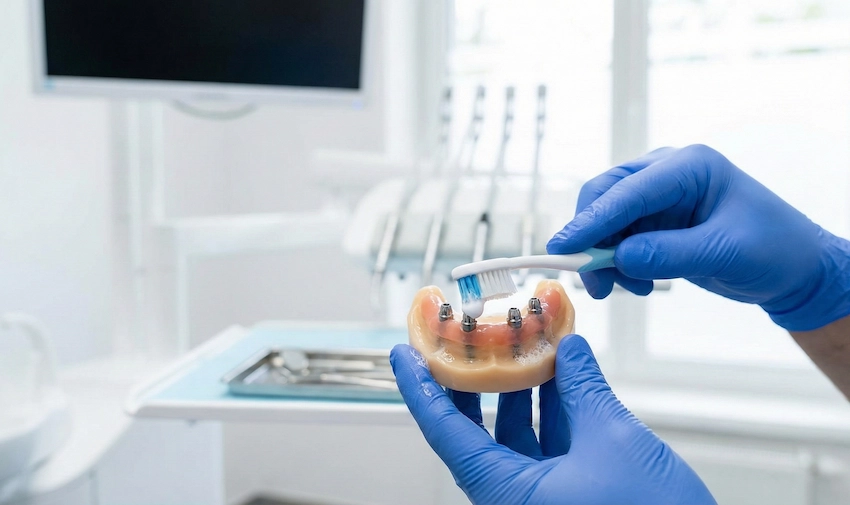
In situations where a person has a bad case of gum disease, the doctor can prescribe an additional course of treatment before the patient undergoes All-on-4 implant. It may be restoration of the bones via a bone graft if the loss of the jawbone resulting from an extensive period of diseased gums is significant. The dentist at LEMA Dental Clinic will be there with you to figure out your condition and come up with a treatment plan that fits you most.
The Benefits of All-on-4 Implants
- Better Functionality:The All-on-4 implants become a solid base for the replacement teeth; therefore, patient will be able to eat, speak, and smile as before.
- Results That Look and Feel Natural: Both the implants and the prosthetic teeth are designed to be the same as natural ones in every aspect that is seen and felt, thus giving perfect integration.
- Long-Term Solution: All-on-4 implants represent a solution to the problem of missing teeth that is both durable and long-term, moreover, if it is well taken care of, it can last for an extended period.
- Minimally Invasive: As fewer implants need to be placed for the All-on-4 technique than for the traditional implant procedures, the recovery time and the surgical complexity can be reduced accordingly.
Long-Term Care and Maintaining Healthy Implants
Post your All-on-4 implant procedure, you need to keep up a proper oral care routine in order to make sure that the implants lasts for a long time. It is imperative to one’s dental well-being that they are brushing, flossing, and visiting their dentist regularly. Should you have had gum disease in the past, you will now be needing constant gum care in order to avoid any forthcoming problems.
Treatment Process: Step-by-Step Guide to All-on-4 Implants and Gum Disease Management
The treatment journey for patients suffering from gum disease and seeking All, on, 4 implants can be outlined as follows:
| Treatment Step | Description | Outcome |
| Initial Consultation | The dentist evaluates the extent of the periodontal disease and overall oral health condition. | Decision whether gum disease is treatable or bone grafting is required. |
| Gum Disease Treatment | If the condition is caused by plaque and tartar, root planing and revision will be utilized, antibiotics will be administered if there is a bacterial infection, and surgery will be considered when the condition is severe. | Treatment eliminates the infectious agent and restores the health of the gums. |
| Bone Grafting (if needed) | The purpose of a bone graft is to return the bone that was lost to a significant extent due to the reasons for the implant placement. | Restores the bone volume, thus enabling the place where the implant goes to be safe and secure. |
| Implant Placement Surgery | The process involves the insertion of four implants into the jawbone that will serve as the basis for the new teeth. | The implants are put in place, and the healing process is started. |
| Healing and Recovery | Period allowed for healing of a few months during which osseointegration (the implants merging with the bone) will take place. | The implants have been properly fused with the jawbone, thus, stability is granted for a long time to come. |
| Final Prosthesis Placement | Once the healing is over, the artificial teeth that have been tailored to fit you will be fastened to the implants. | The new permanent set of teeth will be there for you to enjoy the restored functionality and the fresh look of the smile. |
| Long-Term Care | In order to keep the implants and the gums in good condition, the patient should not neglect their oral hygiene routine, examinations, and professional cleaning. | In good health, the gums, and implants are ensured through long-term oral care and thus, the durableness and functionality of the All-on-4 implants are secured. |
All-on-4 Implants in Turkey: Why Choose LEMA Dental Clinic?


One of the reasons for the increasing number of people traveling to Turkey for dental procedures is the excellent medical care combined with low prices. Lema Dental Clinic, in Istanbul, is the place where you can get the advanced All-on-4 implant done with the latest technology and experienced specialists. The end-to-end services offered to the clients by the team, led by Dentist Polen Akkılıç, and her proficient team, are ensuring that all the needs from consultation to post-operative follow-up are met.
Frequently Asked Questions About All-on-4 Implants and Gum Disease
Yes, mild gum disease can often be treated with procedures like scaling and root planing before proceeding with All-on-4 implants, ensuring a healthier foundation for the implants.
Severe gum disease may require more intensive treatments, such as scaling, root planing, and bone grafting, to restore your oral health and ensure the success of your implants.
The recovery period typically takes several months, with the implants needing time to fuse with the jawbone through a process called osseointegration, which can take anywhere from 3 to 6 months.
Yes, bone grafting can be performed to restore the lost bone and create a strong base for the implants, ensuring they remain stable for the long term.
Regular dental care, including brushing, flossing, and professional check-ups, is essential to maintaining the health of your implants and preventing gum disease or complications.
- Polido, J. M., & Silva, M. (2018). The impact of periodontal disease on the success of dental implants. Journal of Periodontology, 89(2), 145-152.
- Smith, A. R., & Johnson, L. T. (2017). Bone grafting techniques in implant dentistry. Clinical Implant Dentistry and Related Research, 19(3), 250-259.
- Brown, R. S. (2016). Implants and gum disease: A comprehensive guide. Wiley & Sons.

