


The Connection Between Toothbrushing Habits and Gum Health
One of the most vital elements of oral health care is definitely toothbrushing, which must not be overlooked in the prevention of gum disease. Unfortunately, research by Dentist Polen Akkılıç and her team indicates that the use ofan extremely aggressive brushing technique with high force is the most frequent reason for the wear of the gingiva causing gingival recession. Gingival recession is a situation where the gums separate from the teeth making the roots exposed so the teeth become more vulnerable to decay and sensitivity.When the stage ofgum recession is at a standstill, tooth sensitivity, pain, and a higher risk of dental caries may surface as a result of the roots of the teeth being exposed. Excessive vigorous brushing is really a bad thing which may cause irreversible injury to the delicate tissues of your gums; thus it becomes quite necessary to realise the problem and adopt the correct brushing habits.
The use of correct brushing methods is highly emphasised byProfessor Doctor Coşkun Yıldız as a way to keep a smile healthy. Improper brushing habits, if continued over a long period of time, can cause substantial damage to the gums and thus result in such problems as gum disease, tooth decay, and tooth loss. If one is to be able to prevent worsening of the condition, then timely intervention is the only way out, and regular dental check-ups can determine the stage of the earliest gum recession, thus enabling patients to receive the appropriate treatment before the damage becomes unbearable.
How Does Hard Brushing Cause Gum Recession?
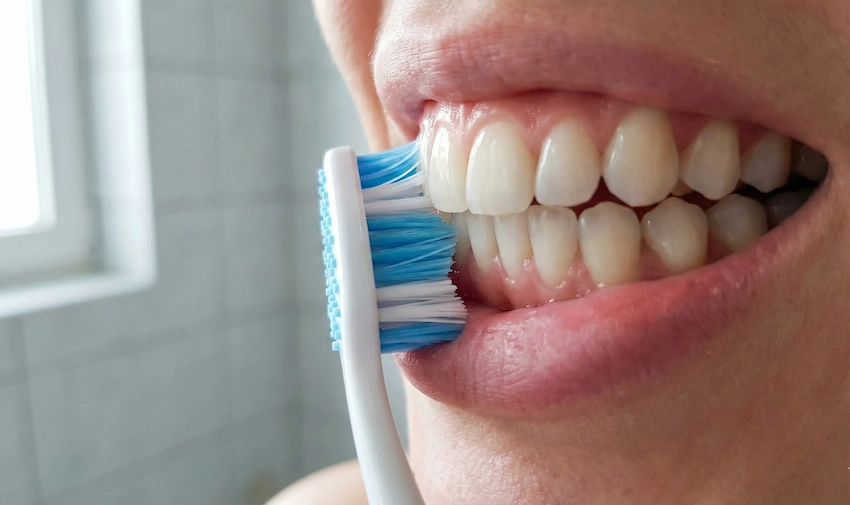
When a person brushes really hard, the excessive pressure is most times applied to the gum line, which as a result can cause the breakdown of the gum tissue in that area gradually. This is explained by the fact that when one brushes forcibly, the bristles of the toothbrush not only contact but also push into the gums, thus leading to wear and tear. The roots of the teeth, as they become exposed because of the receding gums, thus, become very sensitive to temperature changes and at the same time, are more vulnerable to decay. Dr Polen Akkılıç claims that the use of a hard-bristle toothbrush can worsen the situation by irritating the gums even more and thereby increasing the risk of gum recession.
Besides the gum recession that goes hand in hand with aggressive brushing, the latter can also be the cause of enamel erosion which in turn leads to the weakening of teeth and the subsequent occurrence of tooth decay. The enamel that serves as a protective layer for the teeth is vulnerable to destruction by an abrasive toothbrush as well as by a harsh brushing motion. Eventually, this will bring about serious problems in oral health, such as sensitivity, discolouration, and cavities. In order not to be victims of gum recession and tooth damage, people have to resort to gentle brushing and also use a toothbrush with soft bristles.
How Can You Tell If You’re Brushing Your Teeth Too Hard?
One of the main indications of overzealous brushing is the occurrence of bleeding, pain, and increased tooth sensitivity. Excessive force hitting the teeth and gums may cause the latter to start bleeding, particularly the gum line area. This bleeding is a very obvious indication that the gums are being irritated and damaged by the force of the brushing. Dr Polen Akkılıç mentions that sensitivity of teeth to hot and cold food is a common symptom of gum recession since the roots of the teeth that are exposed become very sensitive to temperature changes.
Patients are also advised to keep an eye on what happens to their gums. The receding of the gum line or the exposure of more of the tooth’s root is a sign that you are brushing too hard. Professor Doctor Coşkun Yıldız says that frequent bleeding of the gums or discomfort after brushing may be a sign that you need to change your technique. It is necessary to use more gentle brushing methods in order not to injure your gums and teeth further and to keep them healthy.
The Differences Between Aggressive Brushing Symptoms and Healthy Brushing Habits

Healthy brushing methods generally consist of brushing one’s teeth with a soft-bristle toothbrush in small, circular, and gentle motions. The plaque and other leftovers can be removed by these movements without the gums and teeth being injured. Such a method protects the gum line from tooth enamel damage. On the other hand, the forcibly aggressive brushing method is characterised by the use of an extreme pushing force and a harsh and abrasive motion. As a result, the gums can become red and recede, and the enamel can wear thin. Dr Polen Akkılıç recommends that a gentle circular motion be used to clean the teeth thoroughly and that no back-and-forth sawing motions be used which would damage the gum tissue.
Healthy brushing patterns should also be accompanied by the act of brushing for two minutes, thus ensuring that each tooth surface gets brushed gently. Rigorous brushing is frequently associated with excessive brushing of certain areas of the mouth and the resulting damage to both the gums and teeth. As Professor Doctor Coşkun Yıldız points out, it is very important to select the proper tools and techniques in order to achieve a balanced oral care routine. The practice of proper brushing techniques can keep the gum line from receding and continue to provide the gums and teeth with their protective functions for a long time.
The Right Way to Brush Your Teeth
- Soft-bristle toothbrush: A toothbrush with soft bristles has to be your choice always. This is for preventing situations of damaging your gums and enamel. After a period of time, hard bristles can cause gum recession and enamel wear.
- Apply light pressure: The pressure that you use while brushing has to be light. If you are brushing too hard, it may cause damage to the gums and thus, gum recession can be the outcome. Hence, be sure that your brushing is gentle and still thorough.
- Brush in Circular Motions: Using small circular motions will be more effective in cleaning your teeth than a back-and-forth motion. Besides being more effective, this method is also much gentler for the gums.
- Brush for Two Minutes: The time for brushing should be at least two minutes during which you clean the teeth from every surface. It is possible to divide the time equally between the upper and lower teeth as well as the front and back ones.
- The gum line where the tooth meets the gum has to be your focus. This area can be a plaque and bacteria trap, thus it is very important to clean it in order to prevent gum disease and recession.
- Brush Twice a Day: Toothbrushing has to be done at least twice a day — an activity in the morning and before bed — to remove plaque and food particles. The act of cleaning the teeth at night is very crucial because it thoroughly removes food and plaque that have accumulated during the day.
- Change Your Toothbrush Regularly: The toothbrush you have to change every three to four months or when the bristles get worn out is the one you use. It is less effective to clean a toothbrush that is worn out properly.
- The use of a timer may help: The use of a timer or a toothbrush with a built-in timer helps in keeping the brushing duration for the full two minutes. Thus, it aids in the consistency and completeness of the brushing routine.
Gum Recession Treatment Plans
When gum recession is visually apparent, treatment possibilities might be non-surgical ways such as scaling and root planing which are aimed at removing the plaque and tartar that have accumulated on the roots. The operation not only cleans but also revives the healing process, so the gums can reattach themselves to the teeth. If the case is very extreme, the recovery of the lost tissues by means of a surgical method like a gum graft might be a way to both protect the roots and to make the tooth look like it was before again. Dr Polen Akkılıç announces that prevention through very early-stage checking is the basis of stopping further receding gums and maintaining the health of the teeth and gums.
Professor Doctor Coşkun Yıldız suggests that patients suffering from gum recession should undergo a treatment program that combines professional dental care with home care routines. The measures taken to prevent the problem from getting worse, for instance, using a soft toothbrush and correct brushing methods, are extremely important in stopping gum recession from going further. If the loss of the gum is too severe, surgery can be the solution to not only make the gums look normal again but also to safeguard the teeth from getting damaged more.
Comparison of Healthy vs. Aggressive Brushing Habits
| Brushing Habit | Healthy Brushing | Aggressive Brushing |
| Brush Type | Soft-bristled toothbrush | Hard-bristled toothbrush |
| Pressure Applied | Light to moderate pressure | Excessive pressure |
| Motion | Small, circular strokes | Sawing or back-and-forth motions |
| Gum Health | Promotes healthy gums and enamel | It can cause gum recession and tooth enamel wear |
| Tooth Sensitivity | Low to no sensitivity | Increased tooth sensitivity |
| Gum Irritation | None | Bleeding, irritation, or swelling |
FAQ: The Connection Between Toothbrushing Habits and Gum Health
Yes, brushing too hard can damage the gum tissue and cause it to recede. This results in exposed tooth roots, which increases the risk of sensitivity and tooth decay.
Signs include gum bleeding, tooth sensitivity, and visible gum recession. These symptoms suggest that you may be applying too much pressure while brushing.
Use a soft-bristled toothbrush and brush gently in circular motions. Avoid using excessive pressure and switch to a softer brush if necessary to prevent further gum damage.
Yes, treatments such as scaling and root planing, or gum grafting, can help restore gum health. Your dentist can recommend the best treatment based on the severity of your condition.
Yes, continue brushing your teeth, but be sure to use a soft-bristled brush and apply light pressure. This will help protect your gums while maintaining proper oral hygiene.
No, gum recession can also be caused by other factors, including gum disease, ageing, or genetics. Brushing too hard is one potential cause, but it is not the only factor.
If your gums are bleeding, feeling sore, or appearing receded, your brushing technique may be too aggressive. Switching to a gentler technique can prevent further damage.
A soft-bristled toothbrush is the best choice for preventing gum recession. It is gentle on the gums while still effectively cleaning your teeth.
- American Dental Association. (2020). Brushing your teeth.
- McGuire, J., & Lerman, M. (2018). The effects of brushing techniques on gum health: A review of current literature. Journal of Periodontal Health, 25(3), 110-115.
- Academy of General Dentistry. (2019). Proper brushing techniques for optimal oral hygiene. Journal of General Dentistry, 67(2), 45-49.
- Jenkins, M. R., & Thompson, W. D. (2017). Understanding the role of tooth brushing in preventing gum disease. Dental Health Journal, 22(4), 234-239.
- Parker, H. D., & Foster, L. S. (2021). Effective oral hygiene habits for healthier gums. International Journal of Dental Hygiene, 29(6), 412-418.

