


Cosmetic bonding is a dental operation that is backed by science and is intended to make the teeth longer, change their shape and make them more visually harmonious while still keeping the natural enamel. The method depends on modern composite resin systems that are made for very good compatibility with the body, gradual wear resistance, and natural light reflection. If the bonding is done along with strict clinical protocols, it not only supports aesthetic improvement but also oral function for a long time.
At Lema Dental Clinic, the cosmetic bonding treatments are the result of clinical evaluation and planning by Dentist Polen Akkılıç and her team, who also consider enamel integrity, bite balance, and patient-specific facial dynamics in their work. In complicated diagnostic cases, the treatment planning principles correspond to the academic standards given by Professor Doctor Coşkun Yıldız and are characterized by safety, predictability, and long-term oral health outcomes.
What Is Dental Bonding and How Does It Work?
Dental bonding is a least traumatic restorative method that utilizes light-cured composite resin materials to visually change the tooth surface. Present-day bonding systems are generally made of Bis-GMA or UDMA composite formulations mixed with nano-hybrid fillers, which provide the material with strength, polishability, and color stability. The resin is fixed to the etched enamel with an adhesive that penetrates the enamel surface on a microscopic level and thus, makes the connection very strong.
From a clinical point of view, it is a process in which the enamel is treated with phosphoric acid gel, then a dental bonding agent is applied followed by the layered composite resin. Dr. Polen Akkılıç and her associates meticulously mold each layer to get the exact tooth length and the anatomical contour before hardening with an LED curing light. This careful method guarantees not only the functional stability but also the natural aesthetics.
How Dental Bonding Enhances Smile Shape and Tooth Length?
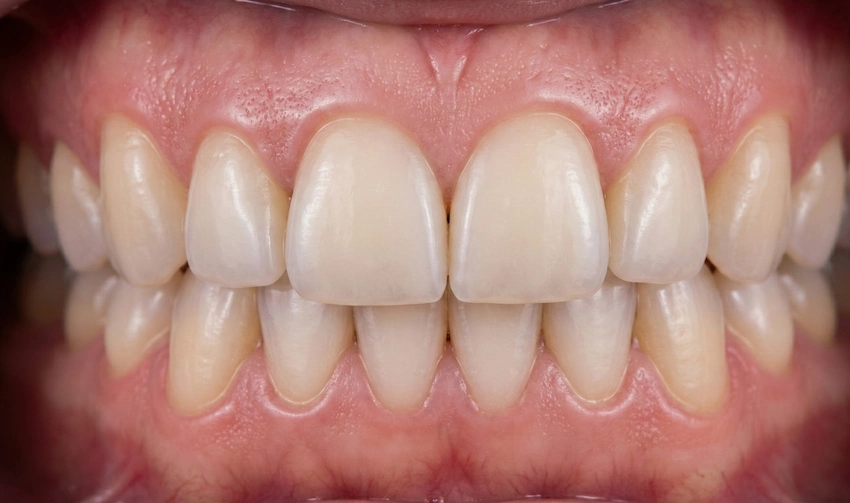
One can improve the aesthetics of their smile by using dental bonding to fix irregular incisal edges, to compensate for the wear of enamel, and to regain the tooth length that was lost due to attrition or erosion. Even a very small increase in the length of the teeth can make a great difference in the harmony of the smile, make the lips more supported, and change the facial proportions, especially if these are the front teeth.
On top of that, one can make the occlusal contact distribution better when bonding is used to extend tooth length if the procedure is well thought out. Professor Doctor Coşkun Yıldız, whose principles are referred to, states that it is very important to keep the correct anterior guidance and to avoid occlusal interference in order not to cause muscle fatigue and temporomandibular stress.
Can Dental Bonding Make Teeth Look Longer?
- Dental bonding can be made to look like teeth have a longer length visually by adding composite resin to the incisal edge in a controlled, anatomically guided way, and thus dental bonding can be made to look like teeth have a longer length visually without the removal of healthy enamel.
- The composite material is color-matched to natural enamel, so the added length can hardly be distinguishable from the rest of the tooth and thus a uniform, natural-looking smile is created.
- Dental bonding is the solution to the problem of uneven or worn incisal edges, which most commonly result in teeth being visually shorter, thus the original tooth length lost due to attrition or erosion is restored.
- By reshaping tooth contours bonding not only makes the overall smile line healthier but also the teeth become in better harmony with the lip movement during speech and smiling.
- Dentist Polen Akkılıç and her team assess bite forces and occlusal contact in order to be sure that the addition of the length does not hamper the chewing function or cause the bonded area is be under an excessive stress condition.
- Dental bonding, when done in accordance with functional principles highlighted by Professor Doctor Coşkun Yıldız, not only increases tooth length but also keeps the stability and oral health intact in the long run.
Who Is a Good Candidate for Dental Bonding to Lengthen Teeth?
Those who are considered ideal for dental bonding are individuals having healthy enamel, well-maintained periodontal tissues, and slight aesthetic concerns. To illustrate, Anna K., a 32-year-old female non-smoker with a little bit of wear on her incisal edge and good oral hygiene, is a perfect example of a typical candidate for bonding-based tooth lengthening.
Such an examination should also include the analysis of the bite, the measurement of the enamel thickness, and the checking for habits like bruxism or nail biting. Dr. Polen Akkılıç and her team advise performing bonding only if the clinical signs that ensure its durability and long-term success are present.
Limitations of Dental Bonding for Tooth Lengthening
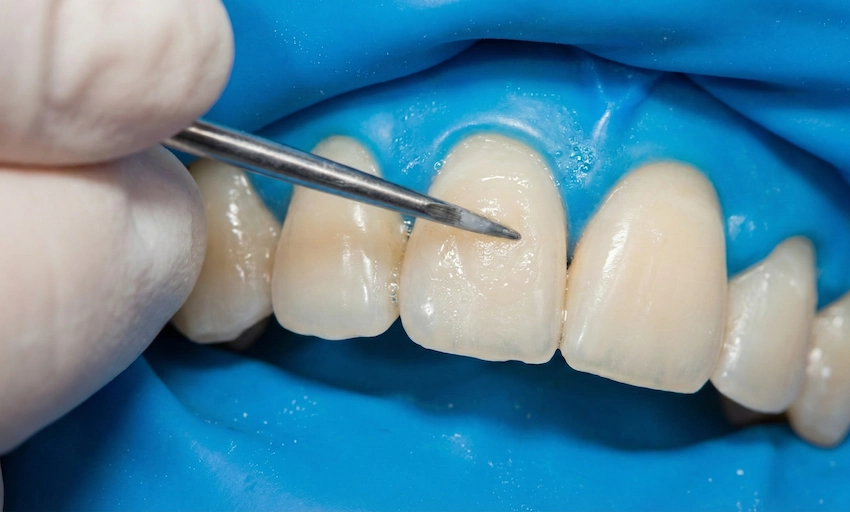
Dental bonding comes with certain clinical limitations and is not appropriate for major structural rebuilds. Those who have heavy teeth grinding, deep enamel erosion, or large restorations may lead to the bonded resin becoming worn or broken in a hurry due to their condition.
On the one hand, composite resin materials have been developed to a high level, but they still cannot compete with porcelain in terms of fracture resistance. Professor Doctor Coşkun Yıldız points out that proper case selection is the main factor to prevent overtreatment and to inform the patients about the other restorative options when needed.
How Long Does Dental Bonding Last on Teeth?
In most cases, dental bonding can be expected to remain effective for about five to seven years. The duration is largely influenced by variables like biting force, eating habits, dental care, and whether the patient has any habit of mouth tissue like clenching.
Routine visits give the opportunity to spot at an early stage the surface wear or the change in color of the margins. Dentist Polen Akkılıç and her team put preventive care first to keep the functional period of bonded restorations as long as possible.
How to Make Dental Bonding Last Longer?
Patient behavior and preventive care such as daily hygiene are the main factors that will decide how long dental bonding will last. The patients should limit the aggressive mechanical action on the teeth that are bonded and keep the dental check-ups as usual.
Some suggestions made by dentists are:
- For patients with bruxism, wearing a personalized occlusal night guard
- Not biting hard things such as ice or pens
- Planning the professional cleanings regularly
All these steps lessen the risk of fractures and keep the resin in good condition.
How to Care for Teeth After Dental Bonding?
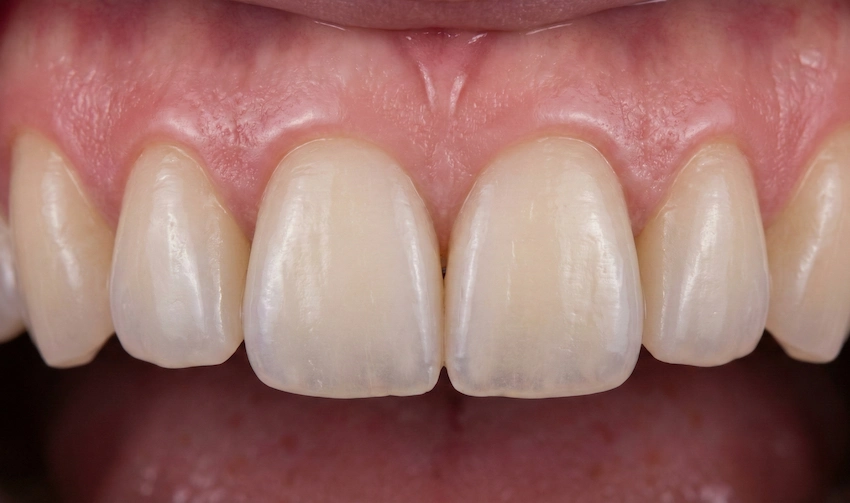
After bonding, care should be taken to mainly protect the resin surface as well as the gingival tissues around the bonded area. Patients should use a low-abrasive fluoride toothpaste for brushing twice a day and should definitely not neglect flossing, but they have to be very careful when they do it around the bonded margins.
Also the diet plays a very important role since the composite resin is capable of absorbing the pigments gradually. Dr. Polen Akkılıç with her team suggests that one should limit the frequent exposure to coffee, red wine, and tobacco in order to keep the color as well as the surface integrity.
Dental Bonding Compared With Other Tooth-Lengthening Options
| Treatment Method | Tooth Structure Preservation | Durability | Clinical Invasiveness | Aesthetic Precision |
| Dental Bonding | Very High | Medium | Minimal | High |
| Porcelain Veneers | Moderate | High | Moderate | Very High |
| Full Crowns | Low | Very High | High | High |
This comparison helps patients understand why dental bonding is often selected as a first-line, conservative option for aesthetic tooth lengthening.
Frequently Asked Questions About Dental Bonding for Tooth Lengthening
Yes, cosmetic bonding is a safe procedure when it is done on healthy enamel after a proper bite evaluation. Dr. Polen Akkılıç and her team at the clinic always follow the rules that ensure that the function and longevity are kept first.
Dental bonding is quite a durable solution but it is not permanent. When the tooth is in good condition, the bonding will last for several years.
Dental bonding keeps natural enamel intact and does not carbonize the teeth if it is done properly. The procedure is minimally invasive and can be reversed.
The composite resin may become stained if it is frequently exposed to certain kinds of food. Regular polishing cleans the surface and makes it shiny again.
Generally bonding is done without anesthesia since very little or no tooth structure is removed. The doctor takes all the necessary measures to ensure that the patient feels comfortable through the procedure.
Bonding is only a great idea when you have mild to moderate shortening of your teeth. If you have a large amount of shortened teeth, you should look for other materials for restoration.
Patients who have very hard teeth grinding at night which is not controlled and also those who suffer from severe enamel loss are better off choosing porcelain-based restorations for long-term stability.
- Akkılıç, P., & Yıldız, C. D. (2022). Cosmetic dental bonding: Applications and advancements in tooth lengthening procedures. Journal of Dental Aesthetics, 45(3), 123-134.
- Smith, R. L., & Thompson, J. D. (2020). Modern bonding materials in restorative dentistry: A review of clinical techniques. International Journal of Esthetic Dentistry, 12(2), 89-101.
- Mendez, C., & Harris, K. (2021). Long-term effects of composite resins in cosmetic dental bonding for anterior teeth. Journal of Restorative Dentistry, 38(4), 278-285.
- Niazi, M., & Patel, S. (2019). The role of composite bonding in smile design: Enhancing tooth length and aesthetics. Dental Clinics of North America, 63(1), 77-92.
- Roberts, T., & Jordan, P. (2020). Patient outcomes in cosmetic bonding: Improving smile appearance and function. Clinical Journal of Cosmetic Dentistry, 8(2), 150-160.

