


Sleep apnea is a frequent and dangerous condition wherein the normal respiration is severely disrupted multiple times during a sleeper’s sleep cycle. Moreover, sleep apnea is also a leading cause of other medical issues such as hypertension, heart disease, diabetes, and strokes. People with sleep apnea are in a bad condition as they are not able to concentrate for a long time, feel tired, and their mood is also adversely affected. Basically, the application of an oral device that significantly ameliorates the sleep apnea condition without recourse to surgery is considered one of the most successful approaches to the elimination of the sleep apnea problem.
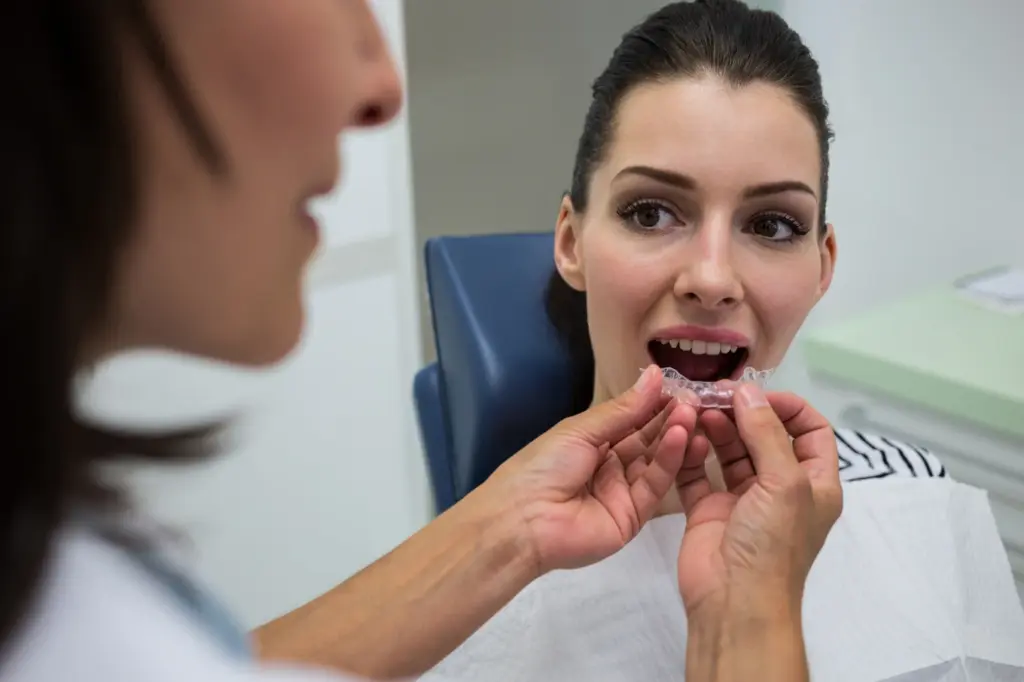
With the help of this article, you will be able to understand better through the information provided about the relief by the help of a mouth guard for sleep apnea, its working, the different kinds of it available, and its comparison with other ways of treatment. The patient suffering from sleep apnea who is going through this comprehensive guide in order to find the right solution for his problem will benefit from detailed facts about the utilization of oral appliances in the therapy of sleep apnea.
How Does a Sleep Apnea Mouth Guard Work?
An oral device for sleep apnea, or a mandibular advancement device (MAD), is a device that operates on the idea of moving the lower jaw and the tongue to a space that allows the free flow of air during sleep. Obstructive sleep apnea (OSA) is the major type of sleep apnea, where the breathing passage is hindered due to the folding of the soft tissues around the windpipe during sleep. These brief, complete or partial blockages of airflow are what result in the breathing pauses.
To start with, a mouth guard device plays a vital part in pushing the jaw slightly forward in order not to let the soft parts of the throat or the tongue close over the airway. In this way, air flow will be continuous and free, which, in turn, will decrease the breathing pauses to a minimal level and ensure a really pleasant night’s sleep. The mouth guard is a highly valuable support to those patients who do not tolerate the CPAP therapy, which is the most common and standard treatment for sleep apnea.
Furthermore, a mouth guard is a non-invasive, easily portable, less noisy device as compared to CPAP therapy, which involves a mask, and the air is delivered at a constant flow. This fact makes it a desirable option for patients with mild to moderate obstructive sleep apnea or for those who require a less cumbersome treatment.
What Does a Sleep Apnea Mouth Guard Do?
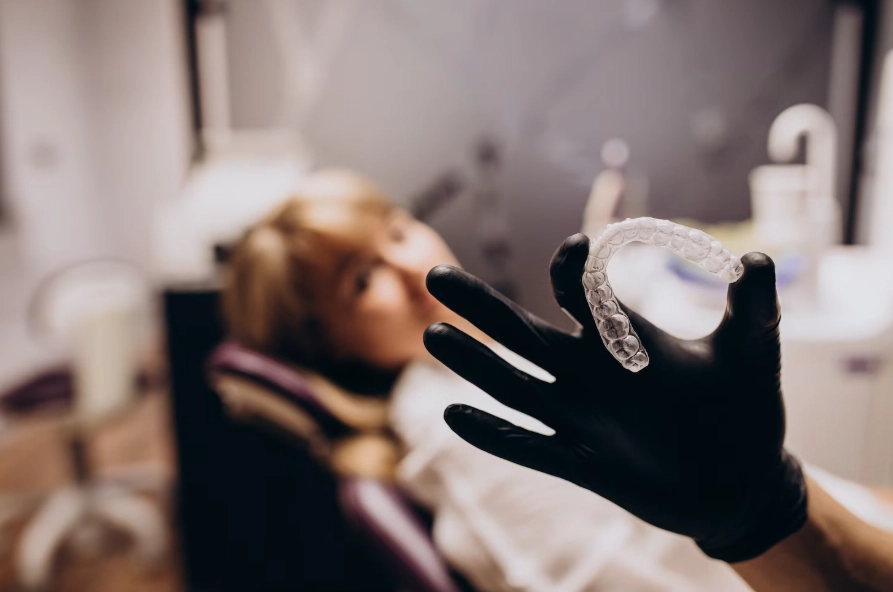
The Primary Function of a Sleep Apnea Mouth Guard is to Bypass All the Obstacles That are in the Air Channel and to Allow a Smooth Flow of Air.
By means of the device, the lower jaw and tongue are repositioned, and the airway is kept open in a very effective way. Therefore, apnea events get lower in their frequency, leading to sleep quality improvements as well as a decrease in related symptoms such as snoring, daytime tiredness, and irritability.
On top of the airflow problem, the snoring mouth guard may also be a great solution to the noise of the snore, which is one of the most frequent symptoms of sleep apnea. Snoring is the sound of the vibration of the soft tissues in the throat (uvula, soft palate, pharynx) due to the partial narrowing of the airway. Vibrations, which are the source of the noise, can be shut down by a mouth guard, as the airway is kept open, hence snoring can be reduced. Patients who regularly use a sleep apnea mouth guard say that they often feel refreshed and not tired after awakening in the morning due to improved sleep quality.
Another thing a sleep apnea mouth guard is for the good of dental health. Sleep apnea patients are at a greater risk for tooth grinding (bruxism), which is a frequent occurrence during sleep. A mouth guard is a protective device that is placed between the upper and lower teeth to completely prevent tooth damage and also to relieve the pressure that is on the jaw, thus causing less jaw and headache, which can be the source of the pain and discomfort that is experienced in the jaw and head.
What Is the Best Sleeping Position for Apnea?
How you position your body during sleep greatly affects sleep apnea management. Most of the time that the airway becomes occluded during sleep, it is due to the effect of gravity on the tongue and the soft tissues around the throat, hence their collapse and blockage of the airway. Unfortunately, lying on your back only exacerbates this problem as it allows the tongue to extend further into the throat.
The most appropriate sleeping position for individuals with sleep apnea is side sleeping. It is through this position that an open airway is achievable, as it allows the tongue and other soft tissues not to block the throat. According to research, side sleeping has a positive effect on the reduction of apnea episodes as well as on the overall night’s sleep. Despite that, many people still find it hard to adopt and stick to this position for a whole sleep.
One method that could make a person sleep on the side comfortably and without disturbance through the night is the use of a sleep apnea mouth guard. The posture you are in is very important when you are dealing with sleep apnea, and the appliance helps to keep the jaw in a forward position, thus greatly reducing the chances of turning onto the back. On the other hand, the innovative and creative part of the mouth guard, which is the jaw advancement feature, actually does the job of opening up the airway completely and hence collapse becomes impossible even if the sleeper has changed his/her position to the back.
Best Mouth Guard for Sleep Apnea
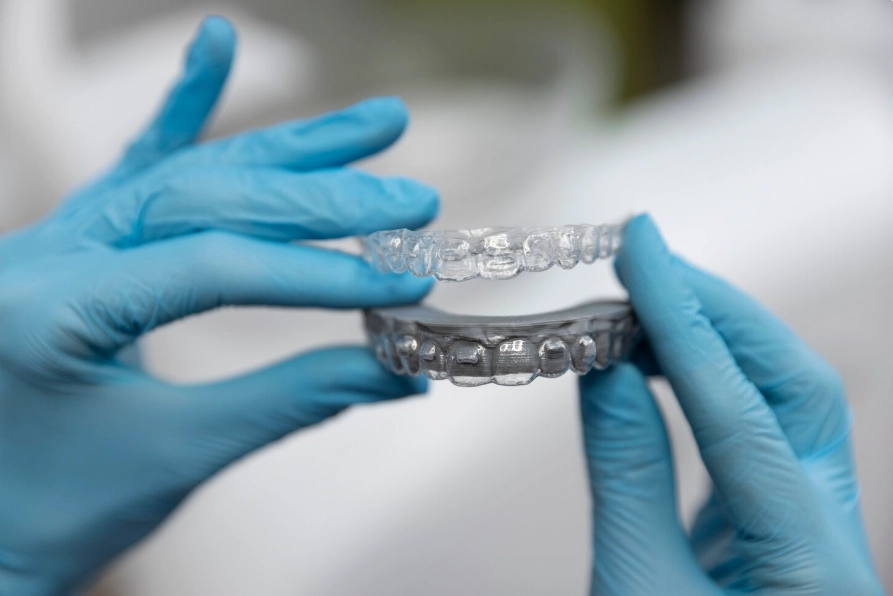
Picking the best mouth guard for sleep apnea requires you to think about the severity of the condition, or the comfort and budget that you have. Mouth guards of various types are in the market. They vary in their nature, some being consumer-friendly and the others being more suitable for professional use.
In cases of sleep apnea with symptoms ranging from mild to moderate, over-the-counter mouth guards are likely to work. Generally, these devices are cheaper and used as-is; that is, there is no need to adjust them to suit a specific mouth. On the flip side, these products do not have the ability to provide maximum comfort or effectiveness as compared to a custom-made product.
Mouth guards that are custom-made by a dentist who also takes an impression of your teeth and jaw are undoubtedly the best of all. The higher safety level and comfort, as well as the effectiveness offered by these devices, are a result of them being perfectly tailored to your mouth. Better results in preventing airway blockage are achieved with a custom mouth guard as it is designed specifically for your unique dental anatomy.
In the case of severely affected individuals, a combination of methods such as CPAP therapy and a mouth guard may be required. It is very important to consult a doctor to come up with an individualized treatment plan based on the condition severity.
How Many Types of Mouth Guards Are There?
| Type of Mouth Guard | Description | Advantages | Disadvantages |
| Custom-Made Mouth Guard | Designed by a dentist to fit the individual’s teeth structure. | Provides the best fit and comfort. The most effective treatment option. | More expensive and requires a visit to the dentist. |
| Boil-and-Bite Mouth Guard | Softened in hot water and molded to the teeth. | Easy to use and more affordable. | Does not offer the perfect fit and can cause discomfort over time. |
| Over-the-Counter Mouth Guard | Available in pharmacies, no prescription required. | Easily accessible and affordable. | May not provide the same fit or effectiveness as custom options. |
| Dual-Action Mouth Guard | Advances the jaw while also repositioning the tongue to keep the airway open. | Improves both jaw and tongue position. | Typically more expensive and may be harder to fit properly. |
One principal difference among mouth guard varieties is characterized by different features and advantages. The most common types are enumerated as follows:
- Custom-Made Mouth Guards: Dentists take molds of your teeth and jaw to make these products. They have the closest fitting and are very effective in solving both sleep apnea as well as bruxism (teeth grinding).
- Boil-and-Bite Mouth Guards: These are semi-custom models that are heated in hot water and then adapted to the contour of the user’s teeth. Though less accurate than custom-made devices, they are a less expensive alternative for mild to moderate sleep apnea.
- Over-the-Counter Mouth Guards: These are the ready-to-use instruments that have a one-size-fits-all design as their main feature. They are quite cheap but probably will not offer the same level of comfort or effectiveness as the mouth guards with custom options.
- Dual-Action Mouth Guards: These gadgets won’t only alter the jaw’s location but will also disengage the tongue, thus allowing the air to flow even faster into the lungs. They are particularly appropriate for those who suffer from both obstructive sleep apnea and tongue-based airway blockages.
Whether they weigh more in the pros or in the cons, each type of mouth guard can be of use, depending on the preferences of the user as well as the severity of apnea.
Can a Mouth Guard Help with Sleep Apnea?
Without a doubt, the use of mouth guards is among the most successful methods for treating sleep apnea when the ailment is mild or moderate. By acting on the repositioning of the jaw and on the airway, which is kept open, the use of a mouth guard makes the period of apnea very short, in which breathing is temporarily stopped. Therefore, better sleep and less daytime tiredness, along with better users’ overall health, are the outcomes.
A mouth guard is a device that pushes the lower jaw slightly forward, thus preventing the tongue and soft tissues in the throat from blocking the airway. This easy, non-invasive tool can mean a big rise in the quality of sleep and lessen the severity of sleep apnea symptoms.
Still, it must be realized that a mouth guard may not necessarily be a complete answer to any severe sleep apnea problems. Additional uses of CPAP or other therapies may be found in this context. The involvement of a healthcare practitioner to sort out the most relevant solution for the particular ailment is vital.
Sleep Apnea Mouth Guard for Teeth Grinding
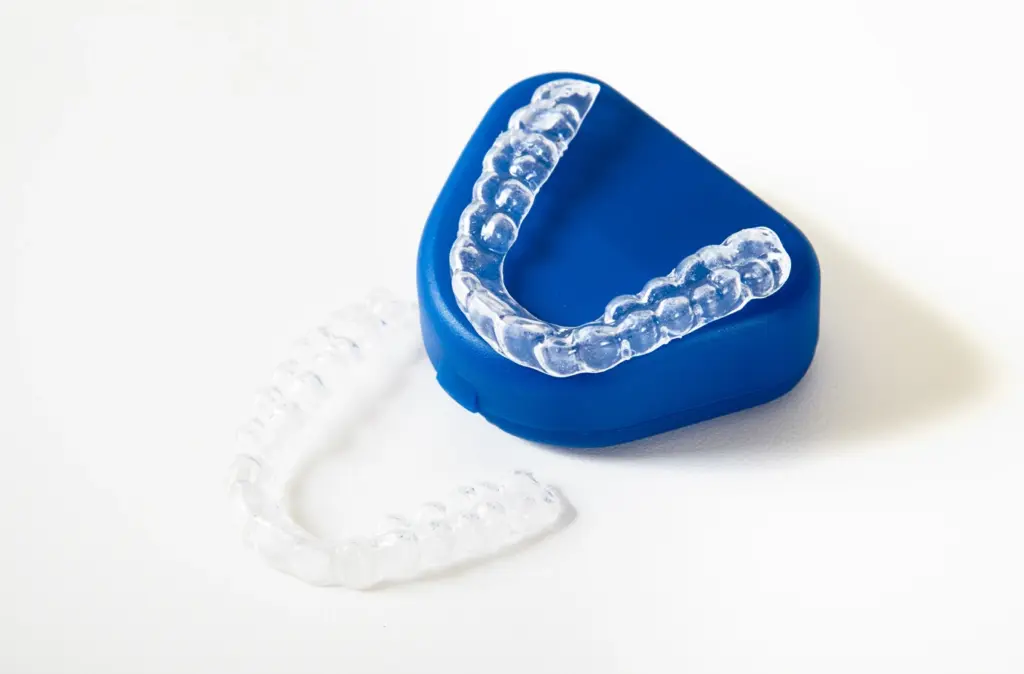
Typically, patients with sleep apnea also with bruxism, which is a condition of teeth grinding and clenching during sleep. It is caused by a nightmare in the orofacial region, where the head suffers, and the teeth break gradually. A mouth guard for sleep apnea, which is intended for teeth grinding, can thus be a solution to related problems at the same time.
The mouth guard can be a solution to teeth grinding through establishing a protective barrier between the upper and lower teeth. Also, the guard might relax tricky parts in the jaw muscles, thus they tend to relax, and hence the occurrence of problems like jawache or headache goes down, which also means the patient gets a prolonged relief from grinding episodes.
It is logical to assume that when both sleep apnea and bruxism are present at the same time one device that is an optimal solution, as it is a sleep apnea mouth guard which can improve sleep quality and protect the teeth, as well as relieve the jaw nightmare caused by bruxism.
Will a Mouth Guard Help with Sleep Apnea?
In a majority of cases, people suffering from mild to moderate obstructive sleep apnea can see significant improvements after the use of a mouth guard. By aligning the jaw and avoiding the collapse of the airway, the mouth guard not only reduces the number of apnea events but also greatly increases the airflow during sleep. The result is that deep and stable sleep is reached, which in turn elevates the level of daytime alertness and general well-being.
Still, the use of a mouth guard is not a guarantee of a total cessation of sleep apnea, and it is a great relief for a large number of individuals. It should also be pointed out that the effectiveness of a mouth guard depends on the severity of the disease. In severe symptoms, along with the oral device, medical practitioners may also recommend CPAP therapy and other interventions such as surgery and non-surgical treatments as part of the treatment plan.
Where to Buy a Sleep Apnea Mouth Guard?
There are several locations to get hold of a sleep apnea mouth guard, such as:
- Dental Clinics: Dentists here can make a custom-fit mouth guard for you using a procedure that is uniquely designed for you. Most of the time, this is the best option because the guard will be made according to your dental and jaw anatomy.
- Online Retailers: Various websites offer custom and standard sleep apnea mouth guards. Checking customer reviews and certification is always recommended to guarantee the product’s quality.
- Pharmacies: There are pharmacies that may offer some over-the-counter mouth guards that can be used for sleep apnea. Nevertheless, the adjustability and effectiveness of such products are very limited compared to those made by a dentist.
Who Should Consider a Mouth Guard?
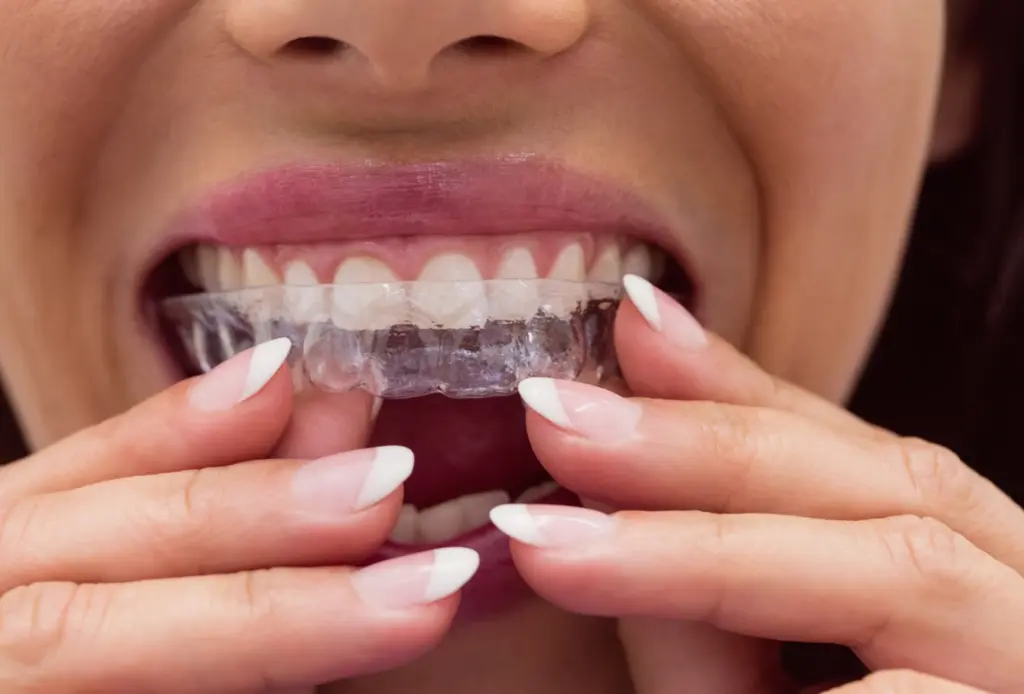
Mouth guards fit well with the needs of individuals with mild to moderate obstructive sleep apnea. They are substantially productive for those who:
- Snore loudly
- Rouse themselves from sleep with tiredness or without restlessness
- Experience difficulty in using CPAP therapy
- are seeking a non-invasive treatment option
On the condition of being either diagnosed with sleep apnea or being a suspect of it, it is very necessary that you make an appointment with a healthcare provider. This step would help you to know if a mouth guard is the type of therapy that suits you best. The dentist or a sleep specialist can give you guidance as well as confirm to you that the treatment you are undergoing is the most appropriate one for your case.
Conclusion:
One of the non-invasive sleep apnea mouth guards is a relief, an effective, non-invasive solution, for individuals, as it works to reorganize the jaw, to open up the pathway, and to facilitate airflow during sleep. Though it may not be in all cases, it will be a great sleep quality enhancer, snoring reducer, and a source of comfort from additional symptoms like tiredness and irritability. Thus, in case you are a sleep apnea suspect and are contemplating various treatment approaches, it would be worth considering a mouth guard for the enhancement of your sleep and general health.
References:
- American Academy of Sleep Medicine (AASM). (2021). Obstructive Sleep Apnea. Retrieved from https://aasm.org
- National Heart, Lung, and Blood Institute (NHLBI). (2020). Sleep Apnea. Retrieved from https://www.nhlbi.nih.gov
- Lee, K. (2020). The Use of Mandibular Advancement Devices in the Treatment of Obstructive Sleep Apnea. Journal of Sleep Medicine, 15(4), 34-39. https://doi.org/10.1002/jsm.58
- American Dental Association (ADA). (2019). Mouthguards and Sleep Apnea. Retrieved from https://www.ada.org
- Alon, Y., & Lee, W. (2018). The Efficacy of Dental Devices for Sleep Apnea. Dental Sleep Medicine, 10(2), 102-107. https://doi.org/10.1016/dsm.18
FAQ About Mouth Guard Help with Sleep Apnea
Mouth guards fitted well will not cause sleep apnea. Instead, the wear is meant to cure the ailment by ensuring unobstructed breathing. On the other hand, a wrongly fitting mouth guard can make the symptoms worse; thus, it is very important to have a device that fits perfectly to your requirements.
Cleaning a sleep apnea mouth guard consists of rinsing it very thoroughly with warm water after each time you use it. Also, you can take a toothbrush and mild soap and clean it. It is a must to disinfect the mouth guard with a special cleaning solution frequently to keep it free from bacteria and debris.
Mouth guards are the first thing to use for persons with mild or moderate sleep apnea, who snore heavily, and suffer from grinding of their teeth during sleep. The mouth guard is highly effective for people who are difficult to treat with CPAP or are looking for a non-invasive method.
A mouth guard is actually for people with sleep apnea, and you are allowed to wear it. Repositioning the jaw and placing the tongue in such a way that it does not obstruct the airway are ways the mouthguard functions to keep the airway open. If you are suffering from sleep apnea, then a healthcare professional is the right person to tell if a mouth guard is the right treatment for you.
The method of using a sleep apnea mouth guard is as easy as just putting it in your mouth before you go to bed. If it is custom-made, it should fit well and be comfortable, so a restful night’s sleep will be possible. Take care of your device following the manufacturer’s directives to be able to keep it in great condition for a longer time.

