


Dental bridges are a phenomenal alternative that not only brings back the teeth that were lost but also the features of the mouth and the beauty of the smile. Besides restoring the sparkle of your smile, a well-adjusted denture bridge will also make it possible for you to eat and talk without any difficulty. Nevertheless, there could be a number of reasons, among which are wear, damage, or changes in the condition of your mouth, which might cause you to consider the issue of unfastening dental bridges and re-attaching them. This short guide will inform you if dentures can be taken off and fastened again, along with an explanation of the causes, process, and how to protect the dental bridge from getting damaged.
What Is a Dental Bridge?
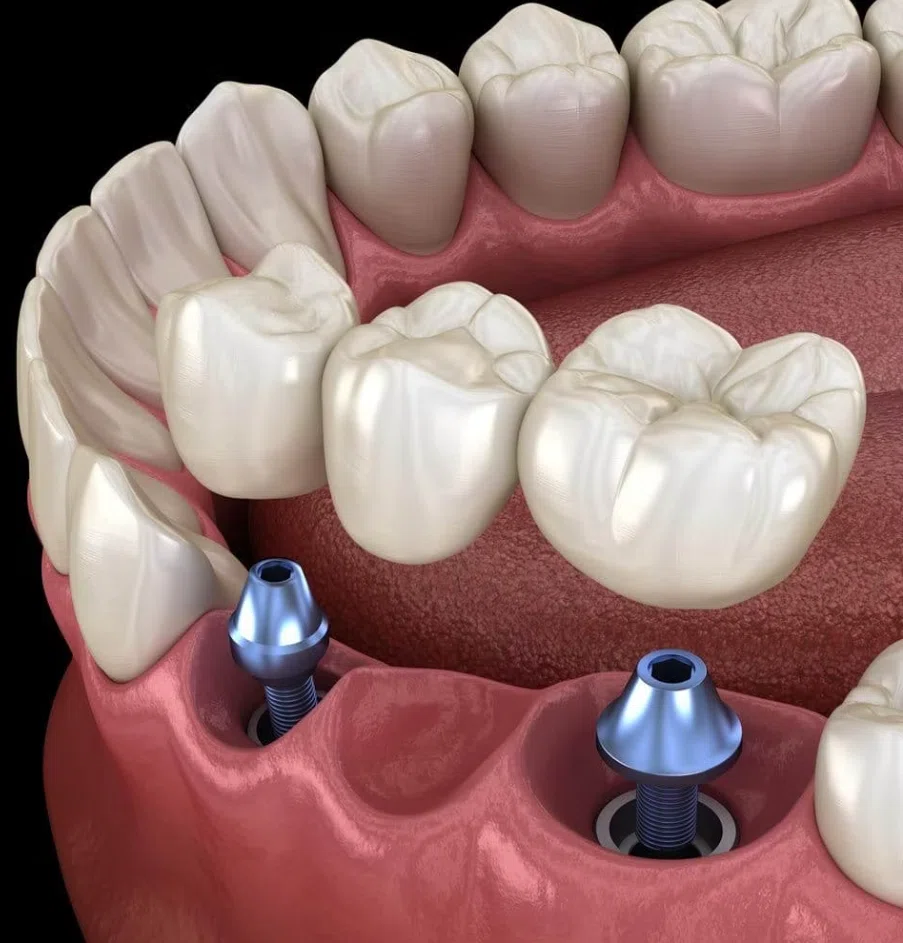
Dental bridges refer to the newly fused teeth with the neighboring teeth to cover the empty space left by the removal of one or more teeth.
Generally, dental bridges consist of two or more crowns, i.e., abutments that are the supporting parts by which the bridge is firmly fixed to the healthy teeth on both sides of the gap and a pontic or artificial tooth is the one that fills the space left by the missing tooth. They may be formed using porcelain, gold, or a mixture of both.
In addition to traditionally constructed artificial teeth that are supported by natural teeth, there are four types of bridges classified according to the dental condition of a patient. Each of these has its benefits. These are fixed bridges, cantilever bridges, Maryland bridges, and implant-supported bridges.
Can a Dental Bridge Be Removed and Re-Cemented?
Bridges are fixed and hence a patient cannot take them off. Furthermore, however, a dental doctor may remove a dental bridge in the case of a repair or to access the area under the bridge for treatment. When dental bridges do not fit properly or have become loose, then these bridges may be removed and re-cemented after some dental work for proper adjustment is done. The dentist, first of all, will identify the cause of the problem that results in the loosening of the dental bridge and then proceed with the extraction. A new one will then be made to fit your mouth perfectly according to the impression of your teeth once the bridge is taken off.
Generally, as a part of the appointment, the dentist will confirm that the bridge is compatible with the bite, make the necessary adjustments, give you a guide on using the dental bridge, etc. Meanwhile, these good habits: brushing twice a day, flossing, and going for a routine dental check-up are really important in preventing decay, gingivitis, or any other diseases that can influence the bridge. Also, in fact, if the removal of a dental bridge is needed, this can be accomplished in a safe way, and if a recementing is needed, a dentist can do it for you.
Usually, the condition of a bridge being loose triggers factors like these:
- Decay or damage to the abutment teeth
- Changes in the fit of the bridge
- Wear and tear over time
- Inadequate bonding
If your dental bridge gets loose or causes you discomfort, a dental check-up is necessary to find out the cause. Proper care and function of your bridge will be possible for a long time with the right maintenance.
Why Would a Dental Bridge Need to Be Removed?
Reasons behind a dental bridge removal are diverse:
1. Decay of the Abutment Teeth
The abutment teeth, which anchor the bridge, can sometimes develop cavities or decay. If the situation is prolonged, this decay may even affect the supporting teeth of the bridge, turn the bridge is detached be detached. So, the dentist, after dealing with decay issues, removes the bridge and then cements it again.
2. Wear and Tear
Dental bridges, like all restorations, have the potential of going on for a long time of ‘wear and tear’; they are not resistant to wear from the food particles, plaque buildup, or everyday usage. In this event, it becomes necessary for the dentist to remove the bridge, perform a deep cleaning of the bridge, and recement it properly to ensure its functionality.
3. Change in the Fit
The fit of a dental bridge can be affected by changes in things like your teeth, gums, or jaw. Pointing to time, the gum line may recede or the way your bite changes, which in turn, may cause discomfort and loosening of the bridge. When this happens, your dentist is the one to decide whether he needs to change, adjust, or re-cement the bridge.
4. Bonding Failure
Usually, the glue (cement) that is the main part of the bridge slowly loses its power due to aging. When there is a bonding failure, the bridge can be either detached or moved to a different location. So, the dentist is allowed to take the bridge off and put a new bonding layer which will reactivate the function of the bonding material.
Process of Removal and Re-cementing a Dental Bridge
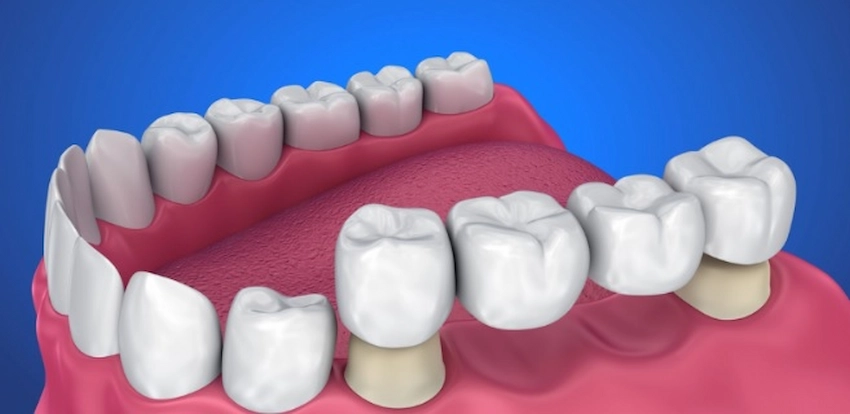
The process for the disassembly and the re-cementing of a dental bridge is a step-by-step one and usually lasts these steps:
- Initial Examination: The decision of the dentist about the bridge will be made after the inspection and the necessity of the removal. The doctor will check for tooth decay, gum disease, or any change in the bridge’s structure.
- Bridge removal: With the assistance of a few instruments, the dentist is capable of unfastening the bridge from the patient in a very simple and efficient way without causing any harm to the patient. The separation of the bridge and the supported teeth is performed in this process, while if there is a release, some gentle pressure will be needed.
- Cleaning and Preparation:The dentist will take out the bridge, clean the supporting teeth to get rid of the plaque, tartar, and bonding material. In case the abutment teeth are rotten or damaged, the dentist will treat the issues and then re-cement the bridge.
- Re-cementing the Bridge: The treatment of abutment teeth followed by cleaning will facilitate the introduction of the dentist in the procedure by placing a new layer of dental cement or bonding material. Careful positioning of the bridge and allowing the bonding to dry will be done.
- Final Adjustments: The dentist, who will do the re-cementing, will find out through the examination of the degree of the bridge and will continue making other necessary adjustments for the comfort of the bite and the proper alignment of the bridge.
How Long Does a Re-cemented Dental Bridge Last?
It is uncertain how long a dental bridge that has been re-cemented can still be adjusted, and this time depends on the bridge, the condition of the teeth that support it, and the way the bridge has been cleaned. Usually, a dental bridge ought to function properly for a least amount of time of five years to a most of ten years. As well as being effective for the duration of the dental bridge, both periodontal treatment and correct oral hygiene will also contribute to the maintenance of your natural dentition.
Benefits of Re-cementing a Dental Bridge
- Cost-Effective: Mainly in the re-cementing process, the Money is saved as the work is usually less expensive than the replacement of the whole bridge, thus, a more economical option for the patients is created.
- Restored Functionality: Simply by re-cementing a dental bridge, its complete function can be brought back. The patient is able to eat, speak and smile as before without hesitation.
- Preserved Aesthetic Appeal: Due to the aid of re-cementing, a patient can proudly present his/her grin without having to undergo the process of a new dental bridge. Simply put, the aesthetic advantages of your dental restoration have been maintained.
When Should a Dental Bridge Be Replaced Instead of Re-cemented?
Even in situations where recementing is regarded as the best solution, a new bridge still remains an alternative to fall back on. The first alternative only happens in such cases as severe damage or cracks (that weaken the whole structure); it is more practical to be replaced than recemented. Apart from that, if there is extensive decay in the abutment teeth and these teeth are too weak to support the bridge, then a new one will be the only way out.
- Severe Damage or Cracks: How replacement or re-cementing should be done as the best option depends on the degree of damage, cracks, and protrusions in the bridge.
- Advanced Decay in the Abutment Teeth: The new bridge option will be taken into consideration only when the abutment teeth are so heavily decayed and unrestorable.
- Long-Term Wear: Normally, as time goes by, it is a process where the bridge is getting worn out and is no longer able to be used effectively. In these cases, total replacement of the bridge is the most often suggested option.
Maintaining Your Dental Bridge
These are the ways you should follow to maintain your dental bridge in good condition and to prolong its life:
- Regular brushing and flossing: Other than the bridge cleaning, brushing twice a day and flossing at least once daily, as a minimum, are the main factors in keeping the gums and the rest of the teeth around the bridge healthy.
- Softening of Hard or Sticky Foods: Any hard or sticky food can break your bridge but also make it from your mouth with less force.
- Dental Visits: Always make sure that you have dental appointments not only for your bridge but also for the surrounding teeth. In this way, you will be a step ahead in detecting any problems before they become bigger.
Conclusion: Lema Dental Clinic and Dental Bridges

At Lema Dental Clinic, we pride ourselves on making and providing dental bridges that meet and exceed the expectations of our patients. The competent personnel performing your dental restoration are always accessible for your assistance from the initial consultation till the time of re-cementing or replacement, so that you would get the maximum duration of your dental care. We keep up with the most recent technical innovations and materials so as to never fail in our mission of providing you with the perfect smile, both functionally and aesthetically.
If the thought of having a dental bridge crosses your mind or you are wondering how to maintain yours in the best possible way, then do not hesitate to contact Lema Dental Clinic. We are not only cost-effective with the highest quality of care, but more importantly, we are the results that will keep your smile for a long time.
References
- Kwon, Y. D., & An, S. J. (2020). Clinical Outcomes of Dental Bridges: Review of Material Choices and Procedures. Journal of Prosthetic Dentistry, 125(4), 478-483.
- Griffiths, J. R., & Lang, B. C. (2018). Restorative Treatment of Missing Teeth: Dental Bridges and Implants. Journal of Dental Research, 97(2), 150-157.
- Shah, N., & Singh, K. P. (2019). Managing Dental Bridges: A Comprehensive Overview of Care and Maintenance. British Dental Journal, 226(3), 141-146.
- Petersen, P. E., & Saeed, Z. (2017). Preventive and Restorative Dentistry in Prosthodontics. International Journal of Prosthodontics, 30(1), 43-49.
- Fleming, P. S., & Eliades, T. (2016). Longevity and Maintenance of Dental Bridges: Clinical Insights and Patient Guidelines. European Journal of Oral Sciences, 124(1), 54-59.
Frequently Asked Questions About Dental Bridges
A dental bridge must be replaced when the abutment teeth are so badly decayed that the bridge is either cracked or damaged excessively. In addition, replacement is needed if there is a tear or wear with time in the bridge and thus it can no longer be used.
On average, dental bridges made of porcelain fused to metal and zirconia are designed to last from 5 to 15 years. Keeping good oral hygiene and visiting the dentist regularly are the main ways of maintaining the longevity of the dental bridges.
Definitely, a dental bridge can be re-cemented if it is loose, and an adjustment is necessary as well. The bridge can only be re-cemented without problems if all the teeth for support are in good condition for the re-cementing.
Actually, the dentist would first want to see the patient’s mouth before placing the dental bridge to figure out the health of the teeth and gums, the condition of the remaining teeth, and whether these teeth can support the bridge. Well, this may have a lot to do with the reason why the bridge lasts for a long time.
If you are going to take good care of your dental bridge, brushing, flossing, and using mouth rinse daily are a must. Also, do not eat hard and sticky foods and take the comfort of the bridge in your mouth for granted.

