


Baby teeth vs. permanent teeth: Parents start to picture the future smile of their children right after a child’s first tooth comes out. Only the knowledge about primary versus permanent teeth will be helpful not only in the care of the teeth in the early stage, but also while the growth is being taken into account, the problems are being recognized, and the oral health is being promoted. Besides their similar appearances, baby teeth as well as permanent teeth differ vastly in their function, their structure, and the way they are handled.
What Are The Reasons That Make Baby Teeth So Different From Permanent Ones?
Baby teeth vs. permanent teeth differences are mainly related to their functions and longevity. Baby teeth or primary teeth are first and foremost temporary as well as being the standard from the age of six months and permanent teeth are for a lifetime.
Primary teeth are not only smaller and whiter but also they have less enamel. At the same time, their roots are shorter and more fragile, therefore, the adult teeth can easily push them out as they grow through the gums. Compared to baby teeth, permanent ones are bigger in size, lighter in color (due to a higher concentration of dentin), and stronger for chewing and biting throughout a person’s entire adulthood.
Timing of Baby Teeth vs. Permanent Teeth Eruption
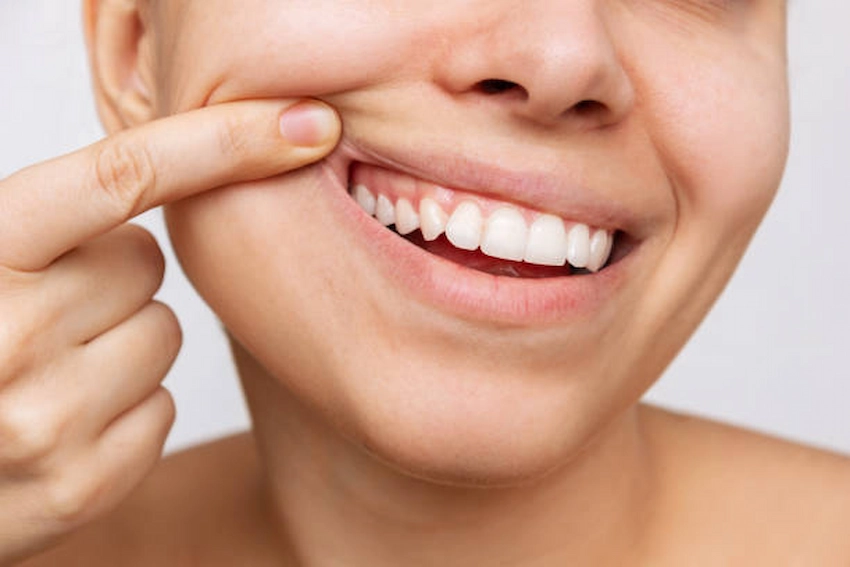
Pondering over baby teeth to permanent ones the factor of timing cannot be undermined. By the time the child is two years old, he/she will have twenty primary teeth (the first set of teeth), which usually come out all at once. Between 6-12 years kids lose the deciduous teeth and 32 permanent teeth start to erupt in their place.
Baby teeth vs. permanent teeth: Generally, 6-year-old children are when first permanent molars appear, new teeth are added, not replaced, hence four new teeth come in the back of the mouth besides baby molars. Normally, by the time your offspring enters adolescence, the majority of permanent teeth.
Baby Teeth vs. Permanent Teeth: Why Baby Teeth Still Matter
Most people think that baby teeth are not significant because they will eventually fall out. Nevertheless, in the discussion of baby teeth vs. permanent teeth, it is revealed that both are indispensable. The baby teeth not only maintain normal spacing but also suggest the right place for permanent teeth.
On the other hand, an empty socket which was caused by the decay or trauma of a baby tooth may be the reason for the future misaligned adult teeth. First, through caring for and maintaining healthy baby teeth, we can avoid the development of crowding, orthodontic issues, and speech problems at the stage of growth and development.
Care Differences for Baby Teeth vs. Permanent Teeth
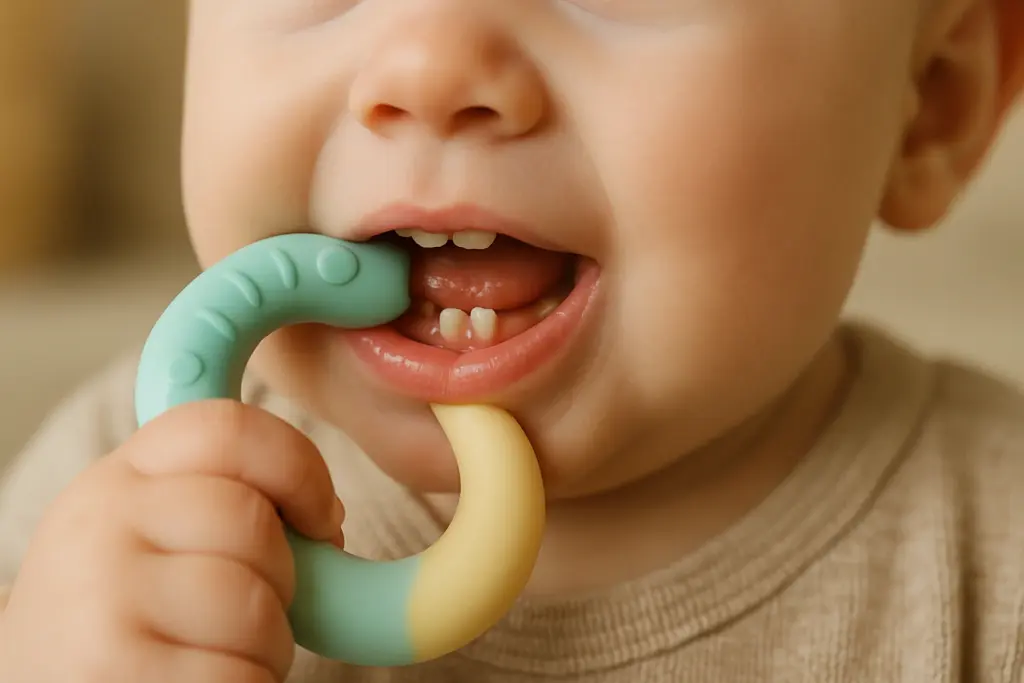
baby teeth vs. permanent teeth: Oral hygiene routines gradually change as kids grow up and that’s why it is imperative to know how to take care of baby and permanent teeth. Baby teeth should be brushed using a child’s toothbrush with fluoride toothpaste and flossing is advised as soon as teeth come in.
In the case of permanent teeth, the deep pits and fissures on their surfaces render them even more susceptible to caries and hence, more careful attention is required in oral hygiene. Among preventive measures, children’s chewing surfaces may be protected by the application of sealants, older children should be instructed on the correct way of flossing, and they must be discouraged from eating sugar snacks.
Which habits were eventually transferred from the baby teeth stage to the permanent teeth maintenance ones, if there was good dental care throughout the baby teeth stage.
FAQs About Baby Teeth vs. Permanent Teeth
Once it is six years, most kids start experiencing the process of shedding their baby teeth and the first ones will be the lower front teeth.
Children initially get 20 baby teeth, while adults usually have 32 permanent teeth.
The enamel of baby teeth is thin and the dentin is of a lower quantity, as a result, the baby teeth look brighter.
Untreated decay in baby teeth that is allowed to worsen can cause infections which affect the permanent teeth that are developing below.
When children develop decay in their baby teeth, those teeth become more sensitive as their enamel is thinner and their roots are smaller. Consequently, the decay can spread at a faster rate.

