


Over the last few years, teeth whitening has been among the top of the list of the most demanded dental treatments. In the blink of an eye, everyone wants to have a shiny and spectacular smile. However, not everybody does not knows when it is safe to lighten their teeth. While teeth whitening may be conceived as an effortless and swift recourse, recognizing that it is not a suitable treatment for kids and teenagers is crucial. The outcome will be much better if the right age and the time to start teeth whitening are identified, and at the same time, the teeth are kept from being damaged.
One factor that is equally important to knowing when it is safe to start teeth whitening is the general knowledge of this process. With Lema Dental Clinic, safe and effective whitening treatments that profoundly change your smile are available, and we are the ones to make you aware of when and how it is done.
Can Teeth Whitening Be Performed on Every Patient?

It is not at all that teeth whitening is regarded as a universal treatment, but it cannot always be suitable for every patient. Certain dental problems, together with lifestyle habits, might render whitening less effective or even cause harm. If you have a condition that makes your teeth very sensitive, then gum disease, cavities, and tooth decay, in your case, the whitening treatments will not be recommended. Besides, these health issues can exacerbate the process and make teeth whitening a more painful procedure or give rise to serious complications.
Before any teeth whitening treatment, a dentist check-up is a must. A dentist assesses your teeth and readily identifies if you are the right candidate for a whitening procedure. If Lema Dental Clinic is what you are looking for, then get a consultation with us to discuss your health conditions and goals, and then decide on the best course of action.
At What Age Should Teeth Whitening Be Performed?
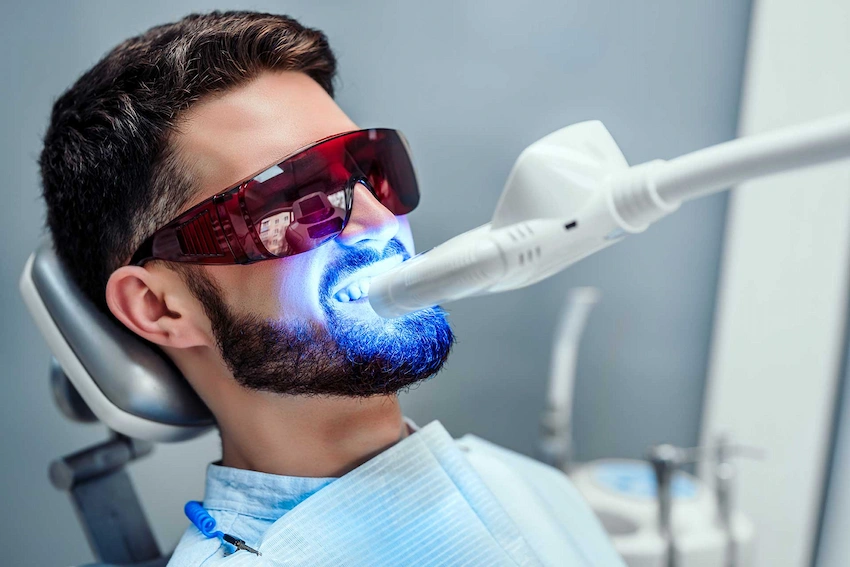
Age is a very significant factor in teeth whitening. As a rule of thumb, it is recommended to start with a whitening treatment after 16-18 years of age, where the development of teeth and gums has been achieved and the enamel is stronger. The main function of teeth whitening treatments is bleaching the outermost layer of the tooth (enamel), so it is very important that your teeth are fully developed before starting such treatments.
The enamel of teeth in younger individuals, especially in those less than 16 years old. The whitening process is likely to damage the softer part of the enamel, and then the victims might have sensitivity and discomfort. Nor are the whitening treatments limited to that, which can cause an uneven color if, in the areas of the enamel, the color is too soft or too thin.
Before going to whitening procedures, a dentist’s consultation is a teenage person or someone under 18 years old. They will assist you in making the right choice depending on whether your teeth are prepared for whitening or not.
Is Teeth Whitening Before the Ideal Age Dangerous?
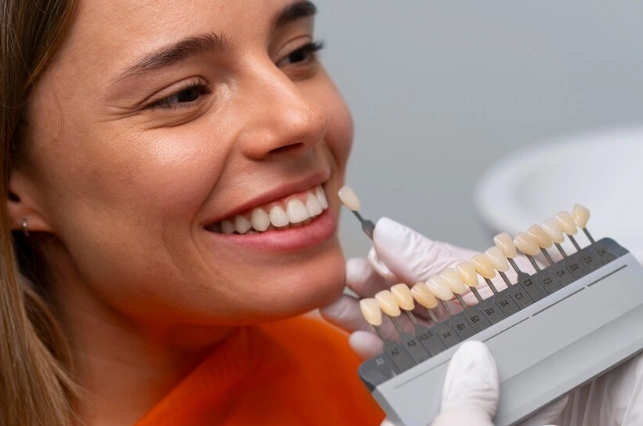
Yes, it can be quite dangerous to whiten the teeth before they are fully developed. Doing a teeth whitening procedure incorrectly and earlier than the recommended age can cause you to be in a situation of tooth damage and increased sensitivity. Younger patients can suffer from tooth enamel damage because their enamel is softer and more porous, which means that the whitening product will be absorbed quickly, thus causing a problem rather than a solution.
The use of whitening products too early may also lead to a patchy or uneven whitening of the teeth, where some spots will be lighter than others. The procedure can be a source of sensitivity and irritation of the gums, as well as other dental issues. The safest and most effective way of whitening is when one waits for the full maturity of the teeth.
Is Teeth Whitening Safe for Children?
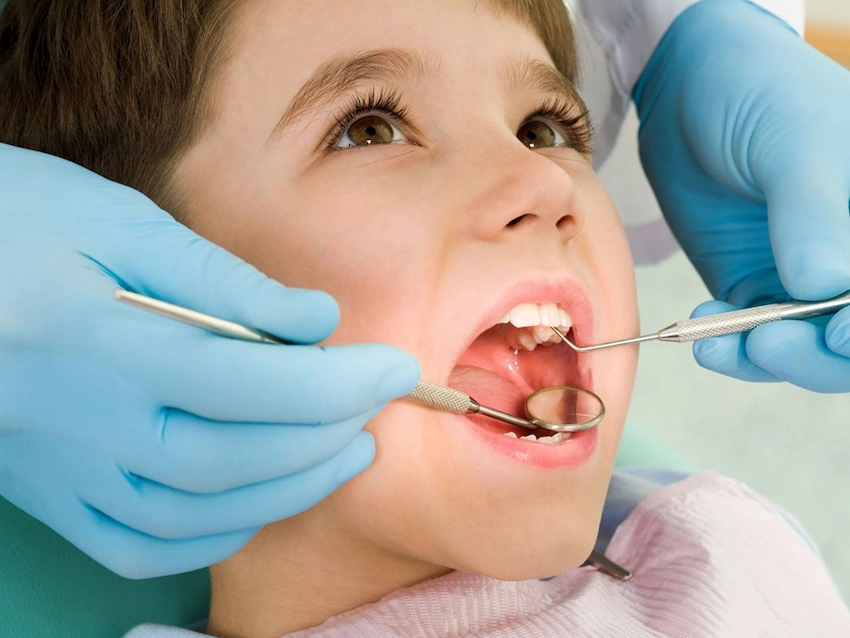
Usually, children’s teeth whitening is not a safe method, which means that in case of kids under 16, the answer is ‘No’. During childhood, kids’ teeth undergo the process of growth; thus, their enamel is significantly thinner and more sensitive as compared to that of adults. Whitening agents placed on kids’ teeth might cause them to experience a bunch of side effects, such as sensitivity, gum irritation, and even enamel damage that might be permanent.
Moreover, kids’ teeth are not only softer but also more porous, meaning that they take up whitening agents a lot faster than adult teeth. Hence, the results of uneven color or over-whitening become possible, which later on can be difficult to solve. If your son or daughter is upset because of his/her teeth, then the first step you have to take is to make an appointment with the dentist to find out about the ways that are safe for their teeth and gums and still give them the desired look.
What Are the Alternative Options for Teeth Whitening in Children?
If the traditional teeth whitening is not suitable for your child, the latter being too young, you can still find other ways to display a brighter smile in your child. Below are several safe substitutes:
- Good Oral Hygiene: An excellent hygiene enshrining the practice of toothbrushing twice a day and flossing on a daily basis, can assist your child’s teeth in staying clean and strong. Good hygiene also acts to prevent the development of surface stains that play a part in the brightening of the smile, which in turn gives a vibrant look.
- Regular Professional Cleaning: Planning for regular visits to the dentist for professional cleanings is a must in the achievement of a bright smile. Professional cleanings take out the major causes of discoloration from the mouth, such as plaque and tartar buildup, which, if left, will eventually lead to the discoloration of teeth over a period of time.
- Whitening Toothpaste: Some whitening toothpastes that are crafted safely for children are quite efficient in the removal of the children’s tooth enamel gently. It is important to note that these toothpastes do not contain strong bleaching agents and thus are generally safe for children. The selection of a toothpaste that has the ADA seal should be the first step in ensuring toothpaste safety for your child’s teeth.
- Dietary Changes: Besides that, to achieve the natural white color of teeth, sugary snacks and drinks must be limited, and the consumption of those that may stain the teeth, such as soda and juice, should be prohibited as well. Along with this, encouraging healthy eating habits among children can not only improve the health of their teeth but also their entire body.
FAQ: At What Age Can Teeth Whitening Be Done?
The teeth whitening is usually the right decision for those aged from sixteen to eighteen years and older, because that is the time when the teeth growth is complete. Significantly, the tooth enamel is adequate in strength so as to be able to undergo a whitening procedure.
The teeth whitening is not a method to be used for kids, especially for those below the age of 16, as their teeth are still in the process of development, and whitening is able to lead to the breakdown of their enamel.
People with sensitive teeth, gum disease, cavities, or worn enamel may not be suitable candidates for whitening treatments. Always consult with a dentist to see if you’re a good candidate.
Brushing with too much force or too frequently can result in your enamel being worn out, which can make your teeth look yellowish. You should brush with care and do it for the recommended amount of time so as not to cause enamel damage.
Brushing only once a day is definitely not nothing, but if one wants to have perfect oral health, the goal should be to brush the teeth twice a day – in the morning and before going to bed. This is the most effective way to keep plaque and stains away.

