Tooth retainers play an indispensable role in the orthodontic treatment process whereby they secure the alignment of teeth after braces. Throughout the whole period of therapy, their preservation is of utmost importance as they help in maintaining dental stability.Many individuals do not realize, however,the disadvantages of retainers for teeth; that is from mere discomfort to the necessity for proper hygiene.
This article aims to talk about the challenges that come with the use of dental retainers, and then it is explained how these difficulties could be dealt with. The strategies of the optimally efficient utilization of the orthodontic treatment will conclude our presentation.
Discomfort and Irritation
One of the disadvantages of retainers for teeth that are usually cited among the retainers’ discomfort is the initial period of adjustment. Wire retainers, the old type of retainers, are blamed for cutting the skin under the tongue (if worn for a prolonged period) and creating an artificial gum line, etc.
Besides, they are the main agents in the realignment process, and consequently, they are the cause of the toothache. Yet, people are only in temporary distress and sooner or later, the discomfort becomes a benefit and can last no longer. However, it is still the application of the long-term retainer in scratchy material that is the issue.
If a person uses clear plastic retainers (like Invisalign) then they can be sure that their retainer is somewhat comfortable because this is a type of retainer that they put on loosely in order to be less noticeable and they won’t feel nearly uncomfortable then. But if the retainer gets dirty, needs repositioning, or is extremely tight, it can still lead to mild pain or soreness of the mouth.
Maintenance and Cleaning Challenges
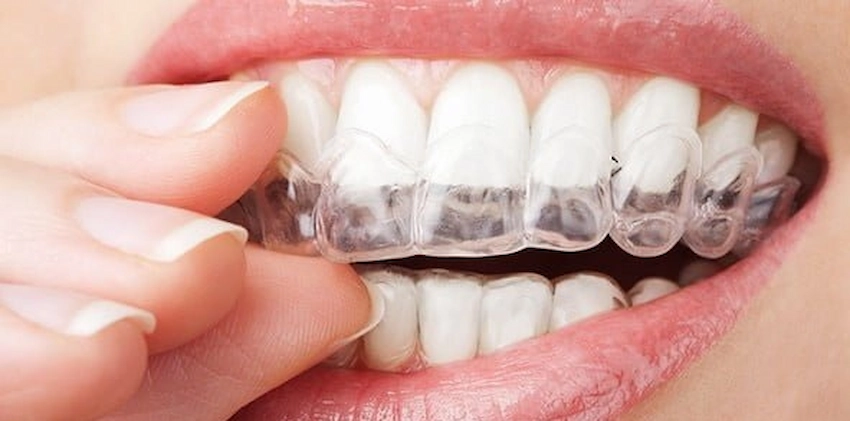
Retainers, unlike braces, are not fixed and hence can be removed easily for the purpose of keeping them clean and preventing them from getting rusty. Nevertheless, the entire burden of keeping the orthodontic retainers bacteria-free is a disadvantage of retainers for teeth.
Retainers may harbor food scraps, bacteria, and even plaque unless they are cleaned regularly, so it is important to clean them regularly. In the long run, the accumulation of bacteria can lead to bad breath, cavities, or gum issues. Clear plastic retainers tend to get cloudy and dirty when not maintained well.
Cleaning the wire retainers, particularly the little spaces between the teeth and wires, is no less than an ordeal. A regular cleaning complied with a special retainer brush and further soaking them in cleaning solutions are your best bet, but this is an extra step to your oral hygiene routine.
Risk of Losing or Breaking the Retainer
The disadvantages of retainers for teeth being small and therefore easily misplaced cannot be overstated. In actuality, having lost or destroyed the part, yes, you will shoulder the cost and the trouble of having a new one eventually made for you, which could, in a nutshell, disrupt your treatment schedule.
If a new retainer is not gotten proper and in time, then it is also a fact that the teeth may take the same positions they were in, which signifies that only a limited part of the effort made with the help of braces will be effective. In other words, the result will be success only in part.
Last but not least it is clear that the retainer, mostly the wired ones, can be easily damaged by some kind of external force, for instance, biting on solid food or the device unexpectedly hitting a hard surface.
Speaking Difficulties
At the very beginning of wearing a retainer, you might find yourself befuddled with speaking difficulties that’s one of the disadvantages of retainers for teeth. A clear plastic retainer can cause a slight problem in pronouncing some sounds and speaking, while wire retainers, by their structure, force some movements of the tongue, thereby hardest sounds can be made.
Although most people get used to their retainer after some time, it is still true that it could take a period of adjusting and studies show that this process normally takes 21 days if one is wearing the retainer full-time.
Long-Term Commitment
Even though the duration of wearing retainers is usually shorter than that of braces, the teeth are still in jeopardy of moving back if retainers are not worn regularly which requires one’s patience in keeping a good habit. Retainers for the night, for example, have a wearing schedule for 2 to 3 years at the most; the total period of wear still depends on the recommendations of your orthodontist.
As the case can be for some people, the coming of a new habit every night might be the most feared event especially if they are comfortable with the situation wherein nothing is in their mouth.
Difficulty with Eating and Drinking
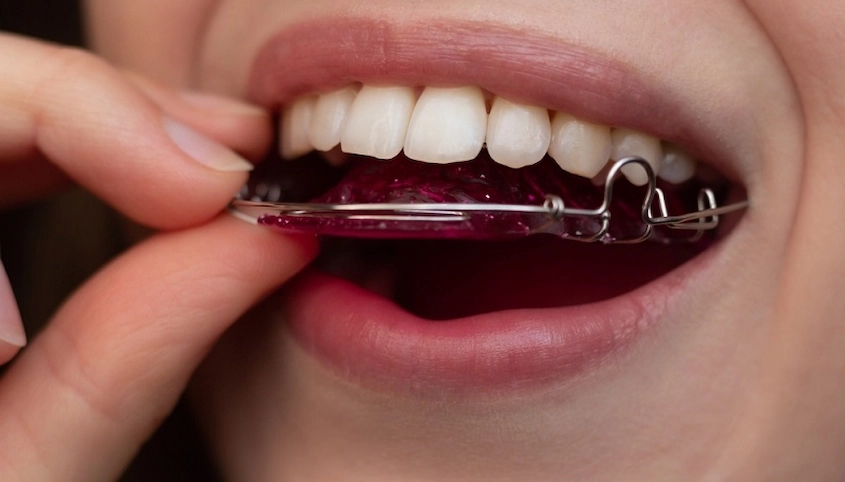
Even though retainers can be easily removable, there are some disadvantages of retainers for teeth. It is not a very good idea to have them while eating the food or having drinks. Small particles of food and drinks can be concealed in the retainer, and they are not only an obstacle but also they become an attractive place for germs.
Furthermore, relatively strong or sticky foods may break or crack the retainer. As a result, the most important thing is to remember to take off your retainer before meals, brush your teeth, and wash the retainer after, which will make the steps to your hygiene routine longer.
Potential Allergic Reactions
Certain retainer wearers have experienced an allergy to the materials that some retainers are made of, mostly wire ones. The metal in steel wire retainers may be a determining factor in the cause of an allergic reaction besides irritation for those individuals who have a sensitivity to nickel or other metals.
If you have developed any sort of skin condition, it is important that you consult a qualified orthodontist who will probably change your retainer type. Allergy might be one of the disadvantages of retainers for teeth.
How to Manage Retainer Dilemmas?
With a little effort on their part and the right care, people can still cope with their retainers despite the accompanying disadvantages of retainers for teeth. In this section are simple tips:
- Commit to Regular Cleaning: Don’t forget to clean your retainer daily by making use of the proper cleaning solutions and brushes. This is a very effective way of avoiding any build-up and makes sure your retainer stays in a good condition.
- Store Your Retainer Safely: Keep your retainer in the case before you go to bed to avoid misplacing it or having it damaged. In addition, never put it in a napkin, since it may be thrown away unnoticed.
- Get Regular Adjustments: Communicate with your orthodontist on a regular basis to make certain that the retainer is fitting and is not the cause of any discomfort. They will fix any problems to prevent any damage and to eliminate any pain.
FAQs About Retainers for Teeth
Yes, when you first wear a retainer or after an adjustment, you may experience mild tooth pain or discomfort. This is normal and should subside as your teeth settle into place.
Most orthodontists recommend wearing a retainer full-time for a few months, followed by wearing it only at night for several years to prevent the teeth from shifting.
It’s best to remove your retainer before eating or drinking, as food can get trapped under it and cause bacteria buildup, leading to potential oral health issues.
You should clean your retainer daily by brushing it with a soft toothbrush and using a cleaning solution designed for retainers. Avoid using toothpaste, which can be abrasive.
Retainers are generally durable but can break if dropped or exposed to too much pressure. It’s important to handle them carefully and store them in their case when not in use.