Swollen gums may appear as a relatively minor problem, but in essence, they are a major red flag. The gums are, as it were, the smile’s foundation. If they are affected, your whole oral health could be at stake.
Even in the case where you simply have gum bleeding while brushing, swelling of the gums, or are not getting rid of bad breath, get the idea and search for the 5 most common reasons for the excess of swollen gums and the appropriate way to reduce each of the five causes. The swollen gums are mindfully listening to you, and you are certainly talking about something that should be rectified.
At Lema Dental Clinic, we combine gentle, modern care with expert diagnostics to get to the root of your gum problem fast. Whether you need deep cleaning, gum contouring, or just a full Hollywood Smile, we’ve got you covered.
What Do Swollen Gums Mean for Your Oral Health?
Gum swelling is a sign of the inflammation in your gums, and the local reaction in the body serves as an acknowledgment of a foreign invader. This point could be the germs shielding from the action of toothpaste and mouthwash, or even a manifestation of the onset of gum disease.
In the event that you are neglecting the swelling of the gums you may confront these conditions:
- Constant bleeding
- Bad breath
- Gum recession
- Loose teeth
- Tooth loss
This is not only unpleasant but it is also agonizing in terms of your pockets.
The swollen gums are an early days’ warning sign. Just as well—once the symptoms arrive, you can fix the issue right away, thus evading any substantial dental work in the future.
1. Poor Oral Hygiene and Plaque Buildup
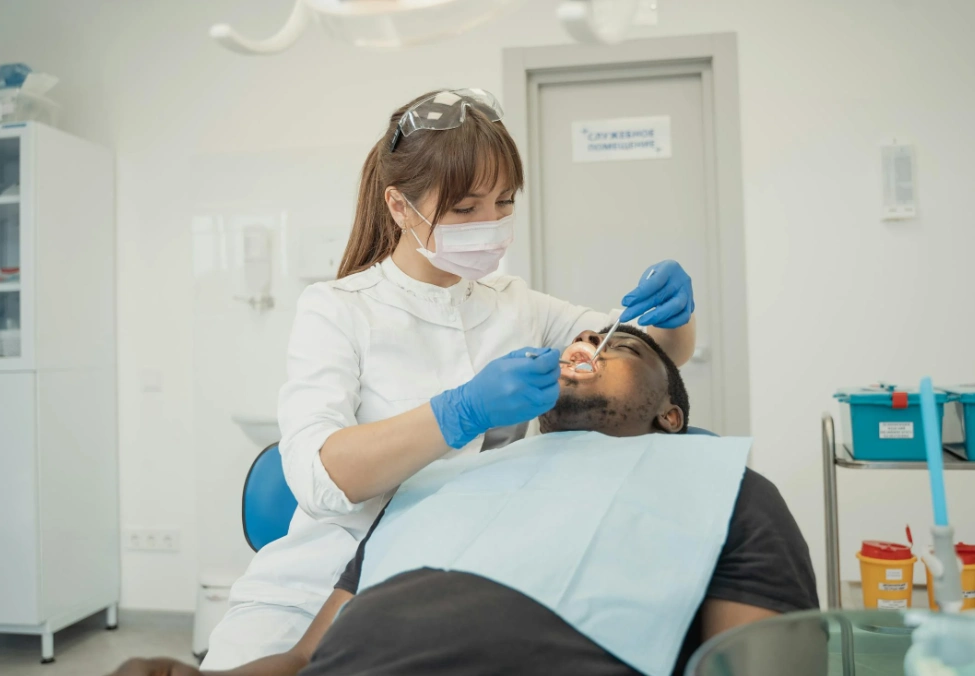
It must be real. Some of us might regard it as nonessential not to perform some brushing or even to skip flossing. Well, no harm could come of it… until your inflamed gums start yelling at you.
Plaque is a keb-like biomass of bacteria. As it congregates near your gum line, it sparks off gum inflammation, and thus your gums increase in volume. Before long, this soft plaque becomes hard and builds on the soft plaque that cannot be brushed off at home.
Common symptoms of gum inflammation are:
- Puffy red gums
- Bleeding while at the dentist or when flossing
- The bad breath being present for a long time
🦷 Fix it: Brush your teeth for a total of 4 minutes daily–2 minutes in the morning and 2 at night, floss every single night, and come to Lema Dental Clinic for a professional cleaning every 6 months. You can be brushing perfectly well yourself, but the dental hygienist can still find places where you miss out and remove the plaque and tartar.
2. Gingivitis and Periodontal Disease
This is the first most concerning thing that could happen to your gums. If you add to the swollen gums the symptoms of bleeding, pain, and an awful smell, it’s possible that you have gingivitis, which is the simplest stage of gum disease. So, it means the disease can advance to periodontitis at this stage, which is when the gums pull away from your teeth.
How it happens:
- The soft, sticky film in our teeth becomes hard
- Substantial accumulation of tartar on the teeth
- Bacteria residing in the pockets created by the separated gums
- Destruction of the hard part and the soft tissues initiates
What you’ll notice:
- Red and swollen gums.
- You may have receding gumlines.
- The late stage would be before the teeth become loose.
🦷 Fix it: At Lema Dental Clinic in Istanbul, we employ procedures such as scaling and root planing to remove the bacteria from below the line of the gums, which will help treat the disease’s symptoms. Moreover, with it being detected in the first stage, gingivitis is completely reversible!
3. Hormonal Changes and Pregnancy Gums
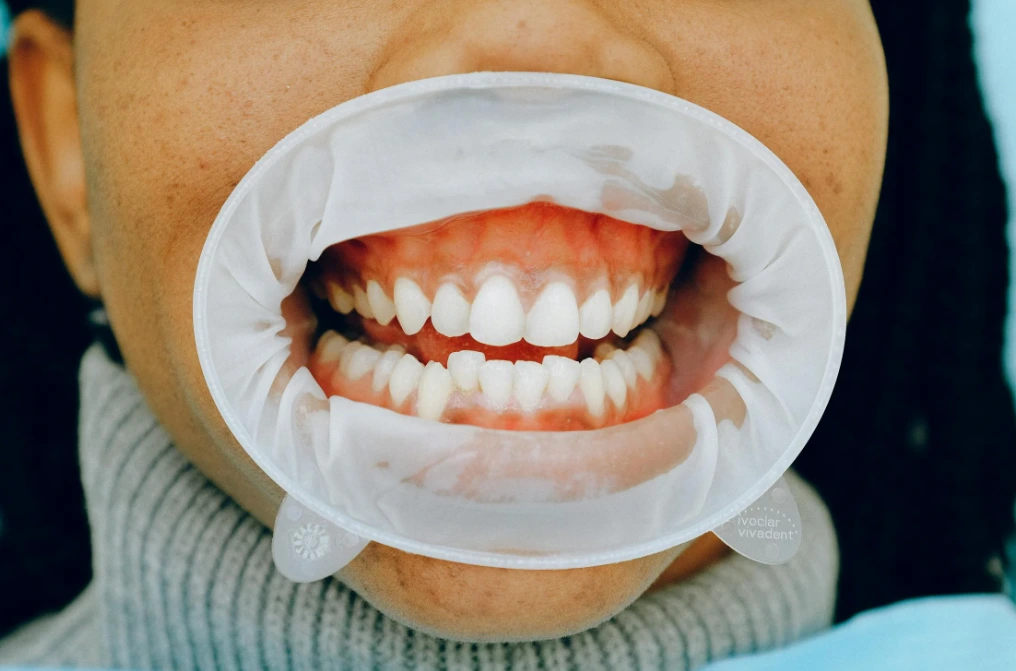
Dear women, the mood thing, which is your hormones, of course, still persists and also it is being felt by your gums, the existence of which cannot be denied. Hormonal changes result in a very vulnerable state of your oral health, especially at the times of pregnancy, puberty, menstruation, or menopause, thus making your gums an easy target for swelling and subsequently, inflammation.,
Because. Both estrogen and progesterone have a direct effect on the blood supply to your gums, causing them to react more strongly even to small amounts of plaque.
What are the indications of this:
- Swollen and reddish gums that appear only during menstruation.
- Bleeding while brushing, which is common in pregnancy.
- Your Gums are sore, but the cause is unclear.
🦷 Fix it: Use a soft toothbrush and keep to a gentle (but steady) brushing and flossing routine. Visit Lema Dental Clinic‘s prenatal dental team to get advice on how to keep your teeth healthy during pregnancy and beyond.
4. Reactions to Dental Products or Medications
Just bought a new toothpaste? Or do the “extras” in the mouthwash that you use irritate your gums? The latter is possible too. Sometimes, substances that are harmful to the mouth, such as sodium lauryl sulfate (a foaming agent) or overly powerful whitening agents, can inflame the gum.
On the other hand, apart from drug treatment, various medications also have an influence on the oral mucosa (superficial growth of the gingival tissues or dryness), which can alter the protective functions of the gum.
What are the signs:
- Strong feeling in the gums.
- Rapid and strong swelling of the gums after using a new product.
- A widened gum line resulting from specific medications.
🦷 Fix it: Give up SLS-containing or toothpaste designed for sensitive teeth or request SLS-free toothpaste. Use an alcohol-free mouthwash. Deal with the formation of the clot and keep it untouched, then if it still grows and becomes an issue, we at Lema Dental Clinic can handle it for you—there we can verify whether your medication is affecting you, and we can direct you to softer meds if needed.
5. Vitamin Deficiency, Particularly Vitamin C
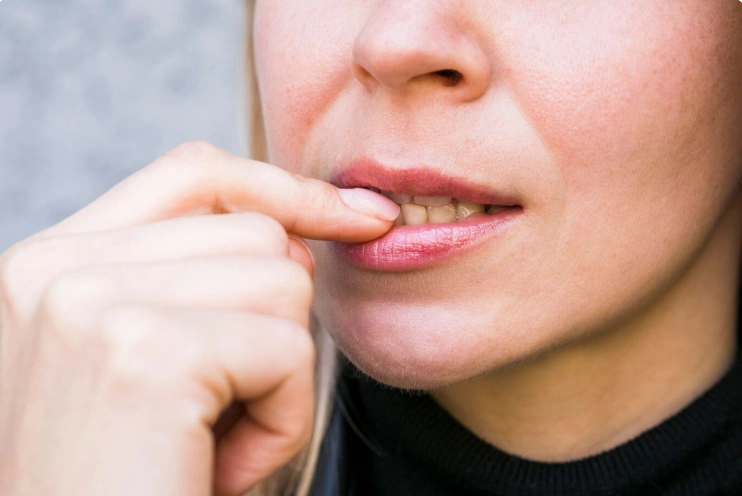
Your diet indeed has a strong potential to influence the health of your gums. One of the most common deficiencies, if any, is Vitamin C; it is said to be the cause of your bleeding or puffy gums. This problem, which is called scurvy, is not just a matter from the old books of pirates’ adventures; it is also being found in today’s world, especially in people with poor nutrition or restrictive diets.
What you should see:
- Gums that bloody very easily
- Dare I say it- gums like jelly, almost purplish
- Sleep and slow wound recovery
🦷 Repair it: Incorporate oranges, strawberries, bell peppers, and broccoli into your meals more frequently, as these are readily available, vitamin-rich foods. If, after all these efforts, your gums still don’t show any signs of recovery, get a full-mouth health check from Lema Dental Clinic.