


Why Dental Health Matters for Kids 🧑🦰
The basis of perfect oral health is formed during the early years. The key to ensuring that your child grows up not only with his dental health but also with a bright smile is really setting dental habits during childhood. A child’s good dental care can go a long way to avoiding issues such as cavities, gum disease, and also misalignment during the future years.
At Lema Dental Clinic in Istanbul, we are committed to the idea of building strong oral health habits from the start. In this post, we will cover the ways to keep the dental health of your child, the common dental problems of children, and the tips of the experts to that end.
🦷 Key Stages of Dental Development in Children
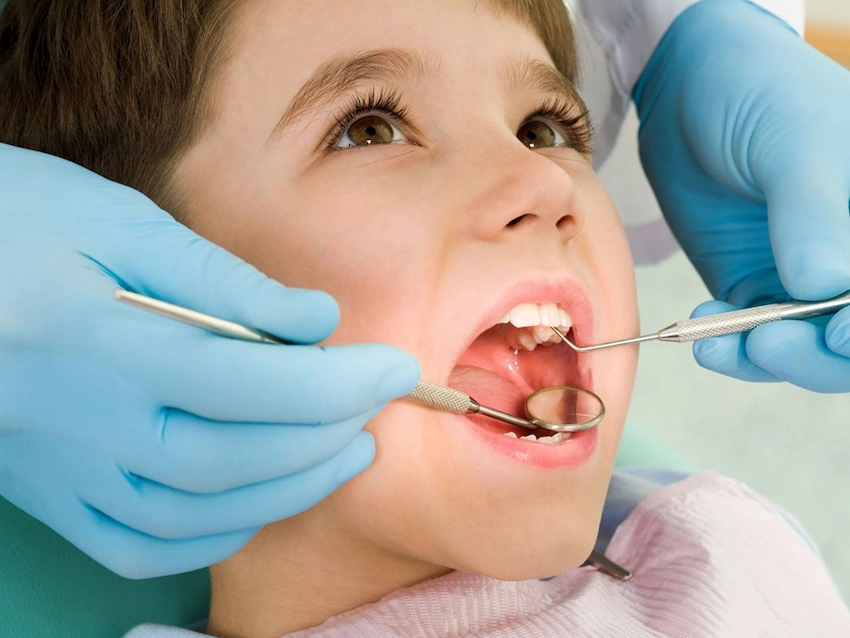
The development of the child is a process of rapid change throughout. It is the same with the dental growth of the child. Below is a list of your child’s dental health milestones.
1. Baby Teeth (Primary Teeth)
Teething of cystals starts at the sixth month of life. These are the early teeth that play an important role because they:
- Help your child to eat and talk.
- Act as place holders for the adult teeth that will come later.
At the age of 3, almost all children have their 20 deciduous teeth. Tooth brushing should be started as early as the eruption of the first tooth in order to keep the teeth clean and healthy.
2. Adult Teeth Emergence
By the time a child turns 6, baby teeth are gradually replaced by adult teeth. In the majority of cases, at the age of 12 or 13 the permanent teeth are complete.
- An important reason to have effective oral hygiene in young children is to prevent baby teeth from having cavities.
It is very crucial to observe the change from baby to adult teeth for any issues such as misalignment and tooth decay.
3. Orthodontic Care (Around Age 7)
It is advisable to plan for a check up with an orthodontist when a child is 7 years old. This helps the parent to:
- Spot the early signs of the incorrect alignment, biting problems or jaws.
- Start prearrangement of the early orthodontic treatment that is planned.
🦷 Common Dental Problems in Children
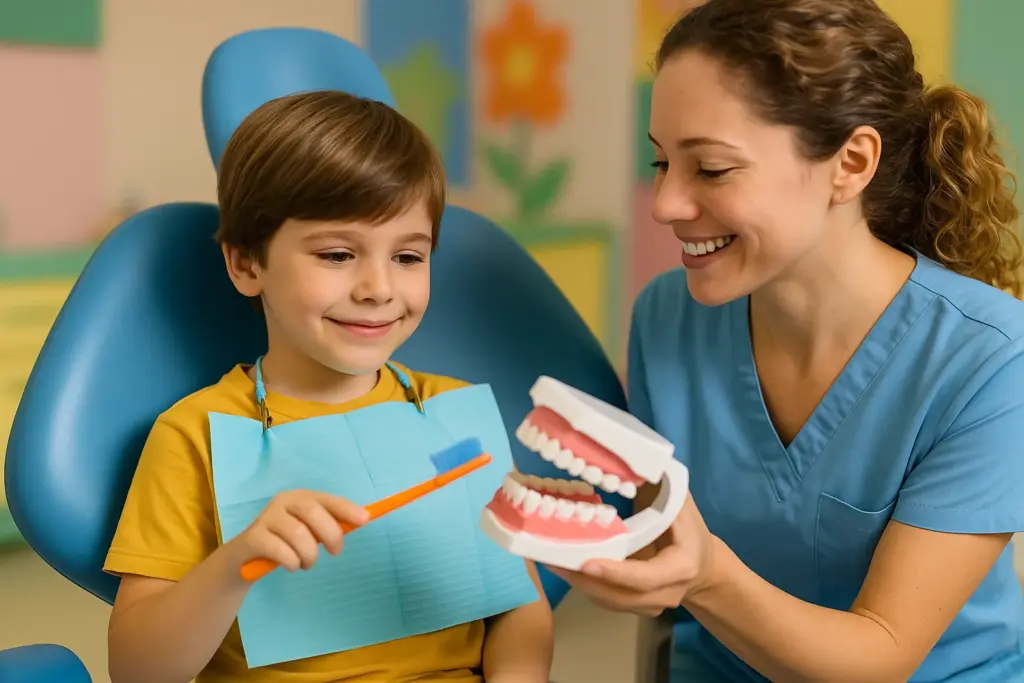
Children, just like adults, can have dental problems. Early symptoms and the right treatment can help to avoid the problem from growing. The most common dental problems in kids are:
1. Cavities (Tooth Decay)
Decay of teeth is one of the most common dental problems that occur in kids. The decay process is made more rapid by the consumption of sugary foods and drinks when the plaque that is a bacteria film eats the tooth enamel.
- Signs of cavities in children: Pain, sensitivity, and visible holes in the teeth.
- Prevention: Regular brushing, flossing, a balanced diet, and fluoride treatments at the dentist.
2. Gum Disease (Gingivitis)
Children can get gum disease as well! It develops as gingivitis where the gums become red, swollen, and bleed easily. It is highly likely that the cause of gingivitis is poor oral hygiene.
- Signs of gum disease: Gums that are swollen, bleeding when brushing, or bad breath that lasts.
- Prevention: Regular brushing and flossing which are a part of good oral hygiene practices.
3. Thumb Sucking and Pacifier Use
Long-term use of a thumb or pacifier may lead to misdevelopment in the mouth of your child. The misalignment of the teeth is one possibility that may occur, or even the jaw shape might change.
- Advice: Support your kid in quitting the thumb-sucking habit before he is 3 years old in order not to have any orthodontic problems coming up later on.
4. Tooth Sensitivity
Youngsters may feel the teeth very sensitive to hot or cold which is so often the case when there are cavities in the enamel.
- Help: Going to the dentist regularly is one of the ways to find out the causes of sensitivity and also the resources for treatment.
🦷 How to Maintain Your Child’s Dental Health: Expert Tips
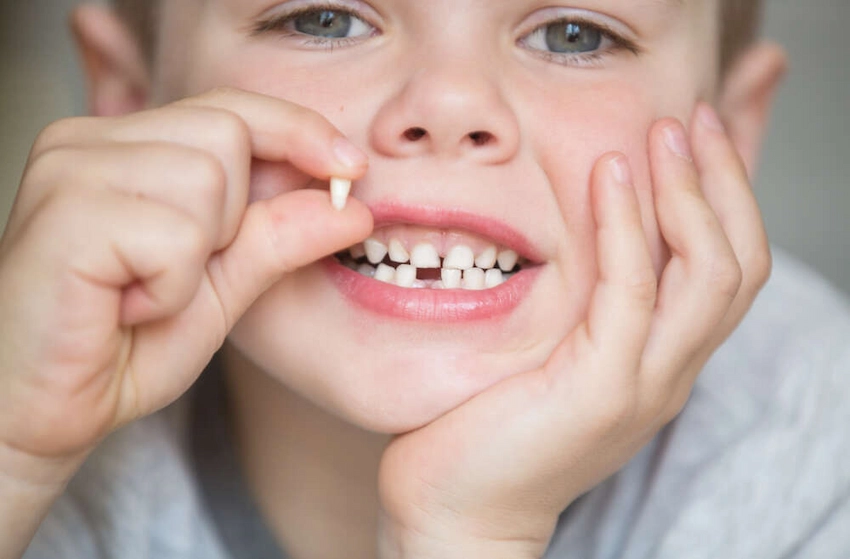
The parent is the main actor responsible for the development of healthy oral habits in the children. The list below is or expert tips for the stomatognathic system health and health care of the gums:
1. 🪥 Start Brushing Early
You should definitely start brushing your child’s teeth the very first time the teeth come out, this is usually 6 months of age. A soft-bristled toothbrush and fluoride toothpaste in a very small amount (the size of a grain of rice for a child below 3 years and the size of a pea for a child above 3 years) is used. Brush two times a day—once in the morning and once before going to bed.
Lema Tip: Do not forget to brush in small circles and do it softly. Also, make sure that you clean all surfaces of the teeth and gums.
2. 🧵 Floss When Teeth Touch
Once your child’s teeth begin to touch each other (typically at the age of 2-3) you should start flossing daily right away. This process helps in taking away the plaque and food that are left in between the teeth which the toothbrush cannot reach.
Lema Tip: Let your child use floss picks which is a very good method and it is comfortable for the younger children when they are flossing.
3. 🍏 Encourage a Tooth-Friendly Diet
Feeding your child a balanced diet is an easy route to his oral health. The intake of fruits, vegetables, dairy products, and lean proteins will also keep the teeth strong but on the other hand, sugary snacks and drinks will make it possible for caries to develop. Ways to facilitate good nutrition are:
- Make available whole fruits and veggies that contribute to teeth cleaning in a natural way.
- Render dairy products such as cheese that is very rich in calcium for strong enamel.
- Replace sugary snacks and beverages which are the main source of plaque buildup.
Lema Tip: If your kid gets hold of sugary snacks, make sure he/she is drinking water and brushing the teeth right after that.
4. 🦷 Visit the Dentist Regularly
If not done before the age of 1 then by 6 months after the first tooth eruption, a child’s first dental check-up should be scheduled. Subsequently, the visits detect the dental problems early and the treatment of any issue before becoming serious is then ensured.
- At Lema Dental Clinic, we are always recommending every six months for the routine checkups and cleanings.
- In order to avoid cavities, fluoride treatments along with sealants may also be suggested.
🏥 Why Choose Lema Dental Clinic for Your Child’s Dental Care?
In Lema Dental Clinic, Istanbul, we do nothing but provide children with the gentlest and most efficient care solutions regardless of their ages. The satisfactory is for the following reasons that make Lema stand as the best option for your child’s dental health:
- Professional Pediatric Dentists: Our team is not only friendly and specially trained to take care of kids but also to make the whole dental experience fun and comfortable.
- State of the Art Technology: We employ the most up-to-date devices for precise and safe treatments.
- Comprehensive Services: We provide a complete range of dental services for children, including preventive care and orthodontic evaluations.
- Compassionate Care: We empathize with the fact that a dentist’s visit can be a source of stress for children; therefore, we have a relaxed and friendly environment.
Your child’s first dental visit should be by age 1, or when their first tooth erupts, whichever comes first.
Encourage brushing twice a day with fluoride toothpaste, flossing daily, and limiting sugary foods. Regular dental visits will also help prevent cavities.
Yes, it’s normal for children to have gaps between their teeth as their teeth grow and develop. However, the dentist will monitor these gaps for any signs of alignment issues.
Teeth grinding (bruxism) is common in children, but if it continues, a nightguard may be recommended to prevent damage

