


Let’s Talk About Plaque and Gums 🦷
Everyone knows that brushing and flossing are vital to keeping our teeth clean but when plaque accumulates on your teeth and gums, what is the effect? 🤔
The plaque is a film of bacteria that sticks to your teeth and gums after eating and drinking. If not removed, the plaque can develop into tartar (which is a hard substance that only a dentist can remove) and cause gum disease, dental caries, and loosing of teeth.
Luckily, the buildup of plaque is totally avoidable! Through the right routine, you are able to have a healthy oral cavity and keep plaque at bay. This blog gives you the opportunity to delve deeper into the formation of plaque, learn the best ways to prevent plaque buildup, and benefit by the tips given by Lema Dental Clinic in Istanbul for a smile that is not only healthy but also beautiful. 🪥✨
🧠 What is Plaque and How Does It Affect Your Gums?
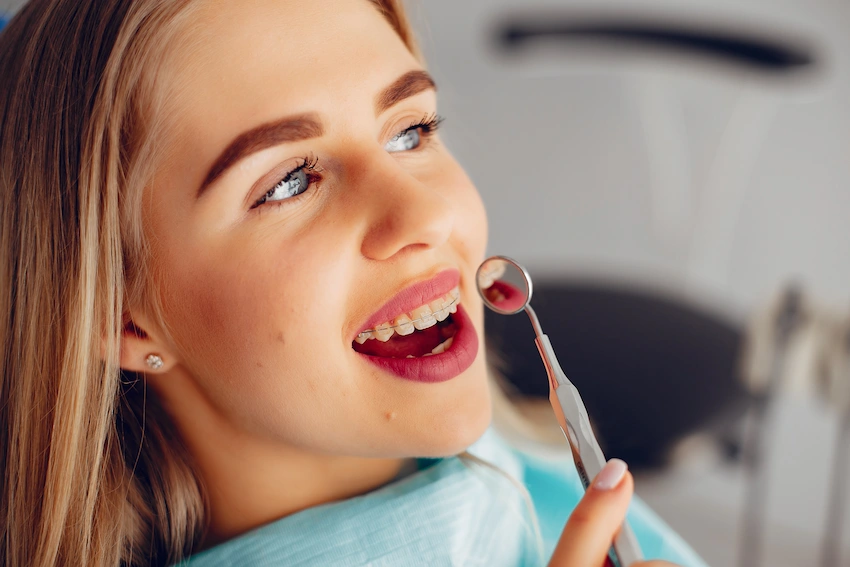
Plaque is a soft and sticky substance made of bacteria that is always forming on the surface of your teeth. If plaque isn’t taken off by regular brushing and flossing, it turns into tartar, which is a whitish deposit that can only be removed with professional cleaning. This progression can eventually result in gum disease, a group of diseases that includes gingivitis (the mildest type of inflammation of the gums) and periodontitis (a stage at which the destruction of the alveolar bone has occurred and the tooth may become mobile).
How Plaque Affects Your Gums:
- Gingivitis: The accumulation of plaque leads to the infection of the gums, at this stage the soft tissues around the teeth are red, swollen and bleeding.
- Periodontitis: Plaque and tartar left on teeth and gums may harm bone as well as tissues that surround teeth and provide support leading to tooth loss in other words.
Preventing plaque is the best way, first of all, to be really sure your gums are healthy and strong! 💪 So, let’s get to the point and discuss all the ways that work to prevent plaque buildup in your mouth!
🦷 The Best Practices for Preventing Plaque Buildup
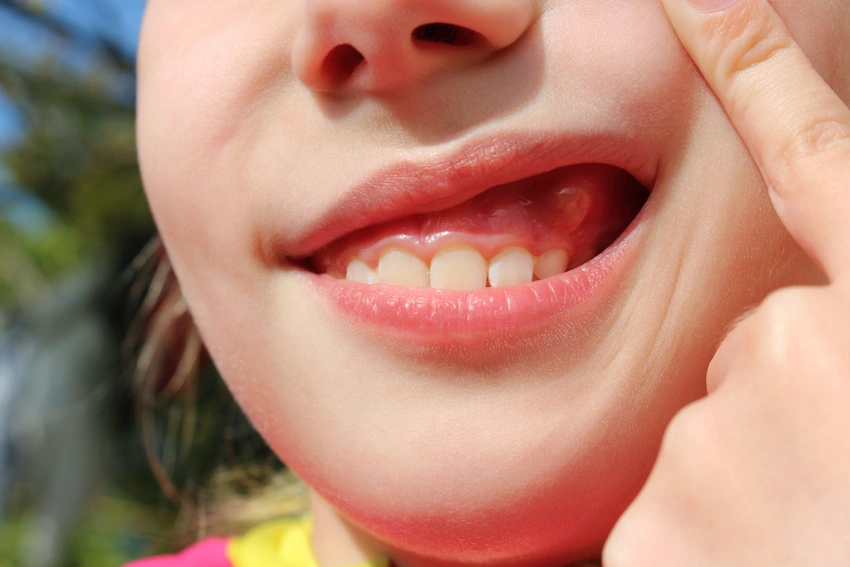
Oral care with vigorous cleanliness is the basic rule for achieving oral hygiene. In that direction, among myriad measures, biting on the right path of life taken by the great dental professionals leads to the achievement of such:
1. Brush Twice a Day with Fluoride Toothpaste
One of the simplest and most significant means of tackling plaque is the process of tooth brushing. At a minimum, one should brush their teeth twice a day; once after waking up and once before sleeping. Check if you are doing it properly:
- Select a soft-bristled toothbrush for the preservation of your delicate gum tissues.
- Put a dab the size of a pea of fluoride toothpaste on the brush, which will aid in the remineralization of the enamel and act as a protective barrier against decay.
- To reach all the brushing areas of the mouth bristle count to 2 minutes. Do not forget brushing your gumline, where plaque has the most frequent deposits.
Lema Tip: An electric toothbrush is the one for you if you want a perfectly thorough clean every time and if you want to be able to remove significantly more plaque than with a manual toothbrush.
2. 🧵 Floss Every Day
Brushing and flossing together are ideal and absolutely necessary for successful oral hygiene. While brushing takes care of the outer parts of the teeth, floss is the only tool that can reach in between the teeth and the gums. Plaque can be accumulated in the spaces between the teeth where the bristles of a toothbrush cannot go, and, therefore, this is the very spot where cavities and gum disease make their apparition.
The correct way of flossing is as follows:
- Select 18 inches of floss and twine it around the middle fingers.
- Gently push the floss between your teeth and wrap it around each tooth in a C way.
- Do not forget to clean the sides of the teeth.
Lema Tip: If you are finding it difficult to use regular floss, you can use floss picks or a water flosser to simplify the process.
3. 💧 Use Mouthwash
Mouthwash helps remove plaque, kill bacteria, and give good breath. Antibacterial mouthwash with fluoride is the best as it both helps build-up of plaque and fights gingivitis at the same time.
- Wash your mouth with mouthwash after brushing and flossing to get rid of bacteria and protect your gums.
Lema Tip: Alcohol is a constituent of the mouthwashes most of which you can find on the market. As it can dry your mouth and stings your gums, it is better not to use it.
4. 🦷 Visit Your Dentist Regularly for Cleanings
OK, you may have the best oral care routine, but plaque can still build in places that are hard to reach. This is the moment where professional cleanings can help. So the dentist as well as the hygienist will remove all the plaque and tartar that brushing and flossing cannot reach and thus, the patient will be safe from gum disease as well as tooth decay.
- Lema Tip: Make an appointment with the dentist for a dental examination and a cleaning every six months in order to maintain the health of your gums and discover possible problems at an early stage.
5. 🍏 Eat a Healthy, Balanced Diet
Food has a great impact on the oral health of your teeth. Having a balanced diet is one of the easiest ways to have strong teeth and healthy gums as it helps in providing the necessary vitamins and minerals that make the teeth less vulnerable to plaque buildup. The following are the things one should focus on:
- The calcium-rich products like cheese, yogurt, and greens help the enamel of the teeth to become stronger.
- Vitamin C (oranges and berries) is a good source and it helps gum health be maintained.
- Food that is rich in fiber like apples and carrots are natural to the teeth and they stimulate the production of saliva.
Lema Tip: Starting from today, don’t eat or drink products that are rich in sugar and fit closely to bacteria in your mouth, leading to the creation of both plaque and cavities. Instead, pick simple foods such as fruits, vegetables, and lean proteins. 🍏🥕🍇
6. 🚭 Avoid Smoking
Smoking is one of the main causes of gum diseases. It lowers the capacity of your immune system, that is why your gums become weaker and cannot fight the infections. Moreover, smoking:
- Leads to gum recession that causes the appearance of tooth decay and other infections as a result of the loss of enamel.
- Makes your teeth yellow and gives your breath an unpleasant smell.
Lema Tip: The decision to stop smoking is one of the most wonderful things for your mouth and general health. 🚭
🏥 How Lema Dental Clinic Can Help You Maintain Healthy Gums
At Lema Dental Clinic, Istanbul, we offer the best care for your teeth and gums. Here is what we can do for you to maintain a healthy smile:
✔️ Regular Dental Check-Ups and Cleanings
Our experienced professionals provide the cleanings and dental exams that are precise, they also conduct the necessary checks for cavities, perform the early diagnosis of gum diseases through visual inspection, and measure pockets if any. 🦷
✔️ Gum Disease Treatments
We give you a few pointers through different treatment methods if there is any symptom of gum disease such as bleeding, bad breath, or gum becoming shallow. The treatments are:
- Deep cleaning and root planing to remove plaque and bacteria from the areas under the gums.
- Laser treatment for cases with severe gum infection.
✔️ Preventive Care and Education
We will inform you on the ideal oral hygiene habits and dietary changes that will prevent plaque accumulation and provide you with healthy gums for the rest of your life. 💡
🌟 Final Thoughts: Protect Your Gums, Protect Your Smile
Proper oral hygiene is the main factor in the eradication of plaque and the maintenance of gingival health. By brushing and flossing daily, going to the dentist for your professional cleanings, and making nutritious food choices, you will be able to keep your smile vivid and robust for many years.
We at Lema Dental Clinic in Istanbul are just a call away from giving you the tailored treatment and the professional advice that your teeth and gums require. Book your appointment now and make the first move to a healthy and happy smile all your life! 😁💙
Plaque forms when bacteria in your mouth feed on sugar from food and drinks, producing acid that erodes tooth enamel and irritates the gums.
Brushing helps remove plaque from the surfaces of your teeth, but flossing is necessary to clean between teeth and below the gumline.
You should visit the dentist for a check-up and cleaning every 6 months to prevent plaque buildup and catch potential issues early.
No. Tartar is hardened plaque that can only be removed by a professional cleaning at your dentist’s office.
If plaque isn’t removed, it can turn into tartar, which leads to gum disease, cavities, and tooth loss if not treated.

