


Zinc adhesive overuse can cause numbness, weakness, and nerve problems.
Thousands of individuals who replace teeth regularly find a secure fit to be one of the factors that helps restore their self-esteem. Without thinking, you eat, smile, and talk without feeling the teeth in your mouth. Nonetheless, that firm hold is most of the time made possible by a chemical substance such as zinc.
Although in tiny amounts, zinc is quite a necessary trace mineral, the misuse of some products on a day-to-day basis paints a different picture. When the substance accumulates in the body at too high levels for a long period, it gradually affects your nerve function and red blood cells.
Raising the question: how does the application of a simple cream become a health threat?
The Role of Zinc in Denture Care
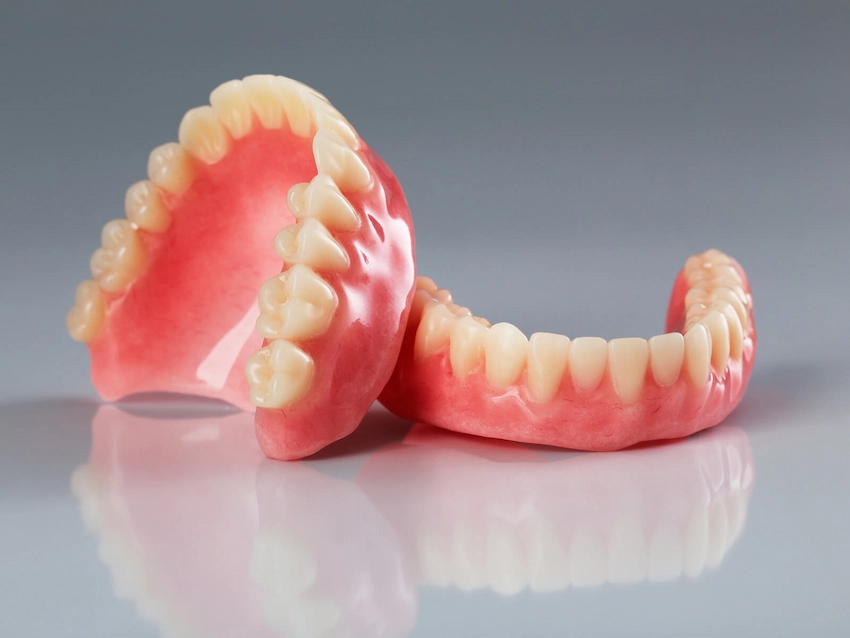
Some commercially available denture fixatives use Zinc to enhance the bond between the artificial tooth base and one’s gum tissues. It serves as a sealing film, keeping out dirt while offering a high level of support.
All it takes for the trouble to begin is for individuals to use more cream than prescribed or, worse still, to use it several times during the day in an attempt to fix a loose denture. The extra amount of absorbed zinc results from the digestive system as well as from the body’s oral entry. Such prolonged intake leads to an extremely serious state of mineral imbalance over months and years.
Medically Speaking: As for copper and zinc, both are fighting each other when it comes to getting absorbed via the gut. Overloading the system with excess zinc will leave the body deficient in copper and eventually cause copper deficiency myelopathy.
Symptoms of Zinc Overload
Physical and neurological warning signs very rarely all appear at once. Gradually over the years they do, and in most situations one is misinterpreted as that of another condition, say some lack of essential vitamins, etc.
- Mysterious numbness or tingling in the extremities (hands and feet)
- Navigational trouble, lack of stability, or sudden clumsiness
- Muscle strength deterioration combined with continuous tiredness
- A blood disorder – unexplained anemia, not going away with iron supplement treatment
Fixed vs. Adhesive Methods – Comparative Overview
In an effort to reduce their overreliance on chemical compounds, the majority of patients prefer fixed options as a matter of course. Let’s see just what the differences are between traditional dental powders/pastes and modern dental implants from Turkey:
| Method | Cause or Source | The Degree of Zinc-Related Risk | The Duration for Which the Fit is Stable |
| Common denture cream or powder | Stick agents (the adhesive chemical) | High risk upon overuse | Low (daily use is mandatory) |
| Implant-Based Over-the-Counter Dentures | Fasteners (clips, bars, or other fixtures) acting as mechanical supporters | Potential for zinc-related toxicity is eliminated | High (the denture is anchored on titanium) |
| Total Tooth Replacement by using the Full-Arch Implants Concept | Permanent dental bridgework resting on the jawbone | Nearly zero | Giving permanent self-support without external supports |
Clinical Perspectives from Lema Dental Clinic
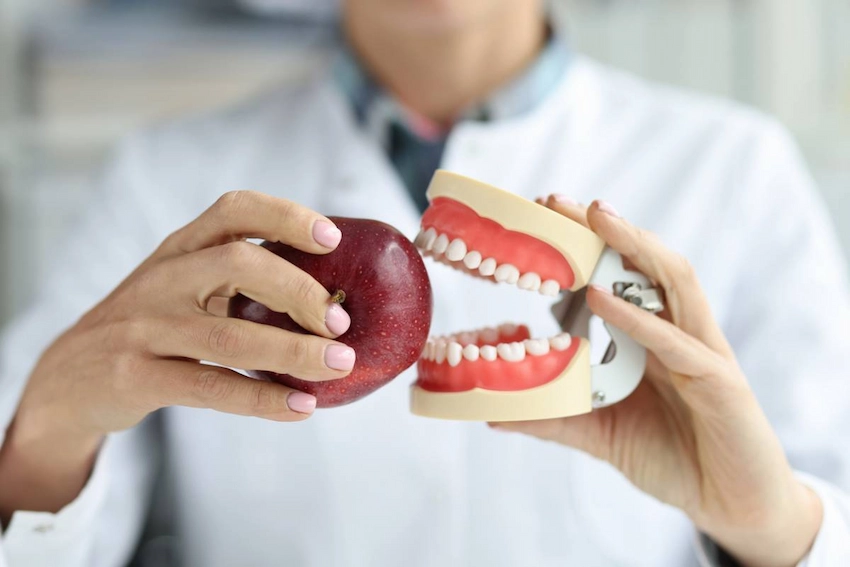
In Turkey, at our Lema Dental Clinic, we frequently see patients who are tired of going through the whole routine every single day of applying pastes and powders, and also dealing with their teeth moving. In addition, such patients have to deal with very sore jaws or their teeth constantly re-adjusting and getting used to it. Not to mention that they have a health issue they haven’t heard much about before, which is that of heavy metal.
Professor Doctor Coşkun Yıldız has often pointed out that a detachable prosthesis should never be considered a lifelong chemical addiction. The moment that you lose your support and the jaw starts to atrophy, there is no way, short of the denture being completely rebuilt, that you could ever really have true stability back.
Dr. Polen Akkılıç and her team attack the root of the problem. These are no longer the days when it’s possible to cover a bad denture fit with an ever-growing layer of adhesive. Today, the practice is to secure the denture with dental implants permanently.
The Way Beyond Being Dependent on Pastes
If you begin to fear that your paste might be affecting your health, the first step is easy: reduce the amount and see a physician. It is not hard to have zinc and copper levels tested at a lab in no time at all.
Besides that, the best possible method to make sure that there are no more chemicals used is to entirely stop the use of a paste to glue the dentures. This approach involves attaching your denture to dental implants. This method restores normal biting force, helps maintain your jawbone, and eliminates the need to apply any kind of chemical glue every day.
FAQ (Frequently Asked Questions)
What is the acceptable daily denture paste intake?
You should stick to only a bit of the stuff the size of a pea once every day. If your denture only stays put during lunchtime thanks to half a tube’s worth, you definitely need a professional remake.
Is the toxicity from zinc toothpaste potentially permanent in nerve damage?
Actually, maybe you will. If a copper deficiency as a result goes unnoticed for a long period, the consequence may be lasting damage to the body,y such as not being able to balance the body properly and even losing one’s sense of touch. So, getting started quickly is a key.
What is the best way I can find out if the material used contains?
The safest and most informative way to find out is by looking at the ingredients printed on the package. There are numerous companies that now also offer non-zinc products for patients with high sensitivities.
What are the alternatives to removable dentist’s teeth with paste?
In our Turkish dental clinic, most of the patient cases involve those who eventually move on from their old dentures to implant-supported fixed bridge work, or the kind of fixed dental prosthesis that can be removed – snap-in overdentures. These are securely attached to dental implants, which means there is no movement or glue involved.
Why does my denture become looser and looser as time goes by?
The bones in your mouth naturally get thinner when you remove the natural dental roots because they are not getting the nutrients they get when you have living teeth. If your mouth is changing and your denture can no longer be perfectly fitted, that’s why you need to use a denture fixative more and more each time,e until eventually you use half a tube for lunch. By renewing or upgrading your denture, you can put an end to this cycle of getting the denture to fit better with the use of fixatives.
Academic References
- Casarett, L. J., Doull, J., & Klaassen, C. D. (2019). Casarett and Doull’s Toxicology: The Basic Science of Poisons (9th ed.). McGraw-Hill Education.
- Nations, S. P., Boyer, P. J., Petitt, D. W., Taylor, M. P., & Watson, C. W. (2008). Denture cream: An unusual source of excess zinc, leading to hypocupremia and myelopathy. Neurology, 71(8), 639–643.
- Hedera, P., & Brewer, G. J. (2010). Secondary copper deficiency, myelopathy, and neuropathy resulting from excess zinc due to denture cream use. Journal of the American Geriatrics Society, 58(2), 406–408.
- Kumar, N. (2006). Copper deficiency myelopathy (human swayback). Mayo Clinic Proceedings, 81(10), 1371–1384.
- Misch, C. E. (2014). Contemporary Implant Dentistry (4th ed.). Mosby Elsevier.

