


Adesivo protesi: fa male? La verità clinica.
No, l'applicazione dell'adesivo per protesi non dovrebbe causare dolore; il dolore potrebbe indicare una scarsa aderenza o irritazione gengivale.
Abbandonarsi a un nuovo aspetto richiede tempo e adattamento, specialmente quando si tratta di un nuovo sorriso. Stai cercando di adattarti a comunicare e mangiare con i tuoi denti nuovi di zecca. Pertanto, è prevedibile e del tutto naturale essere preoccupati quando si riceve il primo adesivo dentale, come "Causerà disagio quando si asciuga?" o "Farà davvero male alle mie gengive?" Innanzitutto, chiariamo. L'adesivo per protesi non dovrebbe far male affatto. L'adesivo per protesi è come il morbido gel nella parte inferiore della scarpa, che sostiene il piede su terreni irregolari e rende la camminata confortevole senza la sensazione di scivolare nemmeno un po'. In altre parole, l'adesivo riempie ogni piccola fessura tra la protesi e le gengive. Di conseguenza, crea una connessione molto leggera, delicata e confortevole. Nell'improbabile eventualità che tu senta dolore usando l'adesivo per protesi, potrebbe esserci un problema. Presso la clinica dentistica Lema in Turchia, uno dei problemi più diffusi tra i nostri pazienti è il disagio causato dagli apparecchi protesici dentali. Il Prof. Dr. Coşkun Yıldız, che lavora qui, menziona spesso che l'adesivo per protesi è solo uno strumento e non la soluzione in sé. Se stai provando disagio, la ragione del problema è molto probabilmente un problema fisico più serio dell'adesivo. In realtà, l'adesivo stesso è un fattore molto raro da incolpare.Fonti di una Protesi Dolorosa
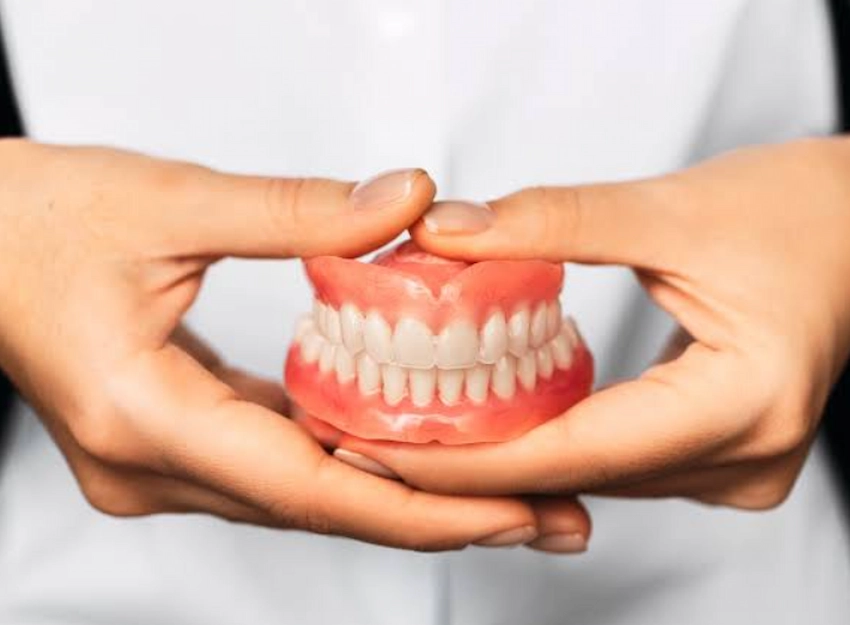
Le Protesi Allentate Causano Vesciche ai Tessuti Molli all'Interno della Bocca
Le protesi allentate che sfregano all'interno della bocca sono come indossare scarpe da trekking troppo grandi, dove le scarpe causano vesciche. L'unica cosa che senti sono i piedi doloranti. Allo stesso modo, quando la tua protesi si allenta nel tempo, a causa del restringimento dell'osso mascellare. Una protesi che si adattava perfettamente a quel tempo inizia a muoversi. Applicare l'adesivo su una protesi allentata significa che essa sfrega un punto delicato sulla tua gengiva, il che causerebbe dolore acuto.La Trappola del "Troppo Adesivo"
Questo è un problema che abbiamo riscontrato più volte. Di solito, i nostri pazienti, non sicuri della giusta quantità di adesivo, pensano che più adesivo significhi una migliore adesione. Di conseguenza, rivestono letteralmente la loro protesi completa con uno strato spesso di adesivo. Tuttavia, quando chiudono le mascelle, i loro denti si avvicinano e l'adesivo in eccesso si solidifica e forma piccoli grumi duri. Questi piccoli grumi duri diventano come sassi in una scarpa e quindi premono costantemente e in modo molto scomodo contro la gengiva quando le persone masticano.Reazioni Allergiche all'Adesivo per Protesi
Questo è molto raro, ma alcuni pazienti sono allergici agli adesivi commerciali come questi. L'allergene più frequente è lo zinco. A differenza delle reazioni allergiche in generale, come la sensazione di dolore profondo, le reazioni allergiche si manifestano con una sensazione di calore intenso, bruciore pungente o bruciore, specialmente sul palato.Scambiare Sensazioni Normali per Sensazioni Anomale
Per sapere se provi dolore a causa della protesi o se hai qualche altro problema orale, dovresti prestare attenzione a questi segni.| Sensazione di dolore | Motivo | Devo Consultare un Dentista? |
| Lieve formicolio | Nessun motivo di allarme. Probabilmente solo il sapore o la freschezza della pasta. | No. Scomparirà in pochi minuti. |
| Aderenza buona e stretta | Questo è un aspetto positivo e significa che la sigillatura è buona e la protesi è ben salda. | No. Goditi il tuo cibo! |
| Dolore durante la masticazione | Un campanello d'allarme. Ciò significa che la protesi sfrega su una cresta ossea. | Sì. La tua protesi necessita di una ribasatura in modo che si adatti senza sfregare. |
| Sensazione di bruciore intenso | Un campanello d'allarme. Potrebbe essere che le tue gengive siano entrate in contatto con qualche allergene, o che ci sia un'abrasione dovuta all'uso della pasta, o che sia presente qualche altra irritazione. | Sì. Smetti di usarlo e visita il dentista. |
| Dolore alla mascella | Il segnale di avvertimento. Il tuo morso sta mettendo sotto stress la tua mascella, poiché è sbilanciato. | Sì. Presto farai un controllo dell'occlusione. |
Andare Oltre l'Adesivo per Protesi
Domande Frequenti
Riferimenti Accademici
- Felton, D., Cooper, L., Duqum, I., Minsley, G., Guckes, A., Haug, S., ... & Sweitzer, B. (2011). Evidence-based guidelines for the care and maintenance of complete dentures: a publication of the American College of Prosthodontists. Journal of Prosthodontics, 20(s1), S1-S12.
- Grasso, J. E. (2004). Denture adhesives: changing attitudes. The Journal of the American Dental Association, 135(1), 81-86.
- Kiesow, A., Sarembe, S., Pizzey, R. L., Axe, A. S., & Bradshaw, D. J. (2016). Material compatibility and antimicrobial activity of consumer products for denture care. The Journal of Prosthetic Dentistry, 115(2), 189-198.
- Polyzois, G. L., & de Baat, C. (2012). Attitudes and practices of Greek dentists regarding denture adhesives. Gerodontology, 29(2), e319-e325.
- Slaughter, A. (2006). The evidence base for denture adhesives. Journal of Prosthodontics, 15(4), 223-228.
Domande frequenti
I feel a burning feeling right after I put my dentures in. Is that normal?
On the contrary, it is not normal at all. A slight refreshing flavor is normal thing, and there is nothing to worry about. The burning feeling, on the other hand, points to an irritant substance contact that has occurred in your mouth. Immediately after feeling a burning sensation, you should rinse your mouth to get rid of the denture paste. Allow your gums to rest without contact to any material or chemical.
How much adhesive should I actually be applying?
Using less is definitely better. To cover your denture base thoroughly, all you need are only 3, four tooth-size dots. Make sure that these drops do not get too close to the margin so that adhesive does not escape when you bite. Remember, any excess will mean that you have used far more than what is advisable.
Does removing my dentures at night hurt?
In theory, it should not cause pain. But if you take a dry denture out very quickly, that might result in the tearing of your gums. Therefore, before you take your dentures out of your mouth, the dentist recommends thoroughly rinsing your mouth with warm water for around a half minutes. This treatment is going to weaken the adhesive, which then would give rise to denture removal without any trouble.
My gums are sore. Can I put adhesive over a mouth ulcer?
For heaven's sake, no! If you put a chemical substance such as adhesive or a medicine on the inside of a mouth ulcer, you are doing several wrong things. Firstly, the chemical will kill off most of your good bacteria, which have helped you to start the healing process. And second, the oxygen supply is stopped, which is needed for the skin to regenerate. In order to get quick relief, you have to leave your mouth free for a night or so until the area where you had the ulcer is healed completely.
I am tired of using adhesive. What are my options in Turkey?
What are other things you can do if using adhesive is not your cup of tea? Well, in a few situations, we recommend getting All-on-4 dental implants in one jaw. Alternatively, getting full mouth implants, which would correspond to you getting All-on-6. First, it's a matter of our surgical department putting some small titanium posts inside the jawbone. The artificial teeth, which are fixed onto these posts, can never be taken loose, or they can never cause any pain.