


Yes, denture adhesive may cause dry mouth if it irritates gums or affects saliva flow.
A lot of patients at Lema Dental Clinic get upset. They use dentures and adhesives daily but still have ongoing dry mouth issues. Dry mouth is a really prevalent problem. Although it may be from age or medication, your routine dental paste can make it worse.
Can denture adhesive cause dry mouth?
The answer is definitely.
Adhesives work as a barrier on your gums. This covering stimulates the salivary glands. It becomes more likely for bacteria and food particles to stay under adhesives when the mouth is “sealed” by a thick layer of paste. In this case, your mouth produces a lesser amount of healthy and natural saliva.
Why Using Adhesion Becomes a Problem
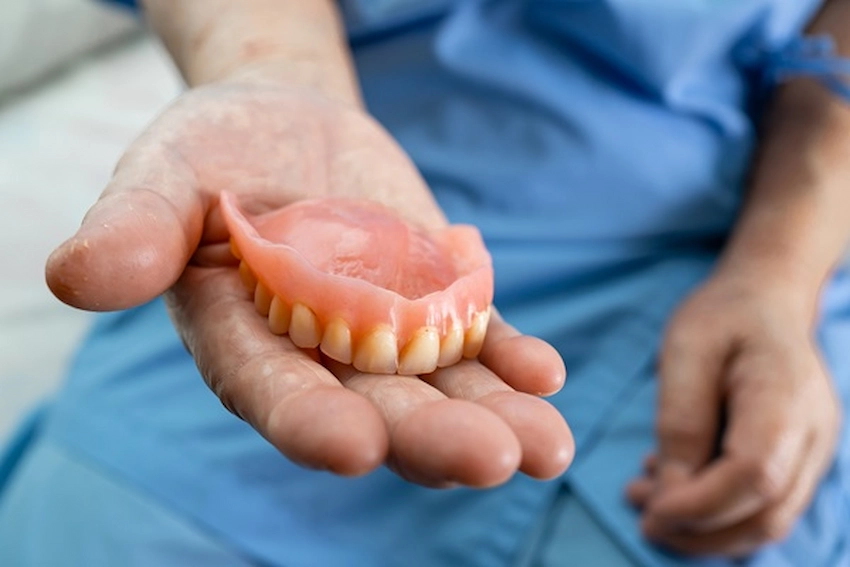
We treat a great number of patients, most of which are thinking that adhesives are a kind of permanent solution. However, they are not; adhesives only serve as an interim fix. The use of heavy paste every day on your gums builds up an artificial layer. This leads to the gum tissue becoming inflamed or even sensitive if it is continuously being affected.
Professor Doctor Coşkun Yıldız has always reiterated our understanding that the denture should fit with the natural suction and the bone structure alone.
There should be no dependence on chemical glue if one is required to use too much denture cement for the functioning of the denture.
Just think of your jawbone as the foundation of the house. If the foundation has been disturbed, no amount of glue can maintain the structural stability.
Comparative Analysis With Your Choice
We encourage patients in Turkey to get out of the “dental adhesive trap“.
Here is a rundown of standard techniques versus newer implants:
| Treatment Type | Adhesive Needed | Comfort Level | Bone Loss Risk |
| Conventional Denture | Daily | Low | High |
| Regular Implants | None | High | Low |
| After Implant Placement | None | High | Low |
| Bone Graft | None | Possible | Low |
The Role of Saliva Isolation
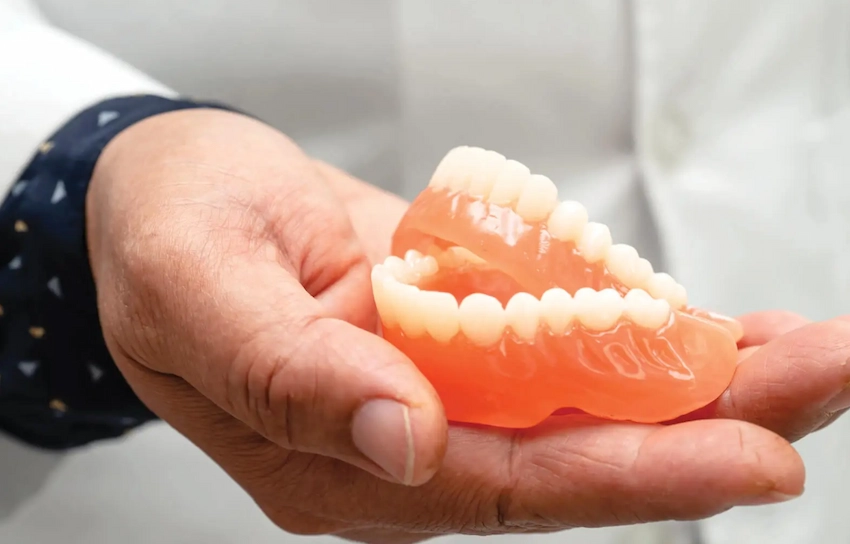
Saliva plays an important role. It is full of enzymes that help digest food, and it contains antibodies that are protective against your gums. When adhesives are in the upper palate area, they restrict this natural cleaning and hygiene process of the saliva on the teeth.
Dentist Polen Akkılıç, together with her team, has noticed that dry mouth permanently (xerostomia) results in a higher incidence of fungal infections and deterioration of the gums.
If you are pasting regularly, we are very much urging you to find out the actual reason behind it so that your entire oral health can stay in excellent condition at present as well as in the future, in addition to getting only one nice smile at a time.
Frequently Asked Questions
Does zinc in my adhesive affect saliva?
Yes,s to the latter part. Research claims that if a certain level has already been reached, your body may have an imbalance in its minerals. A tooth replacement done through implant surgery will eliminate this risk.
Can I really stop using adhesives forever?
Right, you will not have to touch any kind of paste again in your life if you go for a system like the All-on-4 system.
Why do my gums feel sore after using adhesive?
It is likely an indication of being allergic or a condition where the microbials and food particles get stuck. By this action, the protective agent of saliva is prevented or restricted from its natural function to clean your gums,s leading to an unpleasant environment that is dry and irritating.
Is there an alternative while I wait for surgery?
You can have an implant bridge if you are going to get dental implants in Turkey. But as you are in the waiting time before the surgery, we are here ready to provide a soft reline for your denture. It is not just much more comfortable to wear than adhesive but also helps you to safeguard your tissues.
How do I know if my dentures cause my dry mouth?
If you notice that the drier your mouth is, the longer your denture has been there, chances are your teeth are the problem. You should book a consultation session so that we can examine your bite and give you a proper diagnosis
Academic References
- Al-Sowygh, Z. H. (2013). The prevalence of dry mouth and its relationship to oral health. Journal of Clinical Dentistry, 24(2), 48-52.
- Carlsson, G. E., & Omar, R. (2010). The future of complete dentures in oral rehabilitation. Journal of Oral Rehabilitation, 37(2), 143-156.
- Hahnel, S., et al. (2014). Microbial colonization of denture adhesives. Journal of Prosthetic Dentistry, 111(5), 415-422.
- Ritchie, G. M., et al. (2000). The effect of denture-wearing on the oral microflora. Gerodontology, 17(1), 12-18.
- Tallgren, A. (1972). The continuing reduction of the residual alveolar ridges in complete denture wearers. Journal of Prosthetic Dentistry, 27(2), 120-132.

