

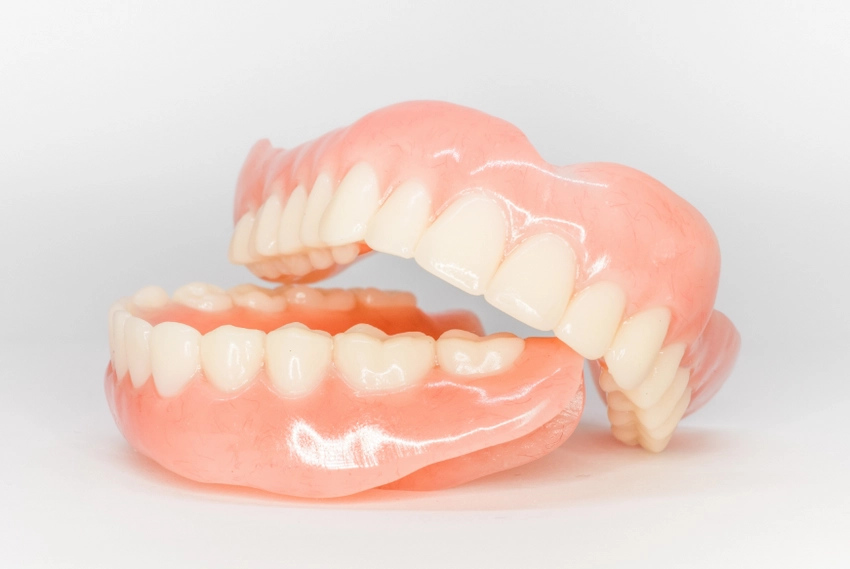
¿Adhesivo dental causa candidiasis oral? La verdad sobre salud bucal.
Sí, el adhesivo para dentaduras postizas puede contribuir a la candidiasis si atrapa bacterias o no se limpia correctamente.
Realmente cuesta acostumbrarse cuando alguien usa dentaduras postizas por primera vez. Conocemos muy bien la dificultad cuando su prótesis se afloja y ya no puede hablar ni masticar libremente. Es comprensible que muchas personas opten por usar adhesivo para dentadura postiza por un corto período de tiempo mientras sus encías se recuperan de la curación. Sin embargo, esto parece una solución temporal, pero a la larga traerá bastantes problemas. Lo que más nos preocupaen la Clínica Dental Lema es el efecto que este agente adhesivo podría tener en su salud bucal.¿Por qué el pegamento es el principal culpable?
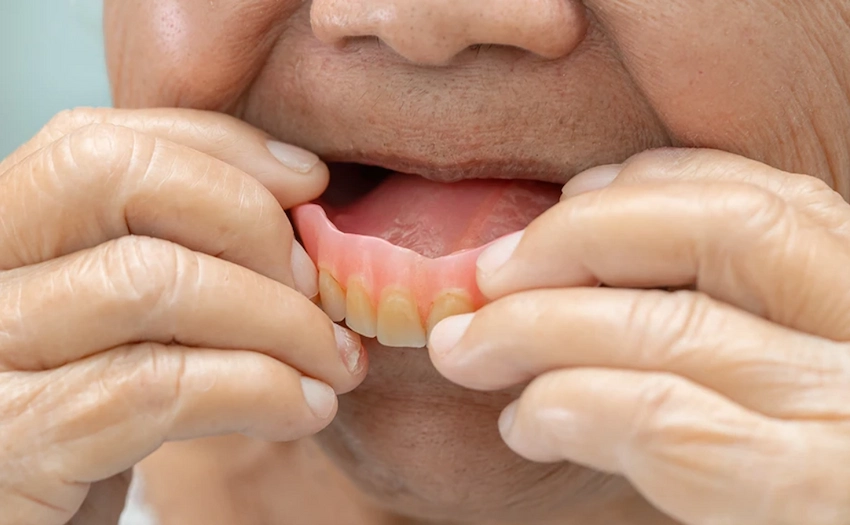
- Atrapamiento de humedad: Un proceso normal de evaporación de la piel se ve obstaculizado por el pegamento, lo que hace que la placa permanezca siempre húmeda.
- Albergue bacteriano: A las bacterias les encanta vivir y multiplicarse en la humedad atrapada por la pasta y también en los restos de comida que se acumulan en este lugar.
- Candida: Esta situación es muy favorable para que la Candida, una levadura, prospere. Por eso, a veces los pacientes sienten que tienen algo parecido a una lengua roja o puntos dolorosos en las encías.
La analogía del invernadero en la ciencia
En Lema Dental Clinic, nuestro énfasis está en su condición y bienestar general. Puede pensar en el tejido blando debajo de la parte inferior de los dientes (mucosa dental) como un trozo de tierra donde tiene que cultivar flores. Cubrir un trozo de tierra con una película de plástico que no deja pasar el calor ni el agua provocará el crecimiento de malas hierbas, como el crecimiento de hongos dañinos que pueden provocar candidiasis. Aplicar pegamento a una dentadura postiza si ya no ajusta bien deja un espacio entre las encías y la base de la dentadura. Esa bolsa se llenará de líquidos y alimentos con el tiempo. El Profesor Coşkun Yıldız afirma con frecuencia que tal enfoque crea un "efecto invernadero" debajo de su dentadura. Las condiciones allí –cálidas, húmedas y oscuras– permiten que los hongos proliferen, por lo que el paciente desarrolla la estomatitis protésica por inflamación, caracterizada por las zonas rojas.Por qué su hábito de hacer las cosas todos los días es importante para esto
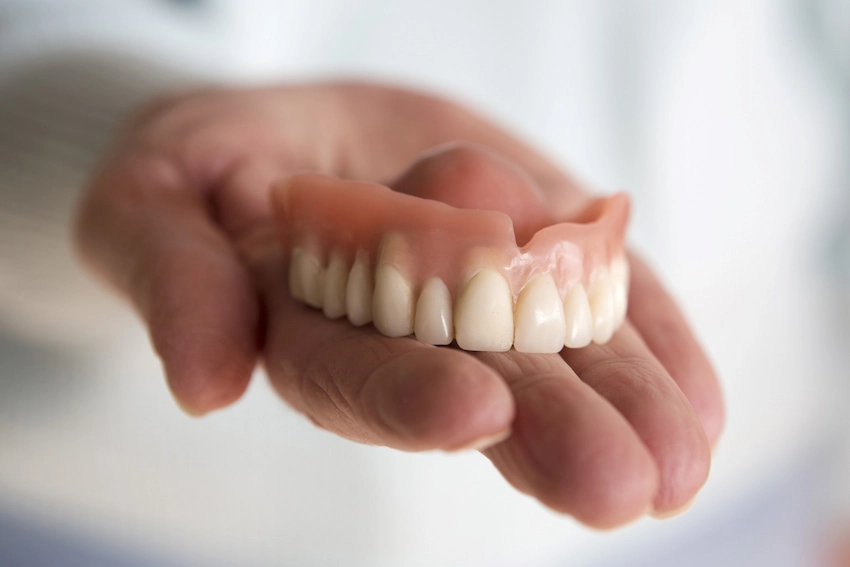
Diferentes enfoques: Adhesivos frente a soluciones permanentes
Si necesita constantemente más y más adhesión dental, probablemente significa que su estructura ósea se ha alterado y ya no obtiene un ajuste perfecto en una boca desdentada porque la forma ha cambiado. Por lo tanto, su dentista puede necesitar hacer algunos cambios, y usted también puede probar un adhesivo dental o arreglarlo de una vez por todas.| Característica | Dentaduras postizas tradicionales | Puentes fijos sobre implantes |
| Estabilidad | Requiere adhesivo sintético | Fijado de forma segura al hueso |
| Limpieza | Compleja (debe frotar los residuos de pegamento) | Sencilla (cepillar como dientes naturales) |
| Riesgo de candidiasis | Alto debido a los restos atrapados | Muy bajo |
| Salud ósea | Puede causar pérdida ósea | Preserva y estimula el hueso |
| Comodidad | A menudo se mueve o causa irritación | Se siente estable y natural |
Preguntas frecuentes
Referencias académicas
- Davenport, J. C. (1970). The oral distribution of Candida in denture stomatitis. British Dental Journal, 129(4), 151-156.
- Gendreau, L., & Loewy, Z. G. (2011). Epidemiology and etiology of denture stomatitis. Journal of Prosthodontics, 20(4), 251-260.
- Nikawa, H., et al. (2003). Candida colonization and adhesion to denture base acrylic resins. Journal of Oral Rehabilitation, 30(9), 920-926.
- Webb, B. C., et al. (1998). Denture stomatitis: Aetiology and management. Australian Dental Journal, 43(2), 117-121.
- Zissis, A. J., et al. (2006). The significance of denture hygiene in the management of denture stomatitis. Gerodontology, 23(2), 105-112.
Preguntas frecuentes
How do I know if I have thrush?
Common oral thrush signs and symptoms are white plaques on the tongue or the upper palate that are very similar to cottage cheese. There is a chance of getting a very bright red or even sore-looking skin area or a thin layer of underlying tissue below these plaques. If a burning sensation on the tongue or a strange taste has come up, then the mouth must be checked by your dentist right away.
Is it dangerous if I use denture adhesive every day?
Using it is definitely 'dangerous' for prolonged periods, but it's a warning sign - so to speak. If a patient uses glue quite frequently to secure a lower denture,e it must not be a good fit of the denture. You do not have to be satisfied merely with a denture that is not perfectly and firmly seated but rather to ask for a better fit of the lower denture.
Does thrush cause pain?
Yes. One reason is constant sensations, especially when a patient is eating or drinking. That's very uncomfortable. As a result, the dentists here at our dental facility want to correct any problems as soon as possible, not only from the physical side of it, but also from the mental aspect.
What's the best way to clean my mouth?
Brush your gums gently with extremely soft bristles to improve circulation and to wash away any food that may be stuck in them. Always make use of the best quality denture cleansers for soaking. Make sure all residue that may be left from the dentist's glue is cleaned off your gum tissue before you sleep.
What’s the secret of giving up using the denture glue permanently?
First of all, getting away from using glue altogether means getting into a permanently fixed dental prosthetic system. We specialize in All-on-4 or All-on-6 implants here in Turkey, for example. These implants are fitted directly to the bone,e and that means no more slippage and, naturally, not having to use any kind of paste, glue,ue or adhesive product, which will have its detrimental effect ao not only by not protecting the mouth from infection, but actually causing an environment in which the germs would thrive.