

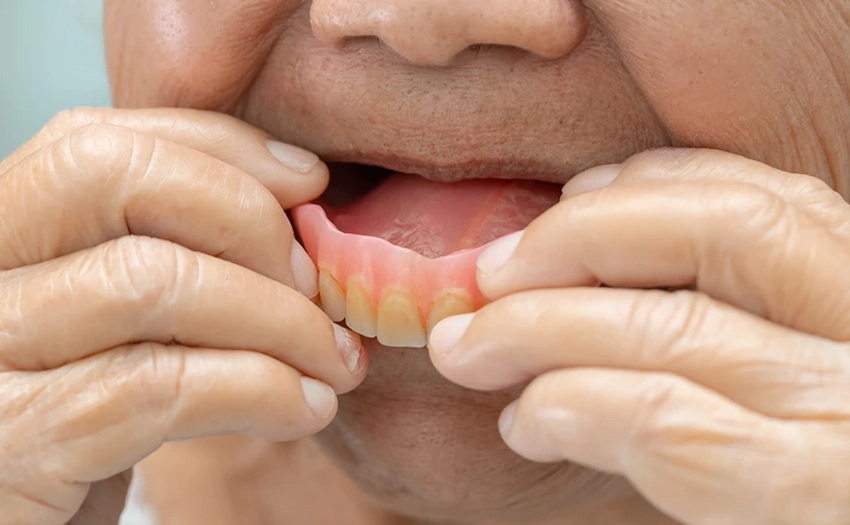
Κόλλα οδοντοστοιχίας: Διάρροια; Κρυφοί κίνδυνοι.
Η κατάποση μεγάλης ποσότητας συγκολλητικής ουσίας οδοντοστοιχίας μπορεί να προκαλέσει στομαχικές διαταραχές ή διάρροια.
Ξυπνάτε, καθαρίζετε τις οδοντοστοιχίες σας και εφαρμόζετε την καθημερινή σας συγκολλητικός. Για πολλούς ανθρώπους, είναι μια συνηθισμένη πρωινή ρουτίνα. Τι γίνεται όμως αν έχετε πολύ επώδυνες κράμπες στο στομάχι; Τι γίνεται αν έχετε χρόνια, ανεξήγητη διάρροια; Μπορεί να νομίζετε ότι απλά φάγατε κάτι χαλασμένο. Η πραγματικότητα είναι αρκετά διαφορετική. Η πραγματική αιτία μπορεί να βρίσκεται ακριβώς στον πάγκο του μπάνιου σας. Έχουμε στην Οδοντιατρική Κλινική Λέμα στην Τουρκία γίνει μάρτυρες αυτού του ίδιου σεναρίου επανειλημμένα στην κλινική μας πρακτική. Ακούμε αυτούς τους πολύ απογοητευμένους ασθενείς με πολύ σοβαρά στομαχικά προβλήματα, και λένε ότι έχουν επισκεφθεί ειδικούς του εντέρου για μήνες, αλλά ποτέ δεν έχουν λάβει πραγματικές απαντήσεις. Μπορεί να αναρωτιέστε – μπορεί η συγκολλητική σας ουσία οδοντοστοιχίας να σας αρρωστήσει; Τα ιατρικά στοιχεία είναι πολύ σαφή ότι μπορεί, και όλα σχετίζονται με ένα μόνο συστατικό στη συγκολλητική σας ουσία οδοντοστοιχίας – τον ψευδάργυρο.Η Χημεία των Συγκολλητικών Ουσιών Οδοντοστοιχιών
Τοξικότητα Ψευδαργύρου και το Στομάχι σας
Όταν λαμβάνετε υπερβολική ποσότητα ψευδαργύρου, το πρόβλημα είναι ότι σταματά το σώμα σας από το να απορροφά χαλκό, γεγονός που οδηγεί σε μια πολύ επικίνδυνη κατάσταση γνωστή ως τοξικότητα ψευδαργύρου. Σύμφωνα με τον Καθηγητή Δρ. Coşkun Yıldız, τα πρώτα σημάδια αυτής της τοξικότητας εμφανίζονται σχεδόν πάντα στο στομάχι και το έντερο. Οι συνηθισμένες ενοχλήσεις των ασθενών περιλαμβάνουν κυρίως:- Καθημερινή διάρροια
- Πολύ έντονους πόνους στο στομάχι
- Αίσθημα αδιαθεσίας ή ναυτίας
- Έντονη μεταλλική γεύση στο στόμα
- Ακραία κόπωση και απώλεια όρεξης
Προχωρώντας Πέρα από τις Συγκολλητικές Ουσίες
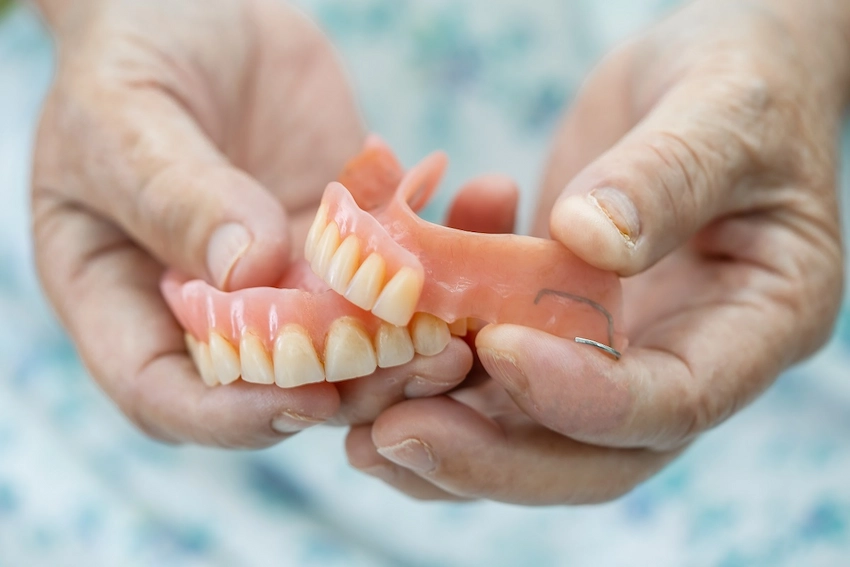
Γρήγορη Σύγκριση: Αφαιρούμενες Οδοντοστοιχίες έναντι Μόνιμων Εμφυτευμάτων
| Feature (Özellik) (Χαρακτηριστικό) | Traditional Dentures (with adhesive) (Παραδοσιακές Οδοντοστοιχίες (με συγκολλητική ουσία)) | Fixed Implants (All-on-4/6 Zirconium) (Σταθερά Εμφυτεύματα (All-on-4/6 Ζιρκονίου)) |
| Stomach Risk (Mide Riski) (Κίνδυνος για το Στομάχι) | High (if zinc adhesive is swallowed) (Υψηλός (αν καταποθεί συγκολλητική ουσία με ψευδάργυρο)) | None (no adhesive needed) (Κανένας (δεν απαιτείται συγκολλητική ουσία)) |
| Bone Health (Kemik Sağlığı) (Υγεία των Οστών) | Bone continues to melt away (Το οστό συνεχίζει να απορροφάται) | Implants keep the bone strong (Τα εμφυτεύματα διατηρούν το οστό ισχυρό) |
| Biting Power (Isırma Gücü) (Δύναμη Μάσησης) | Weak (20% of natural teeth) (Αδύναμη (20% των φυσικών δοντιών)) | Strong (Up to 95% of natural teeth) (Ισχυρή (Έως 95% των φυσικών δοντιών)) |
| Daily Care (Günlük Bakım) (Καθημερινή Φροντίδα) | Messy to take out, clean, and re-apply (Ακατάστατη αφαίρεση, καθαρισμός και επανεφαρμογή) | Just brush and floss normally (Απλά βουρτσίζετε και χρησιμοποιείτε οδοντικό νήμα κανονικά) |
Συχνές Ερωτήσεις Ασθενών: Ρωτήστε τον Γιατρό
Academic References
- Nations, S. P., Boyer, P. J., Love, L. A., Burritt, M. F., Butz, J. A., Wolfe, G. I., ... & Trivedi, J. R. (2008). Denture cream: an unusual source of excess zinc, leading to hypocupremia and neurologic disease. Neurology, 71(9), 639-643.
- Willis, M. S., Monaghan, S. A., Miller, M. L., Holmes, R. W., Bosserman, G., Perry, A., & Macik, B. G. (2005). Zinc-induced copper deficiency: a report of three cases initially recognized on bone marrow examination. American Journal of Clinical Pathology, 123(1), 125-131.
- Carlsson, G. E. (2014). Implant and root supported overdentures–a literature review and some data on bone loss in edentulous jaws. The Journal of Advanced Prosthodontics, 6(4), 245-252.
- Hedera, P., Fink, J. K., Bockenstedt, P. L., & Brewer, G. J. (2009). Myelopolyneuropathy and pancytopenia due to copper deficiency and high zinc levels of unknown origin II. The denture cream is a primary source of excessive zinc. Neurotoxicology, 30(6), 996-999.
- Al-Ghannam, N. A., Starr, C. B., & MacEntee, M. I. (2020). The effect of denture adhesives on the retention of complete dentures: A systematic review. The Journal of Prosthetic Dentistry, 123(3), 398-406.
Συχνές ερωτήσεις
How much denture adhesive is actually safe?
The answer: the less, the better. Try three very small dots for the top denture and a thin line for the bottom. If the adhesive oozes out upon biting, ongoing usage of adhesive is excessive,e and you will definitely swallow it. Iff the adhesive is causing diarrhea, what should I do?
What should I do if my adhesive is giving me diarrhea?
Stop using that adhesive right away. Buy a zinc-free brand and drink plenty of water. Then, go see your regular doctor. Ask them for a simple blood test to check your zinc and copper levels.
Can one buy denture adhesive without zinc?
Absolutely, yes. Since these health risks are very well-known, many companies even changed their formulas to completely get rid of zinc. Make sure you read the very back of the box carefully before buying any new adhesives.
Why are my dentures feeling very loose lately?
Jawbone melting away is one of the reasons that a problem is occurring. At Lema Dental Clinic, we make it a point to tell our patients that if there are no real tooth roots, the bone will merely shrink. A denture that was good five years ago is not going to fit today. So, you should either have a new fitting or choose permanent implants that are of higher quality.
Can I still get implants after my bone has shrunk?
Definitely, you will almost certainly be capable of it. Despite very severe bone loss, the surgical team at Lema Dental Clinic is familiar with the use of special techniques. Our team is able to use Zygomatic implants to give you safe, permanent teeth. We are equipped with a 3D scan to plan everything with total safety.