


Yes, zinc in denture adhesive can cause taste changes, especially when overused
All in all, there is nothing wrong with a good meal. Imagine you are tearing through a crisp, fresh lettuce leaf. Suddenly, the aromas of the roasted meat hit your nose, and you realize it is the best smell you have ever inhaled. You find it a pleasant sensation that a bit of seasoning brings a harmoniousness. Unfortunately, there are days when you have this meal, and something doesn’t taste right to you.
You sit with the meal in your hand and realize your food has a metallic aftertaste, and you are not sure why.
When your teeth have been replaced by dental prostheses, you are apt to blame the passing years or being sick as a reason for such an issue. In truth, the reason might be quite close at hand.
We want to address the zinc content of your denture adhesive here.
The Hidden Mineral in Your Daily Routine
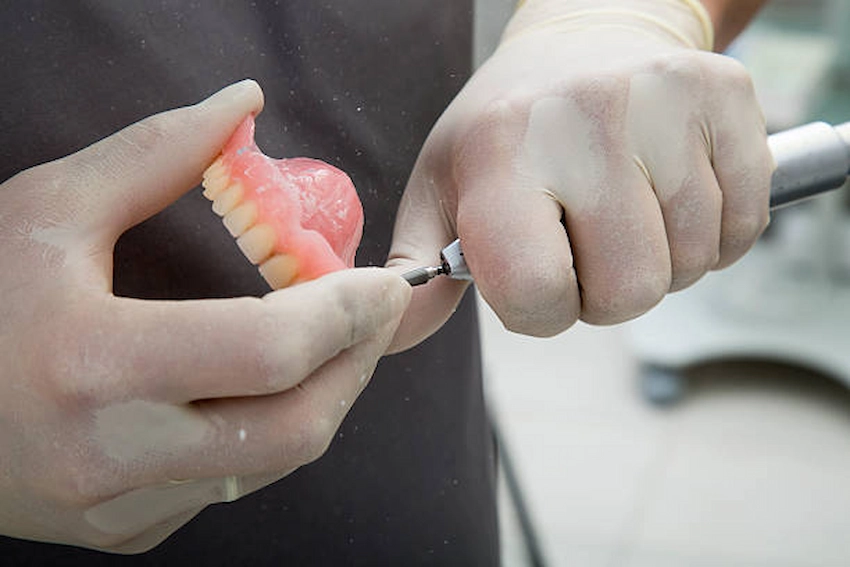
We are going to figure out the underlying cause by analyzing how these products actually work. Many brands of denture paste make use of zinc for their holding quality. Zinc keeps dentures in place all day without slipping. It is a highly effective gluing agent.
Now you can imagine mortar getting a very tight fit with the bricks, and the same goes for denture paste with its ability to bond the denture to the gum. Let us consider the negative consequences in detail.
Your system needs a minute amount of the element zinc for its functions to be healthy and heal.
All the same, adhesives use heavy zinc salts that are not the same thing. Often, people overuse the denture adhesive. Some apply it many times daily due to an ill fit of the prosthesis. As this scenario occurs, extra zinc from the adhesive is absorbed through the stomach and the gum.
Dysgeusia: The Disruption of a Normal Signal
This is what the team at our clinic has noted when the body has taken in more zinc than it is healthy to consume. The high amount of the element in the system will block the body from utilizing copper, resulting in a health imbalance. One of the symptoms is dysgeusia, which is the loss of a sense of taste.
Let’s compare your taste receptors to highly sensitive radio transducers. They catch flavor broadcast signals and deliver them to the brain. The excessively high levels of zinc disrupt the radio broadcast in a similar way that interference produces a garbled signal. Before the brain can process the taste, the information from it is garbled, ed causing a bitter or metallic taste sensation in the mouth. This happens regardless of the meal you are eating.
Insights from the Heart of Turkey

We serve many nationalities at Lema Dental Clinic, Turkey. A significant number of our patients are coming for a denture-free life as they are fed up with messy paste and powders.
Dr. Coşkun Yıldız, who is highly experienced himself, says: “The mouth is not just a tool for eating. You explore the world through taste. We use denture adhesive very much. It can be quite dangerous in causing gum sores and worse than that, taking away the patient’s ability to appreciate flavors of the food.”
The big issue: should you give up on your adhesive just because it is making your meals a total experience? Dentist Polen Akkılıç and her team will always advise patients what to do. Sticking to a denture adhesive without zinc is the first and most important change.
Keep in mind, denture adhesive cannot be depended on as a permanent solution either. Dentists know the best way to treat loose dentures is to change the denture.
Comparing Your Daily Options
This simple chart will help you compare health and taste aspects of your daily choices:
| Feature | Zinc-Dependent Adhesive | Adhesive Free of Zinc | Denture Implanted in the Jaw |
| Retention Method | Zinc creates the chemical bond | Only water-based and other substances in gels | Implanted titanium in the jawbone. |
| Potentially Biting Problems | High (When Overused) | Low | Nil |
| Potential Health Effects | Copper deficiency leading to nerve symptoms | Risk is really low. | Only surgical complications |
| Care daily | Wipe and repaste regularly | Same | As for natural teeth, brushing should suffice. |
Frequently Asked Questions
Will I go back to my old way of tasting if my zinc is off the menu?
Most probably yes. Switching to an adhesive without zinc and consulting a physician to see if your levels of copper are within the right range would help your taste to become healthy again. It has generally happened that your tongue has recovered its functionality within a few weeks.
What limit of an amount of denture adhesive is deemed safe?
A pea-sized quantity of product should be more than sufficient if applied in small dots. When you bite your teeth together, and denture powder or adhesive comes out between your closed teeth,h you definitely have used too much.
Why does the manufacturer include zinc in the product?
The reason behind it all was that, with time, zinc adhesive would be one of the strongest, highlywater-resistant,t and even more reliable alternatives. In those days, the danger posed by excessive use of zinc wasn’t understood thoroughly and, therefore, it was considered the best option for many dental experts.
Do they work equally to the zinc ones?
They work so well. Some say they are a touch less strong than the ones with zinc, but if it is a matter of health and flavor, the change is a small one
Is there a way to stop using dental adhesive altogether?
There is; we’re doing it as a matter of fact. By using dental implants, we are placing a denture securely in a patient’s jawbone so that an individual may not use a dental adhesive again. A person whose mouth is free of adhesives can get back the ability to enjoy food just the way nature intends it.

