


Dental Code D6740 serves as a label for the event of dental restoration with a full crown on a posterior tooth usually a molar or premolar single. The crown is made from either porcelain or a porcelain-fused-to-metal, thus combining the strength and the natural look of the tooth. The operation is performed when a tooth is heavily damaged because of decay, trauma or wear and a filling cannot be applied. The dental crown, which is the outermost part of the tooth, makes the tooth strong again and gives it back its function.
D6740 is essentially a code in the field of restorative dentistry, indicating a device (crown) that replaces the lost tooth structure of a severely damaged tooth, thereby restoring the function of the tooth and the whole dental arch. This is a definite answer to the problem of the tooth losing its shape and function. The program comprises multiple stages, like tooth preparation, taking impressions, and the placement of the crown, thus usually requiring a two-visit appointment at the dental office.
When is Dental Code D6740 Used?
Dental Code D6740 is the tool that is used to portray the events when the back teeth, i.e. the molar or premolar, are damaged heavily due to decay, trauma or wear. The root may have been so decomposed that a traditional filling would not be enough. The crown becomes the ultimate metal-free solution to the problem thus stabilizing the tooth.
This is also a very popular application for a tooth that would be subjected to heavy masticatory forces, such as those in the back of the oral cavity. No wonder, then, that molars and premolars, which are responsible for most of the chewing pressure, receive D6740 crowns made of porcelain or porcelain fused to metal that not only withstand but also function under such circumstances.
What are the Benefits of Using Dental Code D6740?
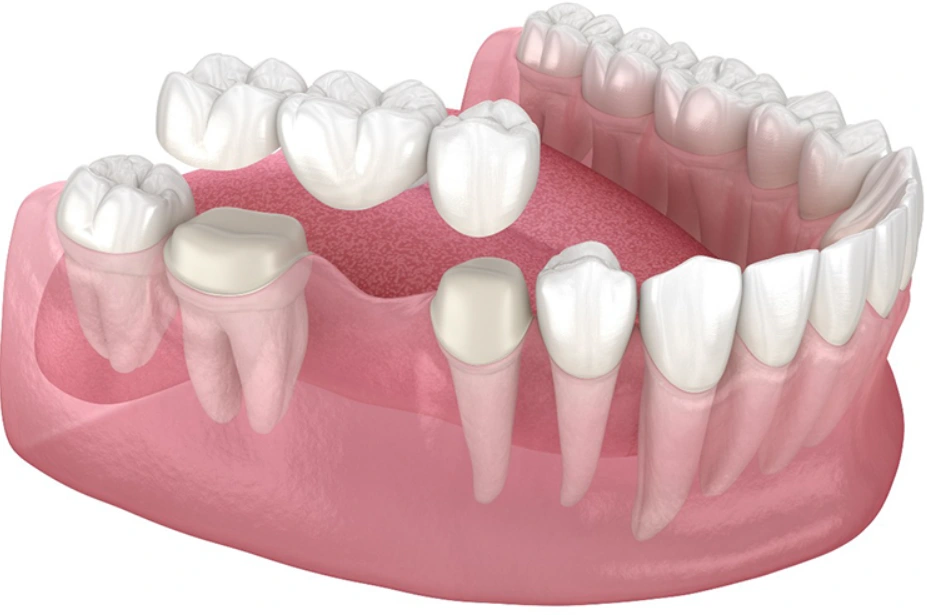
The foremost advantage of the utilization of Dental Code D6740 is the capability of the device to perform a double restoration of the severely damaged teeth both in the morphological aspect and in their function. They are made to look as natural as possible and thus the final ensemble is indistinguishable from the rest of the teeth. As a result, D6740 is a perfect treatment option for individuals who esteem the aesthetics of their smile and at the same time want a robust and long-lasting solution.
What is more, D6740 crowns also assist in the protection of the remaining tooth from subsequent destruction. The crown is the one that protects the cracked tooth from further breaking by wrapping the broken tooth completely. This long-term fix can be kept for a very long time with proper hygiene and thus the need for more invasive treatments will be postponed further in the future.
Warnings and Precautions About Dental Code D6740
Even if Dental Code D6740 is the perfect solution for tooth restoration, you ought to think of some warnings before you choose this treatment. For instance, if there is little or no tooth structure left, and the tooth is extremely broken, then a D6740 crown might not be the best option available. Consequently, implants or bridges might replace the functionalities of the missing tooth in those situations.
Besides that, individuals who have bruxism (grinding of the teeth) should take care, as the excessive loading of the crown can lead to its early wear. Furthermore, having healthy gums around the crown is of great importance, since a gum infection can be the source of the implant becoming loose. Therefore, a thorough examination by your dentist can only be the confirmation that D6740 is the proper choice for you.
When Should You Avoid Using D6740 and What Should You Use Instead?
D6740 is not to be used when the tooth cannot support a crown due to damage or a root infection. Then the most suitable solution might be extraction with the following choices such as bridges or dental implants. If a person has severe bruxism or any other condition that can lead to the early wear of the crown, it may be better to use a different material such as zirconia rather than porcelain fused to metal.
Furthermore, it is very important not to use the D6740 technique in cases where the tooth is extensively decayed or infected even to the root. In such instances, a dentist may propose a root canal first then crown, or in severer situations, implant.
Case Study for D6740
The patient’s second molar on the lower jaw was so heavily decayed that the tooth structure was severely weakened. An extensive evaluation led to the decision that the most appropriate choice was a D6740 crown placement. The job was completed in two visits: the first one being the tooth preparation and impression taking, and the second the crown placement. The patient experienced a little discomfort, but everything went fine, and the patient was quite satisfied with the function and the look of the restoration.
On follow-up visits, the crown was found to be stable and the patient reported normal eating and chewing without any pain or discomfort. This particular case is a good example of how effective D6740 crowns can be in bringing back the full function of the heavily damaged teeth.
Frequently Asked Questions About Dental Code D6740
D6740 is used for placing full crowns on posterior teeth, typically molars or premolars, to restore their function and appearance after significant damage.
No, D6740 is primarily used for posterior teeth, such as molars and premolars, where strength and durability are needed for chewing.
D6740 crowns are typically made of porcelain or porcelain fused to metal, offering both durability and a natural aesthetic.
With proper care, a D6740 crown can last between 10 to 15 years, depending on the patient’s oral habits and overall dental health.
Yes, if the crown becomes damaged or worn, it can be replaced with a new one. Regular checkups can ensure early detection of any issues.
The procedure is typically not painful, as local anesthesia is used. Most patients report minimal discomfort during the process.
The cost of a D6740 crown varies, but it generally ranges from $800 to $1,500, depending on the material used and the clinic.
Dental insurance typically covers a portion of the cost of a D6740 crown, but the coverage varies by plan. It is best to check with your insurance provider.
Care for a D6740 crown by maintaining good oral hygiene, avoiding hard foods that could cause damage, and visiting your dentist regularly.
If you have bruxism (teeth grinding), your dentist may recommend a more durable crown material, such as zirconia, to prevent wear.
References
- American Dental Association. (2021). Current dental terminology (CDT). American Dental Association. Retrieved from https://www.ada.org/en/publications/cdt
- American Dental Association. (2020). ADA dental procedure codes: D6740 – Crown, porcelain/ceramic, posterior. Retrieved from https://www.ada.org
- Harris, D. L., & Smith, M. P. (2019). A guide to dental restorations: Understanding dental codes for crown procedures. Journal of Restorative Dentistry, 25(3), 114-119. https://doi.org/10.1016/j.jrd.2019.01.002

