


Yes, swallowing too much denture adhesive can cause digestive discomfort or nausea.
Many Lema Dental Clinic patrons come in very upset with the regular denture removal schedule associated with having removable appliances and using tooth adhesives. If your smile holds and you’re depending primarily on paste-like denture glue to keep your teeth in place,e then it is only natural for you to ask: Is this product really a safe choice for my body?
While these kinds of items are readily available for purchase, our experience with such cases at the dental clinic has exposed us to quite a different viewpoint. Here’s the truth of what you should know about the usage of adhesives in relation to your health in the long term.
Zinc Overdose: The Unseen Danger
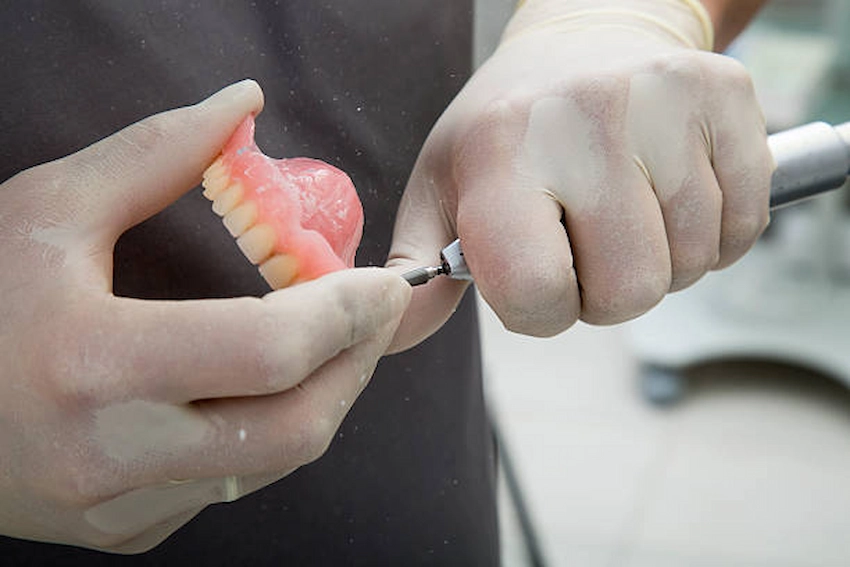
Denture adhesive relies in major part on zinc to secure the teeth in place and create the perfect glue bond. Patients who find their denture becoming looser quite often will naturally tend to use more of the paste to get their denture to stay on, and that results in their consuming much more zinc than they intended.
This behavior change can indeed have its own health implications.
We have seen that consistently high, uninterrupted levels of zinc can disturb your mineral balance by taking away the trace amount of copper your body holds, and this deficiency may result in some of these symptoms:
- An unending, undiagnosed, and puzzling feeling of being nauseous.
- Stomach pain that happens repeatedly.
- A foul taste that is metallic in your mouth.
Why Your Jawbone Needs Support
One of the doctors at Lema Dental Clinic usually refers to the use of denture paste as a ‘Band-Aid’ over a more serious problem. The resorption of the jaws takes place as soon as you lose the teeth, and it just gets worse day by day.
You probably know that a building will not hold well if its base is worn out. Your jawbone is no exception; the denture is supported there, and the jawbone is being lost.
Adding denture adhesive is the same as patching up and not tackling the cause itself. It is, in fact, the bone support and not the adhesive that your dentist, Dr. Polen Akkılıç, believes needs to be addressed if chewing efficiency and oral hygiene are to be restored.
Choosing Wisely
| Feature | Traditional Dentures | Fixed Implants |
| Supporting Power | Relies on adhesive paste | Solid anchorage on the jawbone |
| Bone Resorption | Rate of resorption is enhanced | Bone mass is conserved |
| Gut Health | Risk of chronic zinc ingestion | Zero consumption risk |
| Daily Utility | Requires daily maintenance | Feels and functions like natural teeth |
A Change Of Heart, Perhaps
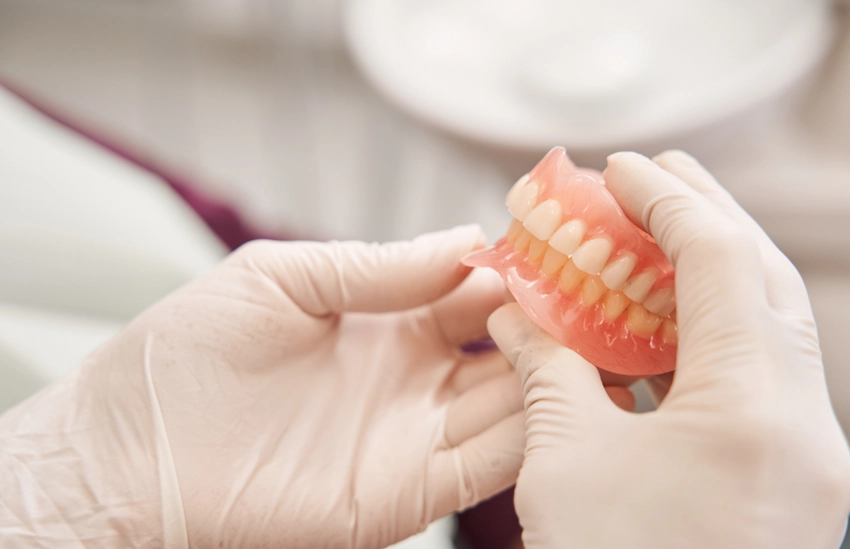
The big dilemma today is whether it’s time for a change? Tooth implant technology today, such as the All-on-4 or the All-on-6 options, provides a permanent and totally stable solution.
Direct fixation of the new prosthetic teeth on the bone will not only achieve a perfect occlusion but also allow you to completely eliminate adhesive use. Three main gains are achieved with the method:
- Adhesive Elimination: You are liberated from the use of messy or adhesive materials.
- Safety: The chronic ingestion of zinc is entirely removed from your risk profile.
- Function: Your capability to chew your food properly is completely restored, and the feeling is similar or close to natural biting/digestive function.
Frequently Asked Questions
Is all denture adhesive dangerous?
Only at levels beyond normal safety requirements, which may come about through overuse due to loose and uncomfortable dentures. Otherwise it is only a very modest danger.
What are the signs that a denture is not fitting anymore?
When more than a few little specks of denture adhesive paste are being used each time and when the paste needs to be re-applied during the time you are wearing dentures, this is an indication that your set of dentures no longer corresponds to your anatomy.
If I think I am experiencing side effects caused by excessive zinc, what shall I do?
Mention all this to the doctor so that they will do the necessary tests; meanwhile, you will stop using any adhesive.
Does switching over to implants involve pain?
The sedation techniques available at the clinic here in Istanbul help patients feel very relaxed throughout the transition, so you can expect quite a bit of relief even though a few people find it a little painful to start the recovery stage.
How quick is the entire treatment?
Thanks to our digital tools, the planning and execution periods for the majority of patients have become very efficient and quick, even though the treatment plan will vary according to the individual. We believe at Lema Dental Clinic that it is important to take care of your health in a long-term way rather than just to offer temporary solutions. Please contact us if you want to take back your comfort, safety, and confidence – our team is always here to assist you.
Academic References
- Hedberg, M., et al. (2012). Zinc toxicity from denture adhesive use: A case report. Journal of Prosthetic Dentistry.
- Nallanchakravarthula, V., et al. (2015). Neurological and hematological complications of excessive denture adhesive use. International Journal of Clinical Dental Science.
- Frank, B. P., et al. (2011). The impact of denture adhesives on the retention and stability of complete dentures. Journal of Oral Rehabilitation.
- Müller, F., et al. (2017). Management of bone resorption in the edentulous patient. International Journal of Implant Dentistry.
- Zitzmann, N. U., et al. (2019). Long-term outcomes of implant-supported fixed dental prostheses. Journal of Periodontology.

