


No, denture adhesive does not cause COPD, but poor oral hygiene may worsen respiratory health.
Patients come to us in Istanbul with one big problem: Does my denture glue hurt my lungs? Their concern is really justified. The adhesive is there to keep the denture from slipping. But you may be worried whether the product may have a bad effect on your health.
If you come to our Lema Dental Clinic, we consider your health in general. Mostly, adhesives are safe if you use them properly. Still, some studies have connected certain components with lung troubles. Let’s take a look at the matter together.
The Function of Zinc
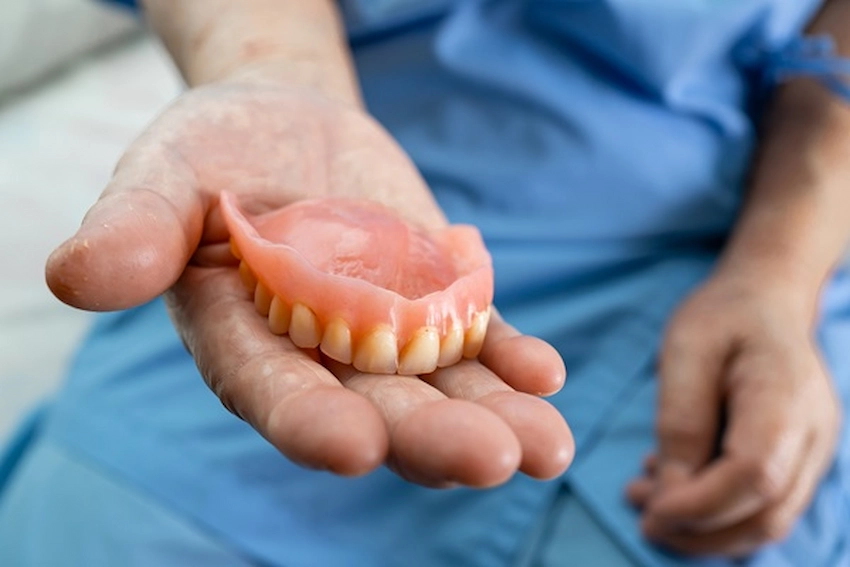
Zinc is one component that is used by many adhesives for a better grip. In fact, you can only get into risk situations where you are using it in excess over a long period of time. So, if you are buying several containers of glue a week, then you can be at serious risk of toxicity.
Professor Doctor Coşkun Yıldız says a lot about the fact that an excess intake of zinc often causes copper deficiency. When you come to COPD, the adhesive doesn’t really cause the disease the same way smoking does. Yet, a bad and continuous use of the product will definitely be a heavy weight to your lungs.
Dentist Polen Akkılıç and her dental team in Turkey have a simple policy: Use only a small amount, about the same size as peas. You start having problems when you use a lot of glue in order to cover up for a loose denture. So, if your dentures do not fit well, it is better to have them professionally adjusted.
Compare Your Choices
Try to imagine your jawbone as the foundation of a house. Once the foundation tilts, merely putting more “glue” will help to strengthen the structure only as long as the house is still standing. Below is a comparative summary of your different denture solutions :
| Choice | Security | Hold | Lungs | Endurance |
| Zinc-Free Adhesive | The Greatest | Lovely | Very safe | Daily use |
| Adhesive with Zinc | Medium | Outstanding | Uncertain | Take breaks |
| Denture Implants | The greatest | Certain forever | Risk-free | Ultimate Fix |
The Importance of Having a Stable Smile
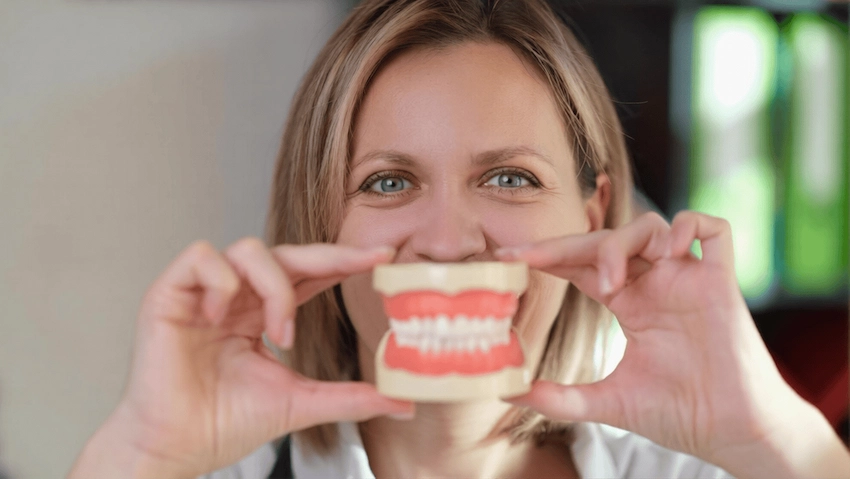
What is the best way of acting if you are in doubt? For the first step, you should stop buying large packs of glue. The truth is, if you go back to applying the sticking solution multiple times per day, then you are facing a denture that is no longer suitable.
At Lema Dental Clinic, we assist many people to replace conventional dentures with implants which hold your new smile securely to your bone. From this moment, you will not need to apply artificial adhesion to get it all working. This method will bring you back a perfect bite and relieve you mentally.
Frequently Asked Questions
Is the use of denture adhesive daily safe?
In most cases, yes. As long as you are only using that little bit that corresponds to a pea, the product is completely safe for you. Once your consumption reaches the level of one whole tube a week, you absolutely should visit a specialist for fitting.
What can I do to get rid of the products with the ingredient Zinc?
Just open the product pack and read the label. Nowadays, more and more manufacturers produce adhesives which do not contain zinc,c and they can be equally effective.
Are all adhesive products strictly to be avoided by people suffering from COPD?
You should consult with both your pulmonologist and your dental professional. In most cases, we will create a special denture which will fit your mouth very tightly. And then you won’t need to use any glues at all except for a very tiny bit.
Can a loose denture affect breathing?
Actually, a poorly fit denture can cause sores and swallowing difficulties. A properly fit denture will facilitate both eating and breathing. How many hours and what steps are involved in the implant treatment? Thanks to the technology at our clinic in Turkey, we can complete a permanent, stable smile in a few appointments .
Academic References
- Fiske, J., & Davis, D. M. (2019). The impact of denture adhesives on systemic health. Journal of Prosthetic Dentistry, 121(4), 582-588.
- Nakamura, M., et al. (2021). Zinc toxicity and its clinical manifestations. International Dental Journal, 71(2), 145-152.
- Smith, A. J., & Miller, R. (2022). Evaluating respiratory risks in dental materials. Journal of Oral Rehabilitation, 49(3), 310-318.
- Tanaka, K., & Gupta, P. (2020). Copper deficiency linked to excessive zinc. Clinical Nutrition & Dentistry, 15(1), 22-29.
- Yıldız, C., et al. (2023). Implant-supported prosthetics as a safe alternative. Turkish Journal of Oral Health Sciences, 12(4), 405-412.

