

Haftmittel für Teilprothesen? Klinische Wahrheit.
Ja, Haftmittel für Zahnprothesen kann für Teilprothesen verwendet werden, aber ein richtiger Sitz ist immer wichtiger.
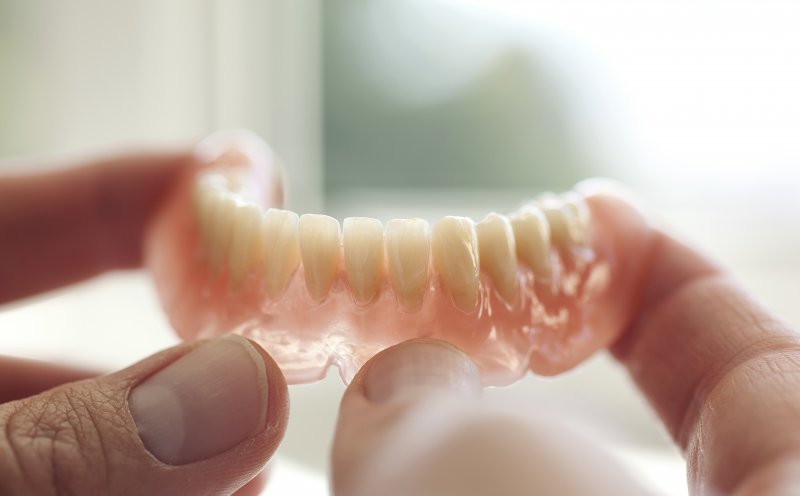
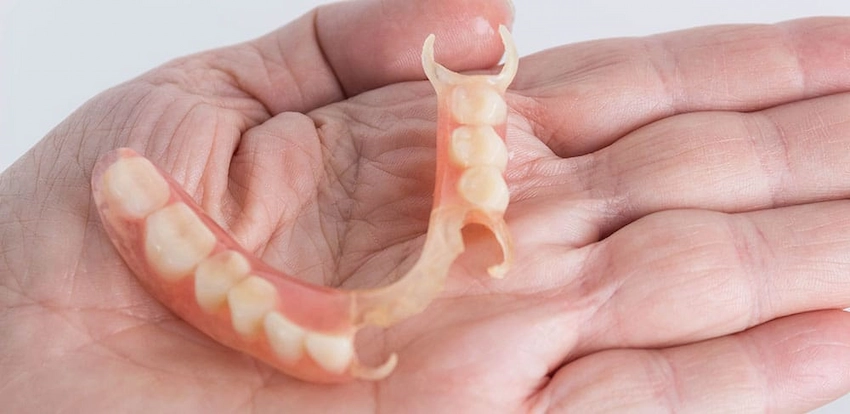
Diese Art von Frage taucht fast ausnahmslos in Zahnarztpraxen auf. Sie haben eine herausnehmbare Teilprothese, aber sie löst sich immer wieder, wenn Sie sprechen oder essen. Und jetzt starren Sie auf eine Tube Haftmittel für Zahnprothesen in der Drogerie und denken: „Ist das eine sichere Lösung für das Problem?“ Sie können technisch gesehen Haftmittel für Zahnprothesen für Teilprothesen verwenden. Es ist jedoch eher so, als würde man ein Pflaster verwenden, um ein wirklich großes zugrunde liegendes Problem zu verdecken. Metall- oder Acrylklammern sollten die Hauptstütze einer gut sitzenden Teilprothese sein, indem sie an Ihren vorhandenen natürlichen Zähnen befestigt werden. Eine chemische Paste sollte dafür nicht notwendig sein. Dennoch wollen wir etwas genauer darüber nachdenken, warum Ihre Teilprothese rutscht, was zu tun ist, wenn Sie Haftmittel sicher verwenden möchten, auch wenn dies nicht die richtige Langzeitlösung ist, und welche tatsächlichen Aussichten Ihr Lächeln hat.Gründe für das Verrutschen Ihrer Teilprothese
Welche Rolle spielen Haftmittel (und die versteckten Gefahren)
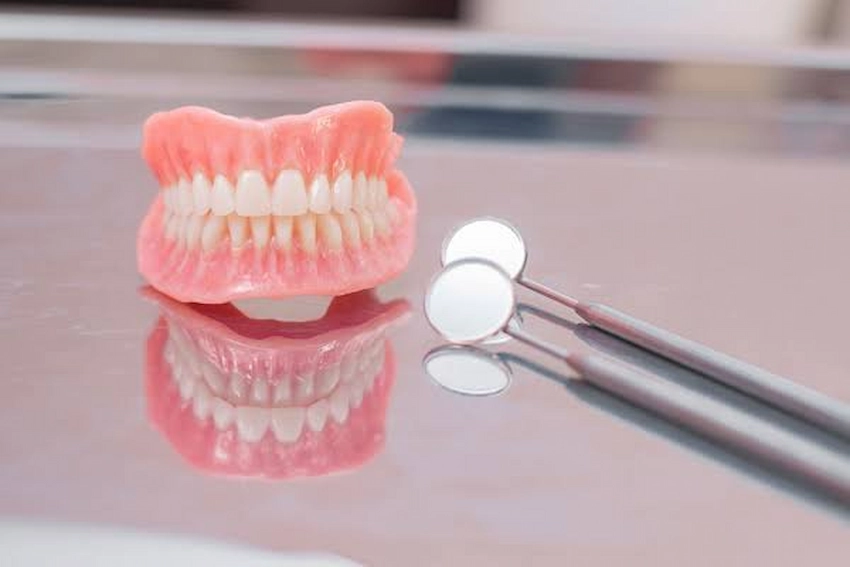
Wenn Sie noch auf eine neue Passform warten oder dauerhaftere Optionen in Betracht ziehen, benötigen Sie möglicherweise eine temporäre Lösung, um Ihre Prothesen an Ort und Stelle zu halten. Eine winzige Menge Haftmittel auf den rosafarbenen Teil der Prothese, der an Ihrem Zahnfleisch anliegt, ist völlig sicher. Dennoch ist es nicht ungewöhnlich, dass wir Patienten finden, die eine große Menge der Paste verwenden. Einige tragen sie auf die Klammern, die Zähne und sogar die Innenseiten des Mundes auf. Dieses Verhalten führt zu einem sehr unorganisierten Umfeld, in dem sich Bakterien vermehren können. Darüber hinaus birgt es auch ein sehr ernstes Gesundheitsrisiko. Fast alle Haftmittel für Zahnprothesen, die Sie selbst in Geschäften finden, enthalten Zink, um ihren Halt zu verbessern. Wenn Sie viel Paste verwenden, nur um die von Ihnen verwendeten Prothesen zu fixieren, könnten Sie schädliche Dosen Zink schlucken. Langfristig kann viel Zink sehr ernste Nervenstörungen, Taubheitsgefühle und einen sehr gefährlichen Kupfermangel verursachen.Der Paradigmenwechsel: Jenseits der Paste
Abwägung der Alternativen: Haftmittel vs. Implantate
Die abschließende Frage ist also: Lohnt sich dieser ständige Kampf wirklich? Sprechen wir über die Abhängigkeit von Haftmittel im Vergleich zum Umstieg auf eine implantatgetragene Lösung.| Merkmal | Teilprothese + Haftmittel | Implantatgetragene Zirkonbrücke |
| Bisskraft | ~20-30% der natürlichen Stärke | ~90-100% der natürlichen Stärke |
| Knochengesundheit | Beschleunigt den Knochenabbau | Stimuliert und erhält den Kieferknochen |
| Tägliche Routine | Erfordert Entfernung, Reinigung und erneutes Kleben | Bürsten und Zahnseide wie bei natürlichen Zähnen |
| Gesundheitsrisiken | Potenzielle Zinktoxizität, Zahnfleischreizung | Sicheres, biokompatibles Titan |
| Langlebigkeit | Muss alle 3-5 Jahre ersetzt/unterfüttert werden | Entwickelt, um ein Leben lang zu halten |
Häufig gestellte Fragen
Referenzen
- Carlsson, G. E. (2014). Responses of the jawbone to changing functional forces. Clinical Implant Dentistry and Related Research, 16(4), 481-490.
- Felton, D. A. (2016). Edentulism and comorbid factors. Journal of Prosthodontics, 25(S1), 4-13.
- Misch, C. E. (2014). Dental Implant Prosthetics (2nd ed.). Elsevier Mosby.
- Nogueira, T. E., et al. (2019). Zinc in denture adhesives and the risk of neurological disease: A systematic review. The Journal of Prosthetic Dentistry, 121(4), 565-572.
- Zarb, G. A., & Hobkirk, J. A. (2012). Prosthodontic Treatment for Edentulous Patients: Complete Dentures and Implant-Supported Prostheses (13th ed.). C.V. Mosby Co.
Häufige Fragen
Where exactly do I put the adhesive on a partial?
You should apply it only to the pink acrylic base that rests directly on your gums, and these should be three small, pea-sized dots. You must never put adhesive on the metal clasps because, first, this would stop them from properly holding your natural teeth and, second, it would make the denture very difficult to clean.
How do I get the sticky residue off my gums and natural teeth?
Be sure to brush gently with a soft-bristled toothbrush and warm water. If the sticky residue is very difficult to get off, a warm saltwater rinse will also help loosen the adhesive bonds. Under no condition should you try to use sharp tools for scraping your gums, as these will cause very small, invisible cuts and eventually infections.
Is it normal for my partial to suddenly feel loose after years of fitting perfectly?
Yes, this can be considered normal to some degree, but also it is a very clear warning that your jawbone has shrunk beneath the denture. Anything that will be applied here,e such as adhesives, is only going to camouflage the symptoms, and the real problem of bone loss will remain. You should talk to a professional for a reline or even implantation alternatives.
Can zinc-free adhesives solve the toxicity problem?
Using zinc-free products is a remarkable step towards avoiding heavy metal toxicity; however, it does not really address the underlying problem. You see, a partial denture that does not fit properly and keeps rubbing against the gum tissue is still going to result in bone loss,s and the remaining anchor teeth can also be damaged.
I want to transition to implants in Turkey. How long does the process take?
Right from the beginning at Lema Dental Clinic, we keep the surgical part as simple and unproblematic as possible. Based on your bone structure alone, it is likely that we will not only surgically place the implants but also provisionally fix the prosthesis within a few days. Adhesive dentures will stay on the shelf for you from that moment.