


Schadet Prothesenhaftmittel Zahnimplantaten? Die versteckten Risiken
Übergewicht kann orale Gesundheitsrisiken wie Zahnfleischerkrankungen, Entzündungen, Mundtrockenheit und Karies erhöhen.
Viele Patienten entscheiden sich für Zahnimplantate, nachdem sie zuvor Prothesen getragen haben. Dann kommen sie mit einer scheinbar trivialen Frage in unsere Klinik: „Kann ich Zahnkleber nur für zusätzlichen Komfort weiterhin verwenden?“ Wir verstehen dieses Gefühl. Wenn Sie jahrelang Haftmittel verwendet haben, ist es nicht einfach, darauf zu verzichten. Tatsächlich ist das Gegenteil der Fall. Wir sind fest davon überzeugt, in der Lema Zahnklinik hier in der Türkei, dass die Kombination von Prothesenkleber mit Zahnimplantaten eine schlechte Mischung ist, die große Probleme mit sich bringt.Superkleber in einer Uhr: Die gleiche Analogie
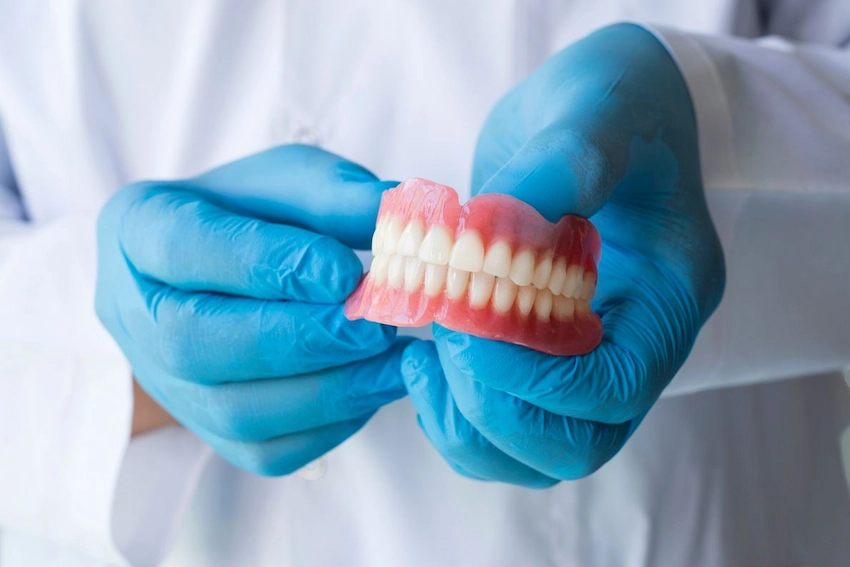
Gesundheitliche Auswirkungen: Zahnärzte warnen, dass Kleber und Implantate niemals eine gute Kombination sein werden!
Professor Doktor Coşkun Yıldız hebt häufig einen entscheidenden Aspekt der Zahnimplantation hervor. Das implantattragende Zahnfleisch ist genauso wichtig wie die darunter liegende Knochenstruktur. Tatsächlich ist es der Weichgewebeteil. Es fungiert als dichte Barriereschicht zwischen Ihrem Kieferknochen und den schädlichen Mikroben aus dem Mund. Die Verwendung von Prothesenhaftmittel führt zu einer Reihe unerwünschter Ereignisse:- Schlechte Bakterienkolonien: Die Tatsache, dass Prothesenkleber sehr stark haftet, bedeutet, dass er sowohl an Ihrem Zahnfleisch als auch an Speiseresten und Mikroben kleben bleibt.
- Zahnfleischabrieb: Wenn Sie versuchen, Kleberreste mit einer Bürste zu entfernen, üben Sie wahrscheinlich zu viel Druck aus. Sie verletzen dabei Ihr empfindliches Zahnfleischgewebe und verursachen kleine Wunden.
- Knochenschäden: Die Bakterien und der ständige Kontakt von Zunge und Lippen mit dem Implantat führen zu einer ernsthaften Zahnfleischentzündung, die als Periimplantitis bekannt ist. Sie greift schließlich Ihren Kieferknochen an und führt dazu, dass Implantate herausfallen.
Ein Vergleich, der Ihnen die Wahrheit sagt
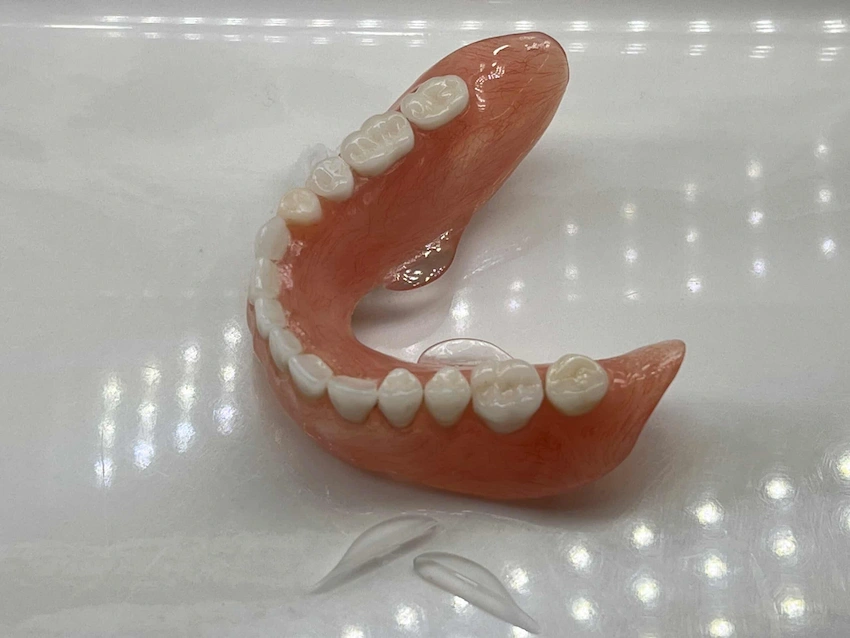
| Merkmale | Prothesen mit Haftmittel befestigen | Implantatgetragene Prothesen (Kleberfreie Prothesen) |
| Halt | Sie bleiben hauptsächlich durch Saugkraft und chemisch klebrige Pasten an Ort und Stelle. | Sie sind dauerhaft und sicher an stabilen Titanankern befestigt. |
| Zahnfleischzustand | Häufige Verwendung solcher Haftmittel führt zu Gewebeschäden und bakterieller Kontamination. | Abgesehen davon, dass sie ästhetisch ansprechend sind, fördern saubere Titanteile gesunde Zahnfleischabschlüsse. |
| Pflege | Das Entfernen und erneute Auftragen der chemischen Produkte ist täglich unvermeidlich. | Es ist nur das einfache Zähneputzen und die Verwendung von Zahnseide. |
| Biss | Sie werden aufgrund dieser Kaumethode eine sehr eingeschränkte Bissfähigkeit erfahren. Dies ist ein großes Problem, wenn Sie kein Implantat verwenden! | Es bietet das natürlichste Kaugefühl, das Sie sich vorstellen können. |
FAQ (Häufig gestellte Fragen)
Wissenschaftliche Referenzen
- Adell, R., Lekholm, U., Rockler, B., & Brånemark, P. I. (1981). A 15-year study of osseointegrated implants in the treatment of the edentulous jaw. International Journal of Oral Surgery, 10(6), 387-416.
- Lindhe, J., & Meyle, J. (2008). Peri-implant diseases: Consensus Report of the Sixth European Workshop on Periodontology. Journal of Clinical Periodontology, 35(8 Suppl), 282-285.
- Misch, C. E. (2014). Dental Implant Prosthetics (2nd ed.). Elsevier Mosby.
- Zitzmann, N. U., & Berglundh, T. (2008). Definition and prevalence of peri-implant diseases. Journal of Clinical Periodontology, 35(8 Suppl), 286-291.
- Goodacre, C. J., Bernal, G., Rungcharassaeng, K., & Kan, J. Y. (2003). Clinical complications with implants and implant prostheses. The Journal of Prosthetic Dentistry, 90(2), 121-132.
Häufige Fragen
Doctor, my implant denture is a bit loose, can I just put one drop of glue?
It shouldn't be the fix. When you're using glue, your only goal is actually to hide the real problem underneath, but then it is still harmful since it gives bacteria access to it. It would be advisable if you call our professional team so we would be able to get it sorted out very swiftly in just a ten-minute session.
Is there a kind of denture adhesive that is safe for dental implants?
There really are no kinds of denture adhesive that are "safe" to be used with dental implants. Actually, the truth is that it's a matter of principle that the use of adhesives is discouraged and should in no way be practiced. They leave behind their remnants, which serve as a food source for the bacteria and therefore create a favorable environment for their growth and spread.
Can I use adhesive for my upper dentures since the lower ones are implants?
Of course, you can since your upper jaw has no implants at all. It is resting on the hard tissue inside, so a small amount of adhesive would be just fine to hold it. However, please bear in mind that it will be very dangerous to a tooth to put glue on a lower implant.
How do I clean my implants if I cannot use glue removers?
Great question. You won't need glue-removing products anymore. The best cleaning regimen is simple and consists of a gentle brush with soft hair and regular mouthwash. If available, use a water flossing unit since it washes away trapped food without damaging the delicate titanium surfaces.
Why do the patients choose this clinic for their dental implant needs?
Patients come to us in Turkey for a good reason. We are a combination of highly skilled surgeons and a great sense of aesthetics. We place your implants in the very best way so that you won't be thinking about using denture glue at all.