


متى يمكنني شرب المشروبات الغازية بعد خلع ضرس العقل؟
اشرب المشروبات الغازية بعد 7-10 أيام، أو عندما يقر طبيب أسنانك أن الشفاء آمن.
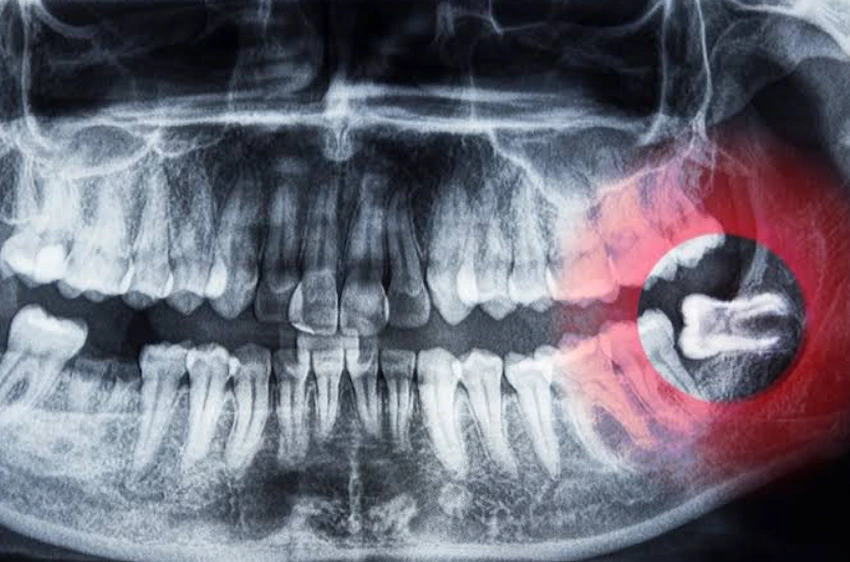
هذا مصدر قلق شائع. قد ترغب في شيء يؤنسك بعد علاج قناة الجذر أو خلع الأسنان. يفضل الأغلبية غالبًا مشروبًا باردًا ومنعشًا ومشروبًا غازيًا. ولكن كن حذرًا قبل أن تتناول تلك الرشفة الأولى. فإن أسنانك الجديدة التي تلتئم ستشكرك لاحقًا. على مدار سنوات عديدة من العمليات الجراحية للأسنان في تركيا، رأينا أنه نادرًا ما يكون سوء النظافة الفموية هو ما يسبب تأخير الشفاء، بل إعادة إدخال الأطعمة الصلبة والليفية بسرعة. لقد خضعت لعملية جراحية، والآن أنت في مرحلة الشفاء. ستؤثر التغييرات الغذائية على كل من موقع الجراحة ونظامك بأكمله. أثناء العملية، يتكون سنخ فارغ، وبعد الجراحة، تبدأ عملية الشفاء بجلطة دموية، تتشكل أولاً في السنخ.الجلطة الدموية كضمادة لجسمك

الجدول الزمني: متى تكون المشروبات الغازية آمنة لي؟
إن عملية شفاء فمك هي التي تحدد خياراتك الغذائية، لذا من الأفضل أن تعدل اختياراتك إذا كنت ترغب في منع المضاعفات. ومع ذلك، متى بالضبط يجب اعتبار شرب المشروبات الغازية آمنًا؟ يُنصح المرضى بالانتظار حوالي 5 إلى 7 أيام. وحتى في ذلك الحين، يجب تناول المشروبات الغازية بحذر شديد.| مرحلة الشفاء | مشروب آمن | غير مسموح به تحت أي ظرف | السبب |
| الأيام 1-2 | ماء عادي، مرقة صافية | المشروبات الغازية، القهوة الساخنة، الكحول، المصاصات. | من المحتمل جدًا أن تكون الجلطة الدموية قد تشكلت للتو، وبالتالي فهي ضعيفة جدًا. |
| الأيام 3-4 | شاي بارد، حليب، عصير تفاح. | المشروبات الغازية، عصير الليمون، المشروبات الساخنة. | لا تزال اللثة حساسة للكربنة والأحماض القوية. |
| الأيام 5-7 | قهوة مثلجة، عصائر سميكة. | الشرب باستخدام المصاصة | اللثة تغلق فوق العظم. أنت أكثر أمانًا بكثير في هذه المرحلة. |
| بعد اليوم 7 | المشروبات الغازية و/أو المياه الفوارة | المصاصات الثقيلة (انتظر 14 يومًا). | الجرح قوي بما يكفي للفقاعات الخفيفة. |
مشاكل السكر والحمض
سؤال المريض وإجابة الطبيب
المراجع الأكاديمية
- Bowe, D. C., Rogers, S., & Stassen, L. F. (2011). The management of dry socket/alveolar osteitis. Journal of the Irish Dental Association, 57(6), 305-310.
- Blum, I. R. (2002). Contemporary views on dry socket (alveolar osteitis): a clinical appraisal of standardization, aetiopathogenesis and management: a critical review. International Journal of Oral and Maxillofacial Surgery, 31(3), 309-317.
- Hupp, J. R., Ellis, E., & Tucker, M. R. (2013). Contemporary oral and maxillofacial surgery (6th ed.). Elsevier Mosby.
- Kolenbrander, P. E., Palmer, R. J., Periasamy, S., & Jakubovics, N. S. (2010). Oral multispecies biofilm development and the key role of cell–cell distance. Nature Reviews Microbiology, 8(7), 471-480.
- Nitzan, D. W. (1983). On the genesis of "dry socket". Journal of Oral and Maxillofacial Surgery, 41(11), 706-710.
الأسئلة الشائعة
Can I use a straw to drink soda at least 5 days after the day of the operation?
No, absolutely not. By day five, your teeth and jaw may have gotten accustomed to the level of bubbles. However, straws are still potentially damaging. In fact, suction through a straw is so strong that it could dislodge a blood clot from the jaw tissue. So, we recommend that you refrain from using any form of straw unless at least two weeks have passed.
What happens if I drank a small amount of soda two days post-op?
You need not worry at this point; even one sip of a soda is probably enough to spoil your blood clot. Just resume drinking water right after, and contact the dental office if your jaw throbs for a day or so.
Is diet soda safer to consume than a regular one?
No. It is the fizzy element that counts as the real culprit here. That is why diet sodas are no safer than regular ones, as they are also carbonated and acidic. Either way, it is necessary to wait at least 5 days.
Could the brown color of the cola dye my healing gum tissue?
Although a dark soda won’t be able to stain your healing gums, it can cover areas of minor bleeding. So if you are wondering if you are still bleeding, you should choose transparent beverages for the time being.
How will I know if the bubbly soda messed up my blood clot?
It will physically let you know. A dry socket is a very severe kind of pain and is felt deep into the affected area. It is often felt to radiate to either the ear or the temple. Usually it appears on the third day following the operation and the usual painkillers will not provide relief. The solution, in such a situation, will be to visit one of our dental practitioners to apply a special pain-relieving medication.