


Dental codes are essential elements in dental practices, helping to simplify identification and tracking systems for procedures performed, alongside proper billing and insurance claim documentation. Among several dental codes, D4921 represents a very specific unit of periodontal treatments, particularly related to the fundamental aspects of maintaining the periodontium: tartar removal and root planing. This article highlights the importance of the D4921 dental code, discusses its use, and emphasizes the importance of correct application in the dental industry.
What is D4921?
D4921 is the dental procedure code that specifically indicates treatment of periodontal disease through tartar removal and root planing, as part of periodontal maintenance. The method is necessary to reverse gum disease, involving thorough cleaning beneath the gum line to eliminate the buildup of plaque, , and bacteria. It is a non-invasive procedure aimed at maintaining healthy gums and teeth, thereby preventing further progression of periodontal disease. Generally, this treatment is for patients who have already undergone more complex periodontal procedures.
The removal of tartar and root planing are procedures during which hard deposits and bacteria covering the roots of teeth are removed. The process not only cleans the teeth but also leaves the surfaces smooth to facilitate gum reattachment and reduce infection risk. The treatment is essential for patients with moderate to severe periodontitis to prevent tooth loss. Dr. Polen Akkılıç and her team at Clínica Dental Lema recommend this treatment as part of a comprehensive plan to achieve optimal dental health.
When is dental code D4921 used?

The dental code D4921 is indicated when tartar removal and root planing are performed for periodontal maintenance. This treatment is often suggested for patients who have tested positive for periodontal disease and require ongoing care to regulate their condition. Dental infections or gum inflammations are prevented through maintenance visits where this code is frequently applied. Regular use of D4921 helps treat conditions like periodontitis and gingivitis, thus improving overall gum health and preventing new complications.
D4921 is very useful for patients who have already received periodontal treatment and now need periodic cleanings to maintain gum health. It is not a one-time event but part of a long-term maintenance plan. For individuals with chronic periodontal issues, using D4921 allows dentists to monitor gum health and quickly address any underlying problems.
What are the benefits of using dental code D4921?
One of the main advantages of D4921 is its ability to serve as a foundation for periodontal health over an extended period. Regularly performing this procedure ensures that any plaque or calculus accumulated beneath the gum line is thoroughly removed, preventing bacterial infections and gum inflammation. This process is a key factor in preventing gum disease, which can lead to tooth loss if ignored.
Another benefit is the improvement in gum reattachment and tissue regeneration. In addition to cleaning the teeth, tartar removal and root planing promote healing of the gum tissues, facilitating their attachment to the tooth roots. Once completed, overall gum health improves, gums look better, and teeth become more stable. Early application of the dental code D4921 can help avoid the need for more invasive dental treatments in the future.
Warnings and precautions about dental code D4921
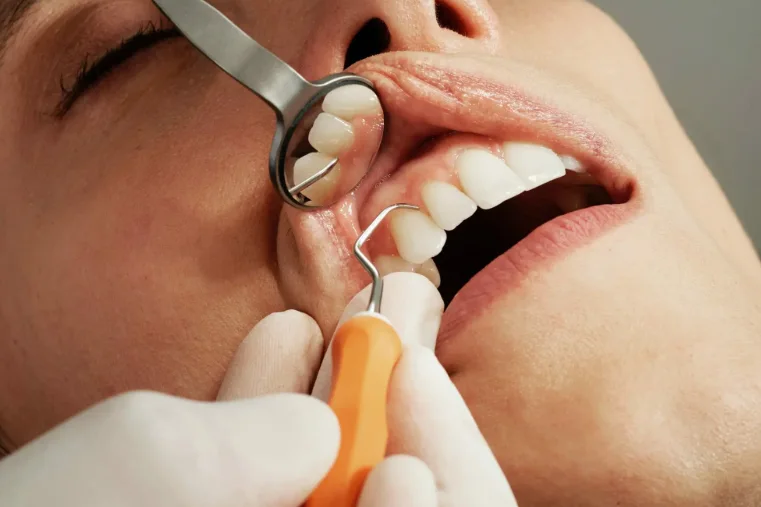
Although the dental code D4921 is one of the most effective and widely recognized corrections for periodontal disorders, some precautions are recommended. Primarily, only a trained dental professional should perform the procedure to indirectly eliminate the risk of injury to gum tissues. Likewise, the dentist should assess whether a patient is truly suitable for this procedure, as certain medical conditions may increase the risk of complications.
People with conditions such as uncontrolled diabetes, bleeding disorders, or other serious health issues may need additional precautions or treatment plan modifications. In such cases, Dr. Polen Akkılıç and her team may suggest a more individualized approach or consult with other specialists to ensure patient safety during the procedure. Ensuring the treatment is performed correctly is crucial for achieving desired effects without additional problems.
When should you avoid using D4921, and what should you use instead?
D4921 should be avoided in situations where the patient’s health is severely compromised, making the procedure impossible to perform—for example, in cases of active infections, uncontrolled chronic conditions, or allergies to materials commonly used during the intervention. For such patients, an alternative therapeutic approach with contraindications should be sought.
Sometimes, doctors may decide that starting with less invasive treatments, such as antimicrobial therapy or antibiotics, is best to control infection before tartar removal and root planing. Additionally, for individuals with very mild gum issues, less aggressive treatments like regular cleanings may be more appropriate. The treatment choice should be made collaboratively with the dentist.
| Category | Details |
|---|---|
| Procedure code | D4921 |
| Procedure name | Tartar removal and root planing for periodontal maintenance |
| Indications | Used for ongoing treatment of periodontal disease, especially in patients requiring maintenance after initial therapy. |
| Benefits | Removes plaque and calculus below the gum line, promotes gum healing, prevents disease progression, and aids in gum reattachment. |
| Risks and precautions | Should be avoided in patients with serious health conditions such as uncontrolled diabetes, bleeding disorders, or severe infections. |
| Frequency | Typically performed every 3-6 months during follow-up visits, depending on severity of periodontal disease and oral health. |
| Alternatives | For contraindicated patients, antimicrobial treatments or other periodontal therapies may be considered. |
| Recovery time | Recovery usually takes a few weeks, with most patients noticing gum health improvements within 1-2 months. |
| Insurance coverage | Often covered by dental insurance as part of periodontal care, but coverage varies per plan. |
Case Study for D4921
A recent case at Clínica Dental Lema involved a patient who, after completing initial periodontal therapy, was referred to the clinic for regular maintenance with D4921. The patient, a 45-year-old woman, had been diagnosed with mild to moderate periodontitis, and the condition was well controlled through tartar removal and root planing. After the procedure, her gum inflammation decreased, and no signs of subsequent infection were observed. Over the course of a year, regular follow-up visits using the dental code D4921 played a crucial role in her oral care; periodontal disease remained under control, and damage to her gums and teeth was halted.
This example demonstrates that the periodic use of D4921 can serve as a powerful tool to manage and maintain oral health over the long term. Following a treatment plan that includes tartar removal and root planing helps ensure gums stay healthy and protected from infections, ultimately leading to a better quality of life and fewer dental problems.
References
- American Dental Association (ADA). (2020). The ADA Practical Guide to Dental Coding (7th ed.). American Dental Association.
- American Academy of Periodontology. (2019). Scaling and root planing: A key treatment for periodontal disease. Journal of Periodontology, 90(8), 837-845. https://doi.org/10.1002/JPER.19-0092
- Polen Akkılıç, D. (2021). Periodontal treatment and maintenance: Clinical practices and strategies. Publications of Clínica Dental Lema.
- Yıldız, C. (2020). Management of periodontal disease: Evidence-based guidelines for treatment and maintenance. Publications of Clínica Dental Lema.
- U.S. National Library of Medicine. (2021). Scaling and root planing: Procedure, indications, and aftercare. MedlinePlus. https://www.medlineplus.gov
Frequently Asked Questions about Dental Code D4921: Benefits, Uses, and Considerations
D4921 is used for tartar removal and root planing procedures during periodontal maintenance, mainly for patients with gum disease. It helps eliminate plaque and bacteria beneath the gum line to promote healthy gums and teeth.
D4921 is used during maintenance visits for patients who have previously undergone periodontal treatment. It is indicated to prevent disease progression and maintain overall oral health.
The procedure may carry risks, especially for patients with uncontrolled health conditions such as diabetes or bleeding disorders. Consulting a dentist is important to ensure the procedure is appropriate for the patient’s health status.
D4921 is typically performed during follow-up appointments scheduled every three to six months, depending on the severity of the gum disease and the patient’s oral health. Regular use helps maintain optimal gum health and prevents disease progression.
The main benefits include removing harmful plaque and calculus beneath the gums, reducing infection risks. It also promotes gum reattachment and overall healing, improving gum health and stability.
While D4921 is effective in most periodontal cases, it should be avoided in patients with certain health conditions such as uncontrolled diabetes or severe gum disease. A dentist can recommend alternative treatments for such cases.
If you have severe gum disease, your dentist may recommend more intensive treatments before using D4921, such as surgery or antibiotics. A personalized approach will be discussed to ensure your safety and health.

